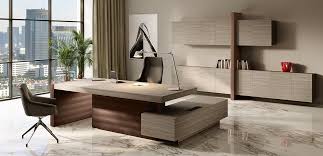
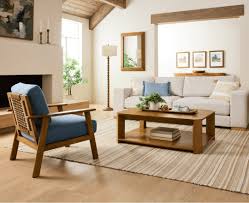
Home furniture refers to a wide range of functional and decorative items designed for use in residential living spaces. It includes essential household pieces such as beds, sofas, tables, chairs, wardrobes, cabinets, shelves, and dining sets. Home furniture plays a central role in shaping comfort, functionality, and interior aesthetics within a house.
Beyond basic utility, home furniture reflects personal taste, lifestyle, and cultural influence. It transforms empty living spaces into comfortable, organized, and visually appealing environments. Modern home furniture is designed to balance durability, ergonomics, space optimization, and style, making homes more livable and welcoming.
Home furniture is produced using a variety of materials including solid wood, engineered wood, metal, glass, and upholstery fabrics, depending on design and functionality requirements.
Definition of Home Furniture
Home furniture refers to movable household items made from wood, metal, or other materials that are used to support daily living activities, provide comfort, and enhance interior spaces in residential environments.
Common wood materials used in home furniture include:
Tectona grandis Quercus robur Pinus radiata
These species are widely preferred due to their strength, beauty, and suitability for furniture manufacturing.
Types of Home Furniture
1. Living Room Furniture
Sofas and couches
Coffee tables
TV stands
Recliners and lounge chairs
2. Bedroom Furniture
Beds and bed frames
Wardrobes
Dressing tables
Nightstands
3. Dining Room Furniture
Dining tables
Dining chairs
Sideboards and cabinets
4. Kitchen Furniture
Kitchen cabinets
Storage shelves
Counter units
5. Storage Furniture
Wardrobes
Bookshelves
Storage cabinets
6. Outdoor Furniture
Garden chairs
Patio tables
Outdoor loungers
Physical Characteristics of Home Furniture
Home furniture typically features:
Strong structural design for daily use
Smooth and polished surfaces
Combination of wood, metal, and upholstery materials
Attractive decorative finishes
Ergonomic comfort for users
Variety of sizes and shapes for different spaces
Durable construction for long-term use
Each piece is designed to serve both functional and aesthetic purposes.
Manufacturing Process of Home Furniture
The production of home furniture involves several stages:
1. Design and Planning
Furniture designs are created based on functionality and interior trends.
2. Material Selection
Wood, MDF, plywood, metal, and fabrics are selected depending on furniture type.
3. Cutting and Shaping
Materials are cut into precise components for assembly.
4. Assembly
Parts are joined using screws, nails, adhesives, or joinery techniques.
5. Surface Finishing
Furniture is polished, painted, laminated, or upholstered.
6. Quality Inspection
Products are tested for strength, comfort, and durability.
7. Packaging
Finished furniture is packed for transport and delivery.
Home furniture is an essential component of residential living, providing comfort, organization, and aesthetic value in homes. Manufactured using high-quality materials such as Tectona grandis, Quercus robur, and Pinus radiata, it combines durability, functionality, and design versatility.
From bedrooms to living rooms and outdoor spaces, home furniture shapes the way people live, relax, and interact within their homes. As interior design trends continue to evolve, demand for stylish, ergonomic, and sustainable furniture continues to grow globally.
In essence, home furniture is not just household equipment—it is a vital part of modern living that enhances comfort, beauty, and functionality in everyday life.