Office furniture refers to a wide range of functional and ergonomic furnishings designed specifically for workplace environments such as offices, corporate buildings, co-working spaces, institutions, and home offices. It includes items such as desks, chairs, storage cabinets, workstations, conference tables, shelving units, and reception furniture.
The main purpose of office furniture is to create a productive, comfortable, and organized working environment that enhances efficiency, supports employee well-being, and improves workplace aesthetics. Modern office furniture combines functionality with ergonomic design, durability, and aesthetic appeal to meet the demands of contemporary work culture.
Office furniture is widely manufactured using wood, engineered boards, metal, plastic, and glass depending on design requirements, budget, and intended use.
Definition of Office Furniture
Office furniture refers to movable equipment and fixtures used in office environments to support work activities, storage, communication, and seating arrangements.
Common materials used in office furniture production include:
Tectona grandis Quercus robur Pinus radiata
These wood species are widely used due to their strength, availability, and suitability for engineered furniture production.
Types of Office Furniture
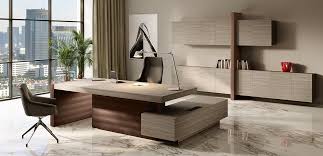
1. Office Desks
Work surfaces for computers, paperwork, and office tasks
Available in executive, modular, and ergonomic designs
2. Office Chairs
Designed for comfort and posture support
Includes ergonomic, swivel, and executive chairs
3. Workstations
Modular desk systems for multiple employees
Common in corporate environments and open offices
4. Filing Cabinets
Used for document storage and organization
Available in vertical and lateral designs
5. Conference Tables
Large tables for meetings and discussions
Designed for collaboration and communication
6. Reception Furniture
Includes reception desks and seating areas
Creates first impression for visitors
7. Storage Units and Shelving
Used for office supplies, files, and equipment
Physical Characteristics of Office Furniture
Office furniture typically features:
Strong and durable construction
Ergonomic design for comfort and health
Smooth and polished surfaces
Combination of wood, metal, and laminate materials
Modular and space-efficient designs
Scratch and wear resistance
Modern aesthetic finishes
These features ensure both functionality and visual appeal in workplace environments.
Manufacturing Process of Office Furniture
The production of office furniture involves several stages:
1. Material Selection
Wood, MDF, plywood, metal, and laminates are selected based on design requirements.
2. Cutting and Shaping
Materials are cut into required dimensions for desks, chairs, and storage units.
3. Assembly
Components are joined using screws, adhesives, or mechanical fittings.
4. Surface Finishing
Surfaces are laminated, painted, veneered, or polished.
5. Ergonomic Design Integration
Furniture is designed to support posture, comfort, and usability.
6. Hardware Installation
Handles, hinges, sliders, and adjustable components are installed.
7. Quality Inspection
Products are tested for strength, stability, and durability.
Tabulated Specification of Office Furniture
Specification
Details
Product Name
Office Furniture
Common Materials
Tectona grandis, Quercus robur, MDF, metal
Product Type
Workplace furnishing systems
Structure
Solid wood, engineered wood, metal frames
Surface Finish
Laminated, painted, veneered, polished
Durability
High (depending on material quality)
Ergonomics
Designed for posture and comfort
Main Components
Desks, chairs, cabinets, tables, storage units
Maintenance
Easy cleaning and periodic tightening
Moisture Resistance
Moderate to high (varies by material)
Applications
Offices, institutions, co-working spaces
Storage Conditions
Dry, indoor environments
Packaging
Flat-packed or assembled units
Traceability
Manufacturing and material sourcing records
Uses of Office Furniture
Office furniture is essential in various environments:
1. Corporate Offices
Used for:
Employee workstations
Executive offices
Meeting rooms
2. Educational Institutions
Used for:
Staff rooms
Administrative offices
Libraries
3. Healthcare Facilities
Used for:
Reception areas
Administrative offices
Consultation rooms
4. Government Offices
Used for:
Administrative desks
Filing systems
Conference rooms
5. Home Offices
Used for:
Study tables
Computer desks
Compact storage units
6. Commercial Spaces
Used for:
Retail back offices
Customer service areas
Advantages of Office Furniture
1. Improves Productivity
Creates organized and efficient work environments.
2. Ergonomic Comfort
Reduces fatigue and supports healthy posture.
3. Space Optimization
Modular designs maximize office space usage.
4. Professional Appearance
Enhances workplace aesthetics and brand image.
5. Durability
Built to withstand daily office use.
6. Customizable Designs
Can be tailored to specific office needs.
Economic Importance
Office furniture plays a key role in global industries by:
Supporting corporate infrastructure development
Driving demand in woodworking and manufacturing sectors
Creating employment in furniture production and design
Supporting real estate and commercial office expansion
Contributing to export of interior furnishing products
It is a major segment of the global furniture industry.
Environmental Considerations
Sustainable office furniture production includes:
Use of certified and plantation-grown timber
Recycling of wood-based materials
Use of low-emission adhesives and finishes
Reduction of waste through modular design
Integration of eco-friendly manufacturing practices
Modern office furniture increasingly supports green building standards.
Storage and Handling Guidelines
To maintain quality:
Store in dry, indoor environments
Avoid direct sunlight and moisture exposure
Handle carefully to prevent scratches and dents
Assemble according to manufacturer instructions
Regularly inspect and maintain fittings
Proper care ensures long-lasting performance.
Quality Control Standards
High-quality office furniture must meet:
Structural strength and stability tests
Ergonomic design standards
Surface finish durability checks
Load-bearing capacity requirements
Material safety and emission standards
Dimensional accuracy specifications
Conclusion
Office furniture is an essential component of modern workplaces, designed to improve productivity, comfort, and organization in professional environments. Manufactured using high-quality materials such as Tectona grandis, Quercus robur, and Pinus radiata, it combines durability, functionality, and aesthetic appeal.
From desks and chairs to storage systems and conference tables, office furniture plays a crucial role in shaping efficient and modern workspaces. As workplaces continue to evolve, demand for ergonomic, flexible, and sustainable furniture continues to grow globally.
In essence, office furniture is not just workplace equipment—it is a foundational element that enhances efficiency, comfort, and professional performance in modern working environments worldwide.