Inverters are electrical devices that convert direct current (DC) electricity into alternating current (AC) electricity. They are essential components in solar power systems, backup power systems, industrial equipment, and modern energy infrastructure.
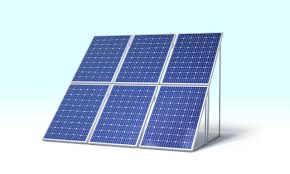
Inverters allow batteries and solar panels—which produce DC electricity—to power household appliances and equipment that operate on AC electricity.
A key electrical principle behind inverter operation is: Alternating Current
Definition of Inverters
Inverters are electronic power conversion devices designed to transform DC electrical power into AC electrical power at specific voltage and frequency levels suitable for appliances and electrical systems.
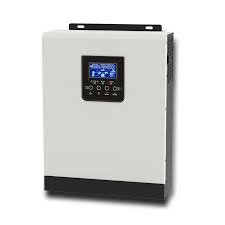
A commonly used renewable energy conversion device is: Power Inverter
Types of Inverters
1. Pure Sine Wave Inverters
Produce smooth AC output similar to grid electricity
Suitable for sensitive electronics and appliances
2. Modified Sine Wave Inverters
Lower-cost alternative
Suitable for basic electrical devices
3. Square Wave Inverters
Simplest inverter type
Rarely used in modern systems
4. Solar Inverters
Specifically designed for solar energy systems
Converts solar DC power into usable AC electricity
5. Hybrid Inverters
Combines solar inverter and battery management functions
Works with grid and battery systems simultaneously
6. Grid-Tie Inverters
Connected directly to the utility grid
Used in grid-connected solar systems
Physical and Technical Characteristics
Inverters typically have:
Electronic circuit boards and transformers
Cooling fans or heat sinks
DC input terminals and AC output terminals
Digital control systems
Voltage and frequency regulation
Overload and short-circuit protection
Compact or industrial-sized designs
How Inverters Work
1. DC Power Input
Electricity enters from batteries or solar panels.
2. Electronic Switching
Semiconductor components rapidly switch current direction.
3. Waveform Generation
The inverter creates AC waveforms at required frequency.
4. AC Output
Usable AC electricity powers appliances and equipment.
Main Components of an Inverter
Power semiconductor switches
Transformer (in some designs)
Control circuitry
Cooling system
Input/output terminals
Battery charging system (hybrid types)
Main Uses of Inverters
1. Solar Energy Systems
Converts solar-generated DC electricity into AC power
2. Backup Power Systems
Provides electricity during power outages
3. Residential Applications
Powers household appliances and lighting
4. Commercial and Industrial Systems
Supports offices, factories, and data centers
5. Mobile and Vehicle Applications
RVs, boats, and mobile power systems
Tabulated Specification of Inverters
Specification
Details
Product Name
Inverters
Function
Converts DC electricity to AC electricity
Input Power
Direct Current (DC)
Output Power
Alternating Current (AC)
Common Waveforms
Pure sine wave, modified sine wave
Main Applications
Solar systems, backup power, electronics
Protection Features
Overload, short circuit, overheating
Power Capacity
Small household to industrial scale
Advantages of Inverters
1. Enables Use of DC Energy Sources
Allows solar panels and batteries to power AC devices.
2. Backup Power Supply
Provides electricity during grid outages.
3. Supports Renewable Energy
Essential for solar and hybrid systems.
4. Energy Efficiency
Modern inverters operate with high efficiency.
5. Voltage Regulation
Protects appliances from unstable power supply.
Economic Importance
Inverters are important because they:
Support renewable energy adoption
Improve electricity reliability
Reduce dependence on fuel-powered generators
Enable off-grid electrification
Support industrial and commercial power systems
They are critical components in modern clean energy infrastructure.
Environmental Considerations
Inverters contribute positively by:
Supporting solar and renewable energy systems
Reducing fossil fuel generator use
Improving energy efficiency
However:
Electronic waste disposal must be managed
Manufacturing requires metals and semiconductors
Cooling systems consume some energy
Storage and Handling Guidelines
To maintain performance and safety:
Install in cool, ventilated environments
Protect from moisture and dust
Avoid overloading the inverter
Use proper cable sizing and grounding
Regularly inspect cooling systems and connections
Conclusion
Inverters are essential electrical devices that convert direct current into alternating current, enabling solar panels, batteries, and other DC sources to power homes, businesses, and industrial systems. Devices such as the Power Inverter are fundamental to modern renewable energy and backup power solutions.
From residential solar systems to industrial energy infrastructure, inverters play a crucial role in efficient and reliable electricity supply.
In essence, inverters are not just electronic devices—they are key energy conversion systems that connect renewable power sources to everyday electrical life.