Wind turbines are machines that convert the kinetic energy of wind into electrical energy. They are one of the most important renewable energy technologies used worldwide for clean electricity generation.
Wind turbines are commonly installed in wind farms, coastal areas, open plains, offshore locations, and remote communities to produce sustainable power with minimal environmental impact during operation.
A core scientific principle behind wind turbines is: Wind Energy Conversion
Definition of Wind Turbines
Wind turbines are mechanical-electrical systems equipped with rotating blades that capture wind energy and drive a generator to produce electricity.
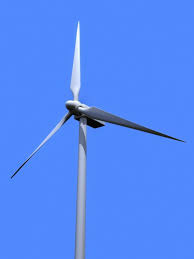
A common utility-scale renewable energy machine is: Wind Turbine
Types of Wind Turbines
1. Horizontal-Axis Wind Turbines (HAWT)
Most common design worldwide
Blades rotate around a horizontal axis
Used in large wind farms
2. Vertical-Axis Wind Turbines (VAWT)
Blades rotate around a vertical axis
Suitable for urban and low-wind environments
3. Onshore Wind Turbines
Installed on land
Easier and cheaper to maintain
4. Offshore Wind Turbines
Installed in oceans or large water bodies
Stronger and more consistent wind speeds
5. Small Wind Turbines
Used for homes, farms, and remote power systems
Main Components of a Wind Turbine
1. Rotor Blades
Capture wind energy and rotate
2. Hub
Connects blades to the main shaft
3. Nacelle
Houses generator, gearbox, and control systems
4. Generator
Converts mechanical energy into electricity
5. Tower
Elevates turbine for better wind access
6. Control System
Monitors wind speed and turbine performance
Physical and Technical Characteristics
Wind turbines typically have:
Large aerodynamic blades
Tall steel or concrete towers
Rotational mechanical systems
Weather-resistant structures
Electrical generators and control systems
High operational lifespan (20–30 years)
Variable power output depending on wind speed
How Wind Turbines Work
1. Wind Flow
Wind passes over turbine blades.
2. Blade Rotation
Aerodynamic lift causes blades to rotate.
3. Mechanical Energy Transfer
Rotation drives a shaft connected to a generator.
4. Electricity Generation
The generator converts mechanical motion into electrical energy.
5. Power Distribution
Electricity is sent to batteries, local grids, or national power systems.
Main Uses of Wind Turbines
1. Utility-Scale Electricity Generation
Large wind farms supplying national grids
2. Rural and Remote Electrification
Off-grid power for communities and farms
3. Industrial Energy Supply
Power for factories and facilities
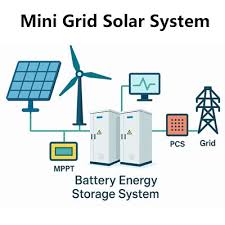
4. Hybrid Renewable Systems
Combined with solar and battery systems
5. Water Pumping Applications
Mechanical pumping in agricultural systems
Tabulated Specification of Wind Turbines
Specification
Details
Product Name
Wind Turbines
Energy Source
Wind energy
Function
Converts wind into electricity
Main Components
Blades, generator, tower, nacelle
Installation Types
Onshore and offshore
Operational Lifespan
20–30 years
Power Output
Small-scale to utility-scale
Main Applications
Renewable electricity generation
Advantages of Wind Turbines
1. Renewable Energy Source
Uses naturally available wind energy.
2. Low Operating Emissions
Produces electricity without fuel combustion.
3. Reduced Fuel Dependence
No fossil fuel required during operation.
4. Scalable Technology
Suitable for small homes or large wind farms.
5. Long-Term Cost Savings
Low operational costs after installation.
Economic Importance
Wind turbines are important because they:
Support renewable energy development
Reduce dependence on imported fuels
Create jobs in manufacturing and maintenance
Improve energy security
Support sustainable economic growth
They are a major component of the global clean energy transition.
Environmental Considerations
Wind energy provides significant environmental benefits:
Low greenhouse gas emissions
Reduced fossil fuel consumption
Minimal water usage during operation
However, considerations include:
Visual and noise impacts
Bird and wildlife interactions
Material and land use requirements
Sustainability measures include:
Improved turbine design
Wildlife protection systems
Recycling of turbine materials
Storage and Handling Guidelines
For turbine components and systems:
Store blades carefully to avoid structural damage
Protect electrical systems from moisture
Conduct regular maintenance inspections
Use proper foundation and installation methods
Monitor turbine performance continuously
Conclusion
Wind turbines are advanced renewable energy systems that convert the kinetic energy of wind into electricity through the principle of Wind Energy Conversion. Devices such as the Wind Turbine are essential to modern clean energy infrastructure.
From small rural systems to massive offshore wind farms, wind turbines provide sustainable electricity for homes, industries, and national power grids.
In essence, wind turbines are not just energy machines—they are powerful symbols of the global transition toward cleaner, renewable, and environmentally sustainable energy systems.