Iron ore is one of the most important industrial minerals in the world and the primary raw material used in steel production. It is mined in large quantities and processed to extract iron, which is then used to manufacture steel for construction, transportation, machinery, and infrastructure.
Iron ore exists in several natural mineral forms and is typically found in rocks and mineral deposits formed through geological processes over millions of years.
Definition of Iron Ore
Iron ore refers to naturally occurring rocks and minerals from which metallic iron can be economically extracted. It contains iron compounds in varying concentrations, along with impurities such as silica, alumina, and phosphorus.
The most common iron ore minerals include:
Hematite
Magnetite
Limonite
Siderite
Types of Iron Ore
1. Hematite
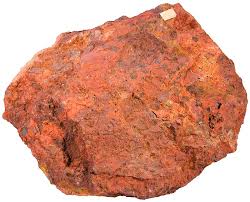
Hematite
Most important source of iron
Reddish-brown color
High iron content (up to ~70%)
Easy to process and widely used in steelmaking
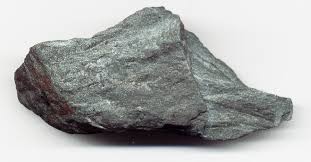
2. Magnetite
Magnetite
Black, magnetic mineral
Very high iron content (up to ~72%)
Requires beneficiation before use
3. Limonite
Limonite
Brownish-yellow iron ore
Lower iron content
Often used in low-grade iron production
4. Siderite
Siderite
Iron carbonate ore
Requires roasting before processing
Less commonly used compared to hematite and magnetite
Physical and Chemical Characteristics of Iron Ore
Iron ore typically exhibits:
Metallic to earthy appearance
Colors ranging from red, brown, black, to yellow
High density and weight
Variable iron content (25%–70%+)
Magnetic properties (especially magnetite)
Presence of impurities like silica and phosphorus
Hard, compact rock structure
Formation of Iron Ore
Iron ore deposits form through geological processes such as:
1. Magmatic Processes
Iron-rich magma cools and crystallizes
2. Sedimentary Deposition
Iron compounds settle in ancient ocean beds
3. Metamorphic Transformation
Existing rocks are altered by heat and pressure
4. Weathering and Enrichment
Natural concentration of iron minerals over time
Extraction and Processing of Iron Ore
1. Mining
Open-pit or underground mining methods are used depending on deposit depth
2. Crushing and Screening
Ore is broken into smaller sizes for processing
3. Beneficiation
Removal of impurities such as silica and clay
Improves iron concentration
4. Concentration
Magnetic separation (especially for magnetite)
Gravity separation methods
5. Pelletizing (optional)
Fine ore is formed into pellets for blast furnaces
6. Transportation
Shipped to steel plants for smelting
Tabulated Specification of Iron Ore
Specification
Details
Product Name
Iron Ore
Main Minerals
Hematite, Magnetite, Limonite, Siderite
Chemical Nature
Iron oxides / iron carbonates
Color
Red, black, brown, yellow
Iron Content
~25% to 72% depending on type
Magnetic Properties
Present in magnetite
Hardness
Medium to high
Main Applications
Steel production, construction, manufacturing
Processing Methods
Mining, crushing, beneficiation, pelletizing
Storage Conditions
Dry, bulk storage areas
Uses of Iron Ore
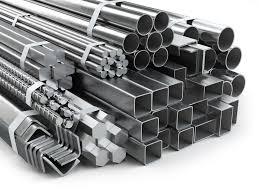
1. Steel Production (Primary Use)
Used to produce pig iron and steel
Foundation of modern construction and industry
2. Construction Industry
Buildings, bridges, roads, and infrastructure
Reinforced concrete structures
3. Automotive Industry
Cars, trucks, engines, and machinery components
4. Manufacturing
Tools, equipment, and heavy machinery
5. Transportation Infrastructure
Railways, ships, and industrial systems
Advantages of Iron Ore
1. Essential for Steel Production
Core raw material for global steel industries.
2. High Availability
Found in large deposits worldwide.
3. Strong Industrial Demand
Used across almost all infrastructure sectors.
4. Economic Value
Major export commodity for many countries.
5. Versatile Applications
Supports construction, transport, and manufacturing industries.
Economic Importance
Iron ore is one of the most valuable bulk commodities globally because it:
Drives the global steel industry
Supports infrastructure and urban development
Creates mining, transport, and manufacturing jobs
Generates significant export revenue
Forms the backbone of industrial economies
Environmental Considerations
Iron ore mining may involve:
Land disturbance from open-pit mining
Dust and air pollution
Waste rock and tailings management challenges
However, mitigation measures include:
Land rehabilitation after mining
Dust control systems
Recycling of steel to reduce mining demand
Storage and Handling Guidelines
To maintain quality:
Store in dry bulk storage areas
Prevent contamination with soil or moisture
Handle with heavy equipment due to weight
Separate ore grades for consistent quality
Use covered transport to reduce dust loss
Conclusion
Iron ore is a fundamental industrial mineral composed mainly of iron oxides and carbonates, including key forms such as Hematite and Magnetite. It is the primary raw material used in steel production and plays a critical role in global infrastructure, construction, and manufacturing.
From buildings and bridges to vehicles and machinery, iron ore supports nearly every major industrial sector. Its abundance and importance make it one of the most essential commodities in the global economy.
In essence, iron ore is not just a mineral—it is the backbone of modern civilization, powering the steel industry and enabling global development.