Salt is one of the most essential natural minerals in the world, widely used in food preservation, cooking, chemical industries, water treatment, and livestock nutrition. It is a basic dietary requirement for humans and animals and also a key raw material in many industrial processes.
Commonly known as table salt, its main chemical component is sodium chloride (NaCl), found naturally in seawater, salt lakes, and underground rock deposits.
Definition of Salt
Salt is a naturally occurring crystalline mineral composed primarily of sodium chloride (NaCl). It exists in solid form as rock salt or is dissolved in seawater and brine.
The natural mineral form of salt is known as: Halite
Types of Salt
1. Rock Salt
Mined from underground deposits
Crystalline and unrefined form
Used for industrial and road de-icing applications
2. Sea Salt
Produced by evaporating seawater
Contains trace minerals depending on source
Used in food and gourmet applications
3. Table Salt
Refined and processed salt
Often iodized for nutritional health
Most common household salt
4. Industrial Salt
Used in chemical manufacturing, textiles, and water treatment
Lower purity requirements
5. Himalayan or Natural Mineral Salt
Mined from ancient salt deposits
Often pink due to trace minerals
Physical and Chemical Characteristics of Salt
Salt is characterized by:
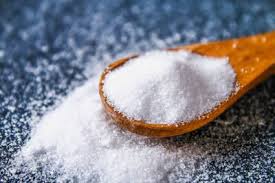
White or transparent crystalline appearance
Strong salty taste
High solubility in water
Chemical formula: NaCl
Cubic crystal structure
Stable under normal environmental conditions
Melting point: 801°C
Hygroscopic in humid conditions (absorbs moisture)
Formation of Salt Deposits
Salt forms through natural geological and environmental processes:
1. Evaporation of Seawater
Water evaporates, leaving behind salt crystals
2. Salt Lake Drying
Inland lakes rich in minerals dry over time
3. Geological Compression
Ancient seas become buried and form rock salt deposits
Extraction and Processing of Salt
1. Mining or Evaporation
Rock salt is mined from underground deposits
Sea salt is obtained through evaporation ponds
2. Crushing and Washing
Removes impurities and breaks large crystals
3. Refining
Purifies sodium chloride content
4. Iodization (for table salt)
Iodine is added to prevent thyroid disorders
5. Drying and Packaging
Final product is dried and packaged for distribution
Tabulated Specification of Salt
Specification
Details
Product Name
Salt (Sodium Chloride)
Chemical Formula
NaCl
Natural Form
Halite
Color
White, transparent, or pink (varies by type)
Taste
Salty
Solubility
Highly soluble in water
Crystal Structure
Cubic
Melting Point
801°C
Main Applications
Food, industry, water treatment, livestock feed
Storage Conditions
Dry environment
Uses of Salt
1. Food Industry
Seasoning and flavor enhancement
Food preservation (pickling, curing meat, fish)
2. Health and Nutrition
Essential for electrolyte balance in the body
Iodized salt prevents iodine deficiency
3. Industrial Applications
Chlorine and caustic soda production
Textile and dye industries
Chemical manufacturing
4. Water Treatment
Softening hard water
Regeneration of ion-exchange systems
5. Agriculture and Livestock
Mineral supplement in animal feed
Used in some soil management applications
Advantages of Salt
1. Essential Nutrient
Required for human and animal life.
2. Wide Industrial Use
Important raw material in chemical production.
3. Low Cost and Abundant
Easily available worldwide.
4. Preservation Ability
Extends shelf life of food products.
5. Versatile Applications
Used across food, industry, and agriculture.
Economic Importance
Salt contributes to global economies by:
Supporting food processing and preservation industries
Serving as a raw material for chemical production
Creating mining and refining jobs
Supporting livestock and agriculture sectors
Enabling export trade in mineral commodities
It is one of the oldest and most widely traded minerals in human history.
Environmental Considerations
Salt production and mining may involve:
Land disturbance in salt mining areas
Water usage in evaporation systems
Potential soil salinity issues if mismanaged
However, environmental management includes:
Controlled evaporation techniques
Recycling of industrial brine
Sustainable mining practices
Storage and Handling Guidelines
To maintain quality:
Store in dry, airtight containers
Avoid moisture exposure to prevent clumping
Keep away from contaminants
Use proper packaging for industrial grades
Handle carefully in humid environments
Quality Control Standards
High-quality salt is evaluated based on:
Sodium chloride purity level
Moisture content
Grain size consistency
Iodine content (for table salt)
Presence of impurities (calcium, magnesium, etc.)
Conclusion
Salt is a fundamental natural mineral composed mainly of sodium chloride (NaCl), essential for human life and widely used across food, industrial, agricultural, and chemical sectors. It is found naturally as rock salt in the mineral form known as Halite and is produced through mining or evaporation processes.
From cooking and food preservation to chemical manufacturing and water treatment, salt remains one of the most important and versatile raw materials in the world.
In essence, salt is not just a seasoning—it is a vital mineral that supports life, industry, and global economic activity.