Kraft paper is a strong, durable, and versatile packaging material produced from chemical pulp through the kraft process. It is widely used across packaging, wrapping, industrial, agricultural, and commercial applications due to its high tensile strength, tear resistance, and eco-friendly characteristics.
The name “kraft” comes from the German word for “strength,” reflecting its superior mechanical properties compared to standard paper. Kraft paper is commonly brown in color, although it can also be bleached or coated depending on its intended use. It is one of the most important materials in the global packaging industry, especially as businesses shift toward sustainable and biodegradable alternatives to plastic.
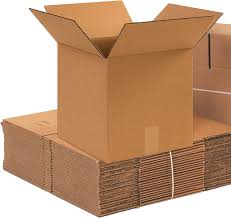
Kraft paper is used for making bags, cartons, wrapping sheets, corrugated boxes, paper rolls, and protective packaging materials.
Definition of Kraft Paper
Kraft paper is a high-strength paper produced from wood pulp using the kraft chemical pulping process, which removes lignin while preserving long cellulose fibers to enhance strength and durability.
The primary raw materials used in kraft paper production include softwood and hardwood trees such as:
Kraft paper is widely used across industries due to its strength and versatility:
1. Packaging Industry
Corrugated box production
Protective wrapping materials
Shipping cartons
2. Food Industry
Food wrapping paper
Bakery bags
Fast food packaging
3. Industrial Applications
Heavy-duty sacks for cement and chemicals
Machine wrapping
Protective layering for goods
4. Retail and Commercial Use
Shopping bags
Gift wrapping
Product packaging
5. Agriculture Sector
Seed packaging
Fertilizer bags
Crop wrapping and storage
6. E-commerce Packaging
Protective fillers
Mailing envelopes
Eco-friendly shipping materials
Advantages of Kraft Paper
1. High Strength
Resistant to tearing and bursting under pressure.
2. Eco-Friendly
Biodegradable and recyclable, reducing environmental impact.
3. Cost-Effective
Affordable compared to plastic-based packaging materials.
4. Versatile Applications
Suitable for industrial, commercial, and household use.
5. Good Printability
Can be printed with branding and product information.
6. Lightweight Material
Reduces shipping weight and transportation costs.
Economic Importance
Kraft paper plays a major role in global industries by:
Supporting the packaging and logistics sector
Driving demand in pulp and paper manufacturing industries
Creating employment in forestry, production, and distribution
Enabling growth in e-commerce and retail packaging
Promoting sustainable alternatives to plastic packaging
It is a critical material in modern supply chain systems.
Environmental Considerations
Kraft paper is considered one of the most environmentally friendly packaging materials due to:
Use of renewable wood resources
High recyclability and reuse potential
Biodegradable nature
Reduced dependence on plastic materials
Sustainable forestry management practices
When sourced responsibly, kraft paper supports global environmental conservation efforts.
Storage and Handling Guidelines
To maintain quality:
Store in dry and humidity-controlled environments
Avoid exposure to water or excessive moisture
Keep away from direct sunlight for long periods
Stack rolls and sheets properly to avoid deformation
Handle carefully to prevent tearing or creasing
Proper storage ensures long shelf life and usability.
Quality Control Standards
High-quality kraft paper must meet:
Tensile strength requirements
Burst resistance standards
Uniform thickness and GSM consistency
Moisture content control
Printability and surface quality checks
Environmental compliance certifications
Conclusion
Kraft paper is a strong, versatile, and eco-friendly packaging material widely used across industries such as logistics, food packaging, agriculture, retail, and manufacturing. Produced from sustainable wood sources such as Pinus radiata, Eucalyptus globulus, and Pinus sylvestris, it offers excellent strength, durability, and environmental benefits.
Its ability to replace plastic-based packaging while maintaining high performance makes it a key material in modern sustainable packaging systems. As global demand for eco-friendly solutions continues to rise, kraft paper remains a fundamental and essential product in the packaging industry.
In essence, kraft paper is not just packaging material—it is a sustainable industrial solution that combines strength, versatility, and environmental responsibility in modern commerce and logistics.