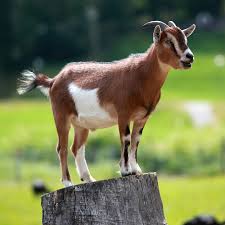
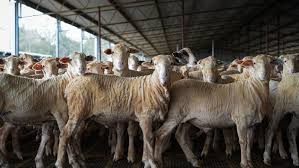
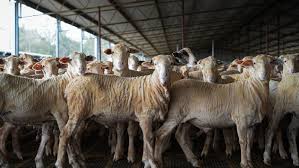
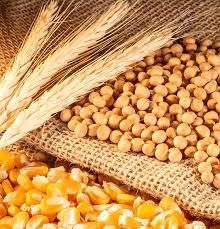
The international livestock trade relies on live animal logistics to sustain regional agricultural economies, improve herd genetics, and satisfy distinct cultural and religious culinary traditions. At the absolute center of this global market segment is the live sheep (Ovis aries). As highly adaptable, flocking ruminants, sheep play a foundational role in global farming systems by efficiently converting native grasses, rangeland scrub, and agricultural cover crops into premium meat, wool, and milk.
Unlike chilled or frozen meat commodities that require energy-intensive, continuous refrigeration networks, the live sheep trade offers an alternative supply chain. This sector bypasses the need for immediate cold-chain infrastructure by transporting the living animal directly to local markets, processing hubs, or specialized breeding operations. This capability is critical in regions where cold storage is limited or where local consumer bases demand fresh, traditionally harvested meats on-site.
From elite, performance-tested breeding rams exported to upgrade fine-wool clip weights to millions of hardy market-grade lambs shipped ahead of major cultural holidays, live sheep are a vital agricultural commodity. They anchor rural economic stability and drive international livestock commerce.
Defining the Live Sheep Commodity
From an agricultural and regulatory standpoint, live sheep are traded as living livestock assets, classified based on their breed genetics, physiological age, weight, gender, and final production utility.
Trading live animals requires a fundamentally different set of protocols than handling inanimate commodities. The entire supply chain must prioritize biological life, animal welfare, and strict veterinary biosecurity to deliver healthy animals that comply with international cross-border disease controls.
The primary objectives of the live sheep trade are:
Genetic Improvement and Adaptation: Exporting high-value, registered purebred animals to pass on traits like wool fineness, rapid lamb growth, high twinning rates, and resistance to internal parasites.
Cultural and Seasonal Supply: Moving large numbers of healthy animals to regional urban centers ahead of major traditional holidays and religious festivals, where local harvest practices are required.
Land Management and Multi-Species Grazing: Utilizing sheep alongside cattle to optimize pasture management, as sheep selectively target different weed species, improving pasture health naturally.
The live sheep trade is generally divided into four core commercial categories based on development and utility:
Slaughter / Feeder Lambs: Young sheep (typically under one year of age) prized for their tender meat profile. Feeders are lighter lambs purchased to be fattened on grain or high-quality pasture, while slaughter lambs are ready for immediate harvest.
Mutton Stock: Mature ewes (females) or wethers (castrated males) traded primarily for high-volume, lean meat production once their wool or reproductive yields decline.
Breeding Stock: Registered rams (intact males) and replacement ewes with documented pedigrees, purchased specifically to build or upgrade the foundation genetics of a production flock.
Dairy Production Stock: Specialized high-yielding milk breeds (such as the East Friesian, Lacaune, or Awassi) sold to commercial sheep dairies to produce premium artisanal cheeses like Roquefort, Pecorino, and Feta.
Technical Specifications
For commercial livestock importers, pastoral station managers, and international customs officials, live sheep must meet strict physical, health, and biosecurity criteria before transport. The table below outlines the standard procurement baseline for a commercial import batch of live meat-grade sheep.
Specification Parameter
Targeted Standard Baseline
Verification / Compliance Method
Primary Breed Target
Dorper, Awassi, Merino, or Suffolk (Depending on utility)
Visual & Phenotypic Inspection
Age Classification
Lambs (No permanent incisors) / Mutton (2+ permanent teeth)
Dental Examination (Mouthing the flock)
Live Weight Range
40 kg to 55 kg (Adjustable by contract)
Calibrated Electronic Livestock Scale
Body Condition Score (BCS)
2.5 to 3.5 (Scale of 1 to 5; optimal muscle-to-fat coverage)
Palpation of Spine, Loin, and Rib Structures
Peste des Petits Ruminants (PPR)
100% Free / Certified disease-free zone
Serological Testing / Government Vet Certificate
Foot Rot (Dichelobacter nodosus)
0% Incidence (Absolute zero tolerance)
Visual Inspection of Hooves & Mandatory Foot Bath
External Parasites
100% Free of sheep keds, lice, and scab mites
Mandatory Pre-Shipment Insecticide Dip / Shower
Identification Tagging
Double-ear tag (RFID Electronic + Visual matching)
Digital Scanning and ISO 11784/11785 Logging
Quarantine Isolation
Minimum 21 to 30 days prior to export loading
Isolated Holding Facility Audit
Transport Space Allowance
0.28 $m^2$ to 0.40 $m^2$ per animal (Based on weight & fleece)
Vehicle Loading Density Calculation
Comprehensive Functional Uses
The biological capabilities and high-yield outputs of live sheep make them incredibly valuable assets across multiple tiers of global agriculture.
1. High-Value Protein and Dairy Supply Chains
Live sheep provide a highly decentralized, efficient source of premium animal protein and specialized dairy goods.
Decentralized Fresh Meat Delivery: In regions with limited refrigeration infrastructure, trading live sheep allows small communities or families to purchase a single animal and harvest it locally. This ensures fresh meat with zero risk of storage loss.
Gourmet Dairy Operations: Establishing specialized sheep dairies with high-yielding live stock allows producers to tap into the premium artisanal cheese market, which commands high margins among luxury food consumers.
2. Global Textile and Fiber Production
Sheep breeds selected for fleece characteristics function as living fiber factories, yielding a annual, sustainable harvest of wool.
Fine Apparel and Performance Outerwear: Merino breeding stock produces ultra-fine wool fibers (under 20 microns) that are processed into premium, moisture-wicking thermal apparel used by high-end performance clothing brands.
Industrial Textile Foundations: Coarser wool clips from dual-purpose sheep are utilized globally for heavy-duty carpets, blankets, and natural acoustic insulation panels.
3. Integrated Agricultural Systems and Viticulture
The natural behavior of live sheep makes them excellent partners for sustainable, chemical-free farm management.
Vineyard Floor Management (“Sheep Mowers”): During the winter dormant season, vineyard owners lease live sheep herds to graze between rows of grapevines. The sheep clean up weeds and cover crops, drop natural fertilizer, and eliminate the need for mechanical tractors or chemical herbicides.
Ruminant Biology and Flocking Science
The high commercial efficiency of the live sheep is driven directly by its specialized physiology and behavior, allowing for highly automated herd management.
Efficient Foraging via Ruminant Digestion
Like goats and cattle, sheep are ruminants equipped with a highly specialized four-compartment stomach (rumen, reticulum, omasum, and abomasum).
The rumen acts as a continuous fermentation chamber populated by billions of microbes. These organisms break down the complex beta-linkages of plant cellulose found in grasses and clover, converting them into volatile fatty acids. This process allows live sheep to extract high-quality energy and synthesize premium proteins from pastures that are completely indigestible to humans and non-ruminants.
The Instinctive Flocking Flocking Behavior
From a logistics and handling standpoint, sheep possess an intensely strong gregarious instinct (flocking behavior). When threatened or moved, individual sheep naturally gather tight against the center of the flock.
This behavioral trait is an industrial asset; it allows a single handler with a trained herding dog or a basic system of corral gates to smoothly guide hundreds of animals at once into transport vehicles or weighing chutes, minimizing handling stress and processing labor.
Supply Chain, Transport Logistics, and Welfare Standards
Transporting live animals over long distances demands strict adherence to biosecurity laws and precise environmental controls to maintain herd health.
Before crossing borders, live sheep enter isolated quarantine facilities for a mandatory 21 to 30 days. During this isolation window, official veterinarians perform blood tests to screen for infectious diseases, administer drench treatments to clear out internal parasites, and monitor the flock daily to ensure no pathogens are exported.
2. Transport Vehicle Management
Live sheep are moved by multi-deck livestock trucks or large, custom-built ocean vessels. The transport units must provide:
Adequate Headroom and Ventilation: Ensuring continuous air movement to sweep away moisture, heat, and carbon dioxide, which prevents respiratory stress (shipping fever).
Fleece-Specific Space Tuning: Shorn sheep require less space and handle heat better, whereas sheep in full fleece require lower loading densities to prevent heat from trapping within the flock.
3. Mitigating Transport Shrinkage
When livestock travel, they experience shrinkage—a temporary loss of body weight caused by the emptying of the digestive tract and fluid loss. To keep shrinkage below a safe 4% to 6% threshold, international transport regulations require that sheep be given a mandatory rest period with access to clean water and balanced feed pellets after designated periods of travel, ensuring their immune systems remain strong all the way to their final destination.
Conclusion
The live sheep commodity represents a vital, multi-functional asset within global agriculture, delivering top-tier protein, specialized fiber, and sustainable land-management solutions. By capitalizing on their natural ruminant biology and strong flocking instincts, sheep allow for highly efficient meat and wool production with minimal handling friction.
Through a structured global supply chain focused on strict quarantine gates, RFID tag traceability, and humane livestock transport protocols, the live sheep trade connects large-scale pastoral producers with demanding consumer markets. As international farming systems continue to emphasize circular resource loops and low-input, pasture-based protein models, the live sheep will remain a foundational commodity anchoring global food security and sustainable agricultural development.