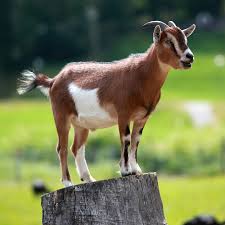
The global livestock trade relies on live animal logistics to sustain agricultural economies, meet specific cultural and religious traditions, and drive genetic improvements in farming. At the center of this versatile market segment are live goats (Capra hircus). Goats are exceptionally hardy, highly adaptable ruminants that play a vital role in converting sparse, fibrous vegetation into premium milk, meat, and fiber products.
Unlike processed meat commodities, which rely heavily on continuous refrigeration networks, the trade of live goats offers a unique logistical alternative. This sector bypasses the immediate need for a cold chain by moving the entire living animal directly to regional markets, processing hubs, or specialized breeding operations. This capability is invaluable in regions where cold storage infrastructure is limited or where local consumer bases demand fresh, traditionally harvested meats.
From resilient Boer meat bucks shipped internationally to improve herd genetics to small, hardy dairy breeds built for sustainable village milk production, live goats are a critical agricultural asset. They anchor rural economic stability and play a major role in global food security.
Defining the Live Goat Commodity
From an agricultural and commercial standpoint, live goats are traded as living livestock assets, classified based on their breed genetics, age, weight, gender, and final production utility.
Trading live animals requires a fundamentally different set of protocols than handling inanimate commodities. The market must prioritize biological life, animal welfare, and strict veterinary biosecurity. The goal is to deliver a stress-free, healthy animal that complies with international cross-border disease controls.
The primary objectives of the live goat trade are:
Genetic Improvement: Exporting high-value, registered purebred animals to upgrade the growth rates, reproductive efficiency, and carcass yields of local herds.
Cultural and Seasonal Supply: Moving large numbers of healthy animals to urban centers ahead of major traditional holidays and religious festivals, where fresh, on-site harvest is required.
Vegetation Management (Brush Clearing): Commercial leasing of live goat herds to forestry departments, utility companies, and private estates as an eco-friendly tool to control weeds and mitigate wildfire risks.
The live goat trade is generally divided into four core commercial categories:
Slaughter / Meat Stock: Mature wethers (castrated males), bucks, or culls selected primarily for immediate harvest based on their total muscle weight and body conformation.
Breeding Stock: High-value, visually appraised bucks and does with documented pedigrees, purchased specifically to pass on traits like heat tolerance, twin-birth tendencies, and disease resistance.
Dairy Production Stock: Specialized high-yielding milk breeds (such as Saanen, Alpine, or Anglo-Nubian) sold to commercial creameries or smallholders to produce milk, cheese, and yogurt.
Fiber / Fleece Stock: Breeds like Angora (mohair) or Cashmere goats, valued and traded for their premium fleece yields rather than their meat or dairy potential.
Technical Specifications
For commercial livestock importers, ranch managers, and international customs officials, live goats must meet strict physical, health, and biosecurity criteria before transport. The table below represents the standard procurement baseline for a commercial import batch of live meat-grade goats.
Specification Parameter
Targeted Standard Baseline
Verification / Compliance Method
Primary Breed Target
Boer Cross, Savanna, or Kalahari Red (Meat types)
Visual & Phenotypic Inspection
Age Range
8 to 14 months (Optimal tenderness and growth)
Dental Examination (Checking incisors)
Live Weight Range
35 kg to 45 kg (Adjustable by contract)
Calibrated Electronic Livestock Scale
Body Condition Score (BCS)
3.0 to 3.5 (Scale of 1 to 5; optimal muscle-to-fat balance)
Palpation of Loin and Rib Structures
Brucellosis (Brucella melitensis)
100% Negative / Clear
Rose Bengal Test (RBT) / ELISA Blood Test
Contagious Caprine Pleuropneumonia
Absent / Certified disease-free zone
Official Government Veterinary Health Certificate
External Parasites
100% Free of ticks, lice, and mites
Mandatory Pre-Shipment Insecticide Dip / Spray
Identification Tagging
Double-ear tag (RFID Electronic + Visual matching)
Digital Scanning and ISO 11784/11785 Logging
Quarantine Isolation
Minimum 21 to 30 days prior to export loading
Isolated Holding Facility Audit
Transport Space Allowance
0.4 $m^2$ to 0.6 $m^2$ per animal (Based on weight)
Vehicle Loading Density Calculation
Comprehensive Functional Uses
The versatility of live goats makes them highly valuable across several agricultural, environmental, and commercial sectors.
1. Meat and Dairy Production Supply Chains
Live goats provide a highly efficient, decentralized source of top-tier animal protein and specialized dairy goods.
Decentralized Protein Delivery: In regions lacking reliable electrical grids or commercial cold storage, trading live goats allows families and small communities to purchase a single animal and harvest it locally. This ensures fresh meat with zero risk of spoilage losses.
Value-Aged Dairy Operations: Establishing commercial goat dairies with specialized live stock allows farmers to tap into the high-margin gourmet cheese market (such as chèvre, feta, and caprine gouda), which caters to health-conscious and lactose-sensitive consumers.
2. Commercial Land Management and Eco-Grazing
The unique eating habits of live goats have turned them into a valuable tool for commercial weed control and land management.
Targeted Weed Eradication: Unlike cattle and sheep, which prefer soft grasses, goats are natural browsers. They target tough, woody brush, invasive thorny weeds, and deep brush that other livestock avoid, clearing land effectively without the need for chemical herbicides.
Wildfire Fuel Mitigation: Fire departments and forestry services routinely lease commercial live goat herds to clear dense underbrush along power lines and around mountain communities, creating vital firebreaks safely and sustainably.
3. Smallholder Economic Security
In developing rural economies, live goats function as a liquid financial asset and a reliable form of insurance against crop failures.
Micro-Investment Assets: Goats reproduce quickly, frequently giving birth to twins or triplets after a short 5-month gestation period. This rapid turnaround allows smallholders to build a herd quickly, selling off individual live animals whenever they need immediate cash for school fees, medical bills, or farm equipment.
Ruminant Digestion and Hardiness Science
The high commercial value of the live goat stems directly from its specialized biology, which allows it to thrive in harsh environments where other livestock species would starve.
The Four-Compartment Ruminant Stomach
Goats are highly efficient herbivores equipped with a complex four-compartment stomach consisting of the rumen, reticulum, omasum, and abomasum.
The rumen acts as a massive fermentation vat holding billions of symbiotic bacteria, protozoa, and fungi. When a goat consumes tough, fibrous scrub or brush, these microbes secrete specialized cellulase enzymes that break down tough plant cellulose into volatile fatty acids (VFAs). These fatty acids are absorbed straight through the rumen wall, providing the goat with the bulk of its daily metabolic energy.
Browse Preference and Anatomical Adaptations
Goats possess highly mobile, prehensile lips and a narrow muzzle. These physical traits allow them to selectively strip the most nutritious leaves, seeds, and bark off thorny bushes while avoiding the sharpest thorns.
Furthermore, a goat’s liver is uniquely adapted to detoxify high concentrations of plant tannins—bitter defensive chemical compounds found in oak, brush, and weeds that would cause severe kidney damage or death in cattle or horses. This specialized tolerance allows live goats to convert low-value brush into high-value muscle tissue and milk.
Supply Chain, Transport Logistics, and Welfare Standards
Moving live animals safely requires strict adherence to animal welfare laws and precise logistical timing to avoid weight loss (shrinkage) or disease outbreaks.
Before loading, live goats are placed into biosecure quarantine facilities for 21 to 30 days. During this window, state veterinarians test individual blood samples for infectious diseases and treat the herd with broad-spectrum anthelmintics to clear out internal parasites. This treatment ensures the animals do not spread pests across regional or international borders.
2. Transport Vehicle Engineering and Design
Live goats are moved by specialized multi-deck livestock trucks or dedicated ocean vessels. The transport units must feature:
Slip-Resistant Flooring: Often bedded with thick straw or wood shavings to absorb moisture, prevent leg injuries, and stop animals from slipping during sudden braking.
Passive or Forced Ventilation: Continuous airflow is mandatory to clear out toxic ammonia fumes from urine and dissipate metabolic body heat, preventing dangerous heat stress.
3. Managing Transport Stress and Shrinkage
When livestock travel, they experience physical stress that results in shrinkage—a temporary loss of body weight caused by dehydration and the emptying of the digestive tract.
To keep shrinkage below a safe 5% threshold, international transport laws mandate that live goats must be unloaded for feed, water, and rest at designated rest stations after every 24 to 30 hours of continuous road travel. Maintaining this routine keeps their immune systems strong and prevents transit-related illnesses like shipping fever (bovine respiratory disease complex).
Conclusion
The live goat commodity represents a dynamic and resilient asset within global agriculture, delivering high-quality protein, dairy products, and land-management solutions to diverse economies. By harnessing their unique ruminant biology, goats comfortably transform low-value, invasive brush into highly profitable agricultural outputs.
Through a structured supply chain focused on strict quarantine controls, double-tag traceability, and humane livestock transport design, the live goat trade safely bridges the gap between breeding ranches and demanding consumer markets. As global farming trends continue to lean toward eco-friendly weed control and sustainable, low-input livestock options, the live goat will remain an essential, highly secure commodity anchoring international agricultural development and traditional food supply networks.