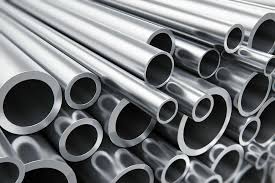
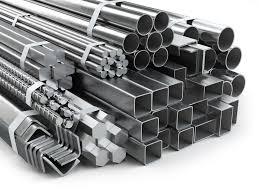
Metal pipes are hollow cylindrical products made from metals such as steel, iron, aluminum, copper, and stainless steel. They are widely used for transporting fluids, gases, and sometimes solid materials in construction, plumbing, industrial systems, and infrastructure projects.
Metal pipes are essential components in water supply systems, oil and gas pipelines, structural frameworks, and mechanical installations.
Definition of Metal Pipes
Metal pipes are long, hollow tubes manufactured from metal materials designed to carry substances or provide structural support. They are produced in various diameters, thicknesses, and grades depending on their intended use.
A widely used structural steel pipe type is: Steel Pipe
Types of Metal Pipes
1. Steel Pipes
Strong and durable
Used in construction, oil, gas, and water systems
2. Stainless Steel Pipes
Highly resistant to corrosion
Used in food, chemical, and marine industries
3. Galvanized Iron (GI) Pipes
Coated with zinc for rust protection
Common in water supply systems
4. Copper Pipes
Excellent thermal and electrical conductivity
Used in plumbing and refrigeration systems
5. Aluminum Pipes
Lightweight and corrosion-resistant
Used in aerospace and HVAC systems
6. Cast Iron Pipes
Heavy-duty and long-lasting
Used in drainage and sewage systems
Physical and Mechanical Characteristics of Metal Pipes
Metal pipes typically have:
High strength and pressure resistance
Hollow cylindrical structure
Corrosion resistance (varies by material)
Durability under harsh conditions
Ability to withstand high temperatures
Smooth internal surface for fluid flow
Recyclability
Manufacturing Process of Metal Pipes
1. Raw Material Preparation
Metals such as steel, iron, or copper are prepared.
2. Pipe Forming
Seamless pipes: made by piercing solid billets
Welded pipes: made by rolling and welding metal sheets
3. Heat Treatment
Improves strength and flexibility.
4. Surface Treatment
Galvanizing (zinc coating)
Polishing or anti-corrosion coating
5. Cutting and Sizing
Pipes are cut into required lengths.
6. Quality Testing
Pressure, leakage, and strength tests are performed.
Tabulated Specification of Metal Pipes
Specification
Details
Product Name
Metal Pipes
Base Materials
Steel, iron, copper, aluminum, stainless steel
Shape
Hollow cylindrical
Strength
High
Corrosion Resistance
Varies (high in stainless/galvanized types)
Pressure Capacity
High
Temperature Resistance
High
Main Applications
Plumbing, construction, oil & gas, drainage
Maintenance
Low to moderate
Uses of Metal Pipes
1. Water Supply Systems
Transport of clean and treated water
Municipal water distribution
2. Oil and Gas Industry
Transport of crude oil and natural gas
Refinery pipelines
3. Construction Industry
Structural support frameworks
Scaffolding systems
4. Plumbing and Drainage
Household and industrial plumbing
Wastewater systems
5. HVAC Systems
Heating, ventilation, and air conditioning ducts
Refrigeration pipelines
Advantages of Metal Pipes
1. High Strength
Can withstand high pressure and load.
2. Durable
Long service life under harsh conditions.
3. Versatile
Used in many industries and systems.
4. Heat Resistant
Suitable for high-temperature applications.
5. Recyclable
Environmentally friendly when recycled.
Economic Importance
Metal pipes are essential because they:
Support infrastructure development (water, sewage, energy)
Drive construction and industrial growth
Enable oil and gas transportation systems
Create manufacturing and engineering jobs
Support urban development and utilities
They are a backbone of modern infrastructure systems.
Environmental Considerations
Metal pipe production and use involve:
Energy consumption in metal processing
Mining impacts from raw materials
Corrosion and waste management concerns
Sustainability measures include:
Recycling steel and metal pipes
Using corrosion-resistant coatings to extend lifespan
Energy-efficient manufacturing processes
Reuse in construction projects
Storage and Handling Guidelines
To maintain quality:
Store in dry, ventilated areas
Avoid contact with corrosive substances
Stack properly to prevent bending
Protect coated surfaces from scratches
Use lifting equipment for heavy pipes
Conclusion
Metal pipes are essential industrial and construction materials made from steel, iron, copper, aluminum, and other metals. The most widely used type is the steel pipe Steel Pipe, valued for its strength, durability, and versatility.
From water supply systems and oil pipelines to building structures and HVAC systems, metal pipes play a critical role in modern infrastructure.
In essence, metal pipes are not just hollow tubes—they are vital lifelines of modern civilization, enabling transport, construction, and industrial operations worldwide.