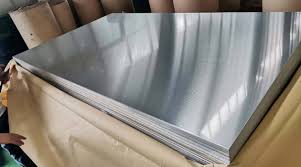
Roofing sheets are building materials used to cover roofs of residential, commercial, industrial, and agricultural structures. They provide protection against rain, sunlight, wind, and heat while also contributing to the structural integrity and aesthetics of a building.
Roofing sheets are available in different materials such as metal, aluminum, steel, plastic, and composite materials, depending on durability, climate conditions, and budget.
Definition of Roofing Sheets
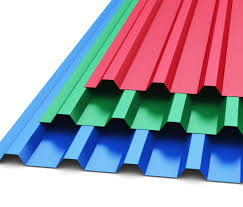
Roofing sheets are flat or corrugated panels installed on roof structures to provide a protective outer layer. They are designed to shed water efficiently and withstand environmental conditions such as heavy rainfall, UV radiation, and strong winds.
A commonly used metal roofing material is galvanized steel: Galvanized Steel Roofing Sheet
Types of Roofing Sheets
1. Corrugated Roofing Sheets
Wavy or ridged design for strength
Common in residential and industrial buildings
Good water drainage
2. Aluminum Roofing Sheets
Lightweight and corrosion-resistant
Ideal for coastal or humid areas
3. Galvanized Steel Roofing Sheets
Coated with zinc to prevent rust
Strong and widely used in construction
4. Polycarbonate Roofing Sheets
Transparent or semi-transparent plastic sheets
Used for skylights, greenhouses, and patios
5. Bitumen Roofing Sheets
Made from asphalt-based materials
Waterproof and soundproof
6. Stone-Coated Metal Sheets
Metal sheets coated with stone granules
Aesthetic and highly durable
Physical and Mechanical Characteristics of Roofing Sheets
Roofing sheets typically have:
High durability and weather resistance
Lightweight structure (varies by material)
Corrosion resistance (especially coated metals)
UV resistance (for treated sheets)
Easy installation and maintenance
High tensile strength (metal types)
Water-shedding surface design
Manufacturing Process of Roofing Sheets
1. Material Preparation
Raw materials such as steel, aluminum, or polymers are prepared.
2. Rolling or Molding
Metal sheets are rolled into flat or corrugated shapes
Plastic sheets are molded or extruded
3. Surface Treatment
Galvanization (zinc coating for steel)
Painting or powder coating for protection
4. Cutting and Shaping
Sheets are cut into required sizes and profiles.
5. Quality Inspection
Strength, coating thickness, and durability are tested.
Tabulated Specification of Roofing Sheets
Specification
Details
Product Name
Roofing Sheets
Base Materials
Steel, aluminum, plastic, bitumen
Surface Type
Corrugated, flat, coated
Corrosion Resistance
High (varies by material)
Weather Resistance
High
Weight
Lightweight to moderate
Durability
High
Main Applications
Roofing for buildings, warehouses, houses
Maintenance
Low to moderate
Uses of Roofing Sheets
1. Residential Buildings
House roofing systems
Extensions and sheds
2. Industrial Buildings
Factories and warehouses
Storage facilities
3. Agricultural Structures
Barns and livestock shelters
Greenhouses and drying sheds
4. Commercial Buildings
Shops, malls, and offices
Parking shelters
5. Temporary Structures
Camps, event tents, and portable shelters
Advantages of Roofing Sheets
1. Lightweight
Reduces structural load on buildings.
2. Durable
Withstands harsh weather conditions.
3. Easy Installation
Quick to install compared to traditional roofing.
4. Cost-Effective
Affordable compared to concrete roofing.
5. Versatile
Available in multiple materials and designs.
Economic Importance
Roofing sheets are important because they:
Support construction and real estate development
Create manufacturing and distribution jobs
Provide affordable housing solutions
Enable fast construction of industrial facilities
Contribute to infrastructure growth
They are widely used in both urban and rural development projects.
Environmental Considerations
Roofing sheet production and use involve:
Metal production emissions (steel and aluminum)
Plastic waste concerns (for polymer sheets)
Energy use in manufacturing
Sustainability measures include:
Recycling metal roofing sheets
Using eco-friendly coatings
Long-life materials to reduce waste
Solar-compatible roofing systems
Storage and Handling Guidelines
To maintain quality:
Store in dry, covered areas
Avoid stacking damage or bending
Protect coated surfaces from scratches
Handle with care to prevent edge damage
Keep away from corrosive chemicals
Conclusion
Roofing sheets are essential construction materials used to protect buildings from environmental elements while ensuring durability and cost efficiency. Common materials like galvanized steel Galvanized Steel Roofing Sheet offer strong resistance to rust and long service life, making them widely used in modern construction.
From homes and warehouses to agricultural and industrial buildings, roofing sheets provide a practical, affordable, and durable roofing solution.
In essence, roofing sheets are not just construction materials—they are a key component of modern shelter systems, enabling fast, strong, and weather-resistant building solutions worldwide.