Fast delivery within 72 Hours

Paper bags

Specification

Overview

Processor

Display

RAM

Storage

Video Card

Connectivity

Features

Battery

General

Description

Paper Bags – Detailed Product Description

Introduction

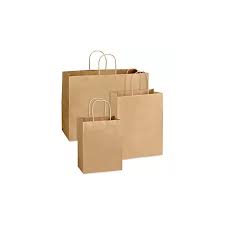
Paper bags are eco-friendly, lightweight, and versatile packaging containers made from kraft paper or other paper-based materials. They are widely used in retail, food service, shopping, agriculture, and industrial packaging due to their strength, biodegradability, and sustainability.

In recent years, paper bags have gained global importance as a replacement for plastic bags, driven by environmental regulations and consumer demand for sustainable packaging solutions. They are commonly used by supermarkets, fashion retailers, bakeries, restaurants, and delivery services.

Paper bags combine practicality with branding opportunities, making them a preferred choice for businesses aiming to promote eco-conscious packaging while maintaining product safety and presentation.


Definition of Paper Bags

Paper bags are flexible packaging containers made from strong paper materials, designed for carrying, storing, and protecting goods while offering an environmentally friendly alternative to plastic packaging.

They are typically produced using wood-based fibers derived from trees such as:

Pinus radiata
Eucalyptus globulus
Pinus sylvestris

These species are valued for their long fibers, which enhance the strength and durability of paper used in bag production.


Types of Paper Bags

1. Flat Paper Bags

  • Simple folded bags without handles
  • Used for food items, snacks, and small goods

2. SOS (Self-Opening Sack) Bags

  • Stand-up square-bottom design
  • Common in grocery stores and bakeries

3. Paper Bags with Handles

  • Twisted paper or flat handles
  • Used in retail and shopping applications

4. Luxury Paper Bags

  • Thick, laminated, and decorative
  • Used in fashion, gifts, and premium branding

5. Kraft Paper Bags

  • Made from strong brown kraft paper
  • Used for heavy-duty and industrial packaging

6. Window Paper Bags

  • Transparent window for product visibility
  • Common in food and bakery packaging

Physical Characteristics of Paper Bags

Paper bags typically feature:

  • Lightweight but strong structure
  • Natural brown or white color
  • High tensile strength depending on grade
  • Biodegradable and recyclable material
  • Printable surface for branding and marketing
  • Foldable design for easy storage and transport
  • Moisture resistance (varies with coating)

These properties make them suitable for both commercial and personal use.


Manufacturing Process of Paper Bags

The production of paper bags involves several key stages:

1. Paper Pulp Production

Wood fibers are processed into pulp using mechanical or chemical methods.

2. Paper Sheet Formation

Pulp is converted into paper sheets and dried.

3. Paper Cutting and Sizing

Sheets are cut into required dimensions for bag production.

4. Printing and Branding

Logos, designs, and product information are printed.

5. Folding and Shaping

Paper is folded into bag structure using automated machines.

6. Handle Attachment (if applicable)

Twisted or flat paper handles are attached using adhesives.

7. Bottom Sealing

The base of the bag is sealed for strength and durability.

8. Quality Inspection

Finished bags are tested for strength, alignment, and durability.


Tabulated Specification of Paper Bags

Specification Details
Product Name Paper Bags
Common Raw Materials Pinus radiata, Eucalyptus globulus, Pinus sylvestris
Product Type Eco-friendly packaging material
Structure Single or multi-layer kraft paper
Handle Types Twisted paper, flat paper, or no handle
Surface Finish Plain, printed, laminated
Strength Light to heavy-duty depending on grade
Weight Lightweight
Moisture Resistance Low to moderate (higher when coated)
Biodegradability Fully biodegradable
Recyclability Highly recyclable
Main Applications Retail, food service, shopping, packaging
Storage Conditions Dry, clean environment
Packaging Format Bundled flat packs or boxed sets
Traceability Forestry and paper production records

Uses of Paper Bags

Paper bags are widely used across industries:


1. Retail and Shopping

  • Clothing stores
  • Supermarkets
  • Gift shops

2. Food Industry

  • Bakeries and pastry packaging
  • Fast food takeout
  • Grocery packaging

3. E-Commerce

  • Product delivery packaging
  • Eco-friendly shipping bags

4. Agriculture Sector

  • Seed and fertilizer packaging
  • Small produce storage

5. Hospitality Industry

  • Takeaway food packaging
  • Hotel guest amenities packaging

6. Promotional and Branding

  • Corporate gift bags
  • Event and marketing packaging

Advantages of Paper Bags

1. Environmentally Friendly

Biodegradable and reduces plastic pollution.

2. Strong and Reliable

Can carry moderate to heavy loads depending on design.

3. Highly Customizable

Supports printing and branding for businesses.

4. Cost-Effective

Affordable for bulk production and retail use.

5. Safe for Food Packaging

Suitable for direct and indirect food contact.

6. Recyclable

Can be reused and recycled multiple times.


Economic Importance

Paper bags contribute significantly to global industries by:

  • Supporting sustainable packaging markets
  • Creating employment in paper production and printing industries
  • Driving growth in retail and food packaging sectors
  • Promoting eco-friendly business practices
  • Reducing dependency on plastic-based packaging

They are an important part of the global green economy.


Environmental Considerations

Paper bags are considered environmentally sustainable because:

  • They are made from renewable wood resources
  • They are biodegradable and recyclable
  • They reduce plastic waste pollution
  • They support sustainable forestry practices
  • They encourage circular packaging systems

Responsible sourcing further enhances environmental benefits.


Storage and Handling Guidelines

To maintain quality:

  • Store in dry and moisture-free environments
  • Avoid direct exposure to water
  • Keep away from excessive heat and sunlight
  • Stack properly to prevent bending or crushing
  • Handle carefully to avoid tearing

Proper storage ensures durability and usability.


Quality Control Standards

High-quality paper bags must meet:

  • Tensile strength and load-bearing tests
  • Seam and handle strength checks
  • Print quality and alignment standards
  • Moisture resistance evaluation
  • Dimensional accuracy verification
  • Environmental compliance certification

Conclusion

Paper bags are essential eco-friendly packaging solutions widely used across retail, food, logistics, and industrial sectors. Manufactured from renewable wood fibers sourced from trees such as Pinus radiata, Eucalyptus globulus, and Pinus sylvestris, they offer strength, versatility, and environmental responsibility.

From supermarkets and bakeries to fashion stores and delivery services, paper bags provide a practical and sustainable alternative to plastic packaging. As global demand for eco-friendly products continues to rise, paper bags remain a key driver of sustainable packaging innovation.

In essence, paper bags are not just carrying materials—they are a modern environmental solution that supports commerce, branding, and ecological balance in everyday life.

Customer Reviews

0 reviews
0
0
0
0
0

There are no reviews yet.

Be the first to review “Paper bags”

Your email address will not be published. Required fields are marked *