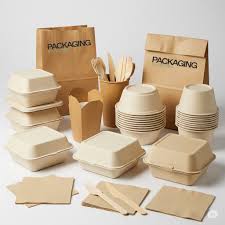
Eco-friendly packaging refers to packaging solutions that are designed to minimize environmental impact throughout their lifecycle—from production and use to disposal and recycling. These packaging materials are made from renewable, biodegradable, or recyclable resources and are developed to reduce pollution, conserve natural resources, and support sustainable consumption.
With growing global concerns about plastic waste and climate change, eco-friendly packaging has become a major innovation in industries such as food and beverage, retail, e-commerce, agriculture, cosmetics, and logistics. It focuses on replacing single-use plastics with sustainable alternatives while still maintaining product protection, durability, and visual appeal.
Eco-friendly packaging is not only an environmental solution but also a strategic business approach that enhances brand reputation and meets increasing consumer demand for sustainability.
Definition of Eco-Friendly Packaging
Eco-friendly packaging is packaging made from sustainable, recyclable, biodegradable, or compostable materials that reduce environmental harm and support responsible waste management systems.
It is commonly produced using natural fiber-based materials derived from trees such as:
Eco-friendly packaging is widely used across industries:
1. Food and Beverage Industry
Takeaway containers
Bakery packaging
Fresh produce wrapping
2. Retail Industry
Shopping bags
Product boxes
Gift packaging
3. E-Commerce and Logistics
Shipping cartons
Protective wrapping materials
Cushioning and fillers
4. Agriculture Sector
Seed packaging
Fertilizer bags
Fresh produce export packaging
5. Cosmetics and Personal Care
Sustainable product boxes
Recyclable tubes and containers
6. Industrial Applications
Component packaging
Equipment protection during transport
Advantages of Eco-Friendly Packaging
1. Environmentally Sustainable
Reduces pollution and supports conservation of natural resources.
2. Biodegradable and Recyclable
Breaks down naturally or can be reused.
3. Reduces Carbon Footprint
Uses less energy and produces fewer emissions than plastic.
4. Enhances Brand Image
Shows corporate responsibility and attracts eco-conscious consumers.
5. Versatile Applications
Suitable for many industries and product types.
6. Safe for Consumers
Often free from harmful chemicals and toxins.
Economic Importance
Eco-friendly packaging contributes significantly to global economies by:
Driving growth in sustainable manufacturing industries
Creating jobs in recycling and green technology sectors
Supporting circular economy systems
Encouraging innovation in packaging design
Reducing waste management costs for governments and businesses
It is a key driver of the global sustainability economy.
Environmental Considerations
Eco-friendly packaging is designed to:
Reduce plastic pollution in land and oceans
Promote renewable resource usage
Encourage recycling and composting systems
Lower greenhouse gas emissions
Support sustainable forestry and agriculture
Responsible sourcing and production are essential for maximizing environmental benefits.
Storage and Handling Guidelines
To maintain product quality:
Store in dry and well-ventilated areas
Avoid exposure to moisture and humidity
Protect from direct sunlight and heat
Handle carefully to prevent damage
Use proper stacking methods for bulk storage
Proper storage preserves structural integrity and usability.
Quality Control Standards
High-quality eco-friendly packaging must meet:
Strength and durability testing
Biodegradability and compostability certification
Moisture resistance evaluation
Food safety compliance (where applicable)
Dimensional accuracy and consistency checks
Printing and material quality standards
Conclusion
Eco-friendly packaging is a modern, sustainable solution designed to replace conventional plastic packaging while maintaining performance, safety, and usability. Produced from renewable wood-based fibers and plant materials such as Pinus radiata, Eucalyptus globulus, and Pinus sylvestris, it offers a responsible approach to packaging in a rapidly changing global economy.
From food services and retail to e-commerce and industrial logistics, eco-friendly packaging is transforming how goods are stored, transported, and consumed. As environmental awareness continues to grow, it stands as a key solution for reducing waste and building a sustainable future.
In essence, eco-friendly packaging is not just an alternative—it is a global shift toward responsible production, consumption, and environmental stewardship.