
Fast delivery within 72 Hours

Parboiled Rice
Contact Supplier
Supplier: tinyfrog165Phone: +33315135433
Email: yonoj89609@epaynine.com
Address: 4294 Rue Dugas-Montbel Saint-Étienne, France
Visit Supplier Store

Black Friday Blowout!
Description
Parboiled Rice – Premium Quality Grain for Nutrition, Storage, and Global Food Supply
Introduction
Parboiled rice is one of the most widely consumed and commercially valuable rice varieties in the global agricultural and food industry. Known for its enhanced nutritional value, firm texture, long shelf life, and superior cooking characteristics, parboiled rice has become a preferred choice for households, food processors, restaurants, wholesalers, and international importers. It is especially popular in Africa, Asia, the Middle East, Europe, and North America due to its durability, nutritional retention, and versatility in meal preparation.
Parboiling is a specialized hydrothermal processing method applied to rice before milling. The process involves soaking, steaming, and drying the paddy rice while the grains are still inside the husk. This treatment allows essential nutrients from the outer bran layers to migrate into the rice kernel, thereby improving the grain’s nutritional profile compared to ordinary milled white rice. After drying, the rice is milled to remove the husk and bran, producing firm, golden-colored grains with improved resistance to breakage.
Parboiled rice is highly appreciated for its ability to remain separate and fluffy after cooking. Unlike some rice varieties that become sticky or mushy, parboiled rice maintains its shape and texture, making it ideal for a wide variety of culinary applications. Its slightly golden appearance and rich aroma also contribute to its growing consumer demand in domestic and international food markets.
The rice industry values parboiled rice because of its enhanced storage stability and reduced grain breakage during milling and transportation. The parboiling process hardens the grain structure, resulting in higher milling yields and improved grain integrity. These qualities make it highly suitable for export markets where durability and long shelf life are essential.
Nutritionally, parboiled rice contains carbohydrates, proteins, dietary fiber, vitamins, and minerals that support healthy nutrition and energy production. Since the steaming process helps retain nutrients within the grain, parboiled rice is often considered healthier than regular polished white rice. It also has a lower glycemic response compared to some conventional rice varieties, making it a preferred option for health-conscious consumers.
Parboiled rice is cultivated and processed under controlled agricultural and industrial conditions to ensure purity, hygiene, and consistent quality. Modern processing facilities utilize advanced cleaning, soaking, steaming, drying, milling, grading, and packaging systems that comply with international food safety standards. Proper moisture control and hygienic handling are critical to preserving grain quality throughout storage and transportation.
The increasing global demand for rice products has strengthened the commercial importance of parboiled rice in food security, international trade, and industrial food processing. Its combination of nutritional benefits, cooking performance, and storage advantages continues to position parboiled rice as one of the most dependable and valuable staple foods worldwide.
Product Definition
Parboiled rice is rice that has undergone a hydrothermal treatment process before milling. The process includes soaking paddy rice in water, steaming the grains under pressure, and drying them before removing the husk and bran layers. This method improves the rice’s nutritional value, cooking performance, grain strength, and storage stability.
Parboiled rice is widely used for household consumption, commercial food preparation, catering services, export supply, and industrial food manufacturing. It is available in different grain sizes and grades depending on market requirements and customer preferences.
Product Features
1. Enhanced Nutritional Value
The parboiling process helps transfer vitamins and minerals from the outer bran layer into the grain, improving nutritional retention compared to regular white rice.
2. Firm and Non-Sticky Texture
Parboiled rice remains firm, fluffy, and separate after cooking, making it ideal for various dishes and large-scale food preparation.
3. Reduced Grain Breakage
The steaming process strengthens the grain structure, reducing breakage during milling, transportation, and handling.
4. Long Shelf Life
Parboiled rice has excellent storage stability and resists spoilage when properly stored under dry conditions.
5. Easy Cooking Performance
The rice cooks evenly and maintains its shape without becoming excessively soft or sticky.
6. Premium Appearance
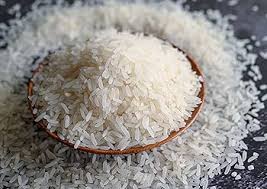
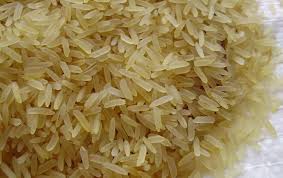
Its slightly golden or amber-colored grains provide a premium appearance that is highly accepted in many international markets.
Tabulated Product Specifications
| Parameter | Specification |
|---|---|
| Product Name | Parboiled Rice |
| Scientific Name | Oryza sativa |
| Color | Light Golden / Creamy White |
| Grain Type | Long Grain / Medium Grain |
| Processing Method | Soaked, Steamed, Dried, Milled |
| Moisture Content | Maximum 14% |
| Purity | 95% – 99% |
| Broken Grains | 5% Maximum (depending on grade) |
| Foreign Matter | 1% Maximum |
| Damaged Grains | 1% – 2% Maximum |
| Texture After Cooking | Firm and Non-Sticky |
| Shelf Life | 12 – 24 Months |
| Packaging | PP Bags / Jute Bags / Bulk |
| Packaging Sizes | 5kg, 25kg, 50kg |
| Storage Condition | Cool and Dry Place |
| Main Applications | Food Consumption |
| Quality Grade | Premium Export Grade |
| Origin | Farm Cultivated and Industrially Processed |
Nutritional Composition
Parboiled rice contains essential nutrients necessary for maintaining energy and overall health.
Carbohydrates
The rice is rich in carbohydrates, providing a reliable source of energy for daily nutritional needs.
Protein
Parboiled rice contains moderate amounts of protein that support body maintenance and muscle development.
Dietary Fiber
The grain contains dietary fiber that contributes to digestive health and improved metabolism.
Vitamins
The parboiling process helps retain B vitamins and other essential micronutrients within the grain.
Minerals
Important minerals such as magnesium, phosphorus, potassium, and iron are naturally present in parboiled rice.
Low Fat Content
Parboiled rice contains minimal fat, making it suitable for balanced and healthy diets.
Uses of Parboiled Rice
1. Household Consumption
Parboiled rice is widely used in homes around the world due to its pleasant taste, cooking convenience, and nutritional value.
Common Household Meals
- Steamed rice
- Fried rice
- Jollof rice
- Rice pilaf
- Curry rice dishes
- Rice bowls
- Rice salads
- Side dishes
Its firm texture makes it suitable for both simple and elaborate meals.
2. Restaurant and Catering Services
Hotels, restaurants, and catering companies prefer parboiled rice because it remains separate and attractive after cooking. It performs well in large-scale meal preparation and extended serving conditions.
3. Food Processing Industry
Food manufacturers use parboiled rice in packaged food products and ready-to-eat meals because of its stability and cooking consistency.
Processed Food Products
- Instant rice
- Packaged rice meals
- Frozen rice dishes
- Rice snacks
- Rice flour products
4. International Food Supply
Parboiled rice is extensively traded across global markets and serves as a major staple food in many importing countries.
5. Relief and Food Security Programs
Government agencies and humanitarian organizations often utilize parboiled rice in food aid programs because of its durability and long storage life.
Processing Method
The quality of parboiled rice depends largely on the effectiveness of the processing method.
Soaking
Paddy rice is soaked in clean water to increase moisture absorption and soften the grains.
Steaming
The soaked rice is steamed under controlled temperature and pressure conditions. This step strengthens the grain and improves nutrient retention.
Drying
The rice is dried carefully to achieve safe moisture levels for milling and storage.
Milling
After drying, the husk and bran layers are removed to produce clean parboiled rice kernels.
Grading and Packaging
The rice is sorted, graded, and packaged according to market standards and customer specifications.
Quality Assurance
Premium-quality parboiled rice undergoes rigorous quality control procedures to ensure consistency, safety, and compliance with international standards.
Quality assurance procedures include:
- Careful paddy selection
- Hygienic soaking systems
- Controlled steaming processes
- Proper drying techniques
- Mechanical cleaning and grading
- Moisture testing
- Foreign matter removal
- Packaging inspection
- Storage monitoring
These procedures help maintain grain quality and customer satisfaction.
Packaging and Storage
Parboiled rice is packaged in durable moisture-resistant materials that protect the grain during handling, transportation, and storage. Packaging options include woven polypropylene bags, jute sacks, laminated bags, and bulk container loading.
Recommended storage conditions include:
- Cool and dry warehouses
- Proper ventilation
- Low humidity
- Protection from pests
- Elevated pallet storage
- Minimal exposure to direct sunlight
Proper storage helps preserve grain quality, aroma, and shelf life.
Advantages of Parboiled Rice
Improved Nutritional Retention
The parboiling process helps preserve essential nutrients inside the rice grain.
Better Cooking Quality
The rice remains fluffy, firm, and separate after cooking.
High Milling Efficiency
Parboiled rice experiences less breakage during milling and handling.
Long-Term Storage Stability
Its resistance to spoilage makes it suitable for export and long-term storage.
Strong Global Demand
Parboiled rice is widely consumed and traded internationally due to its quality and versatility.
Export Importance
Parboiled rice is one of the most significant products in international agricultural trade. Many countries import premium-grade parboiled rice to meet food demand and support commercial food industries.
Export-quality rice must meet strict standards related to:
- Moisture content
- Grain purity
- Broken percentage
- Contamination control
- Packaging quality
- Food safety compliance
Reliable suppliers ensure:
- Consistent grain quality
- Competitive pricing
- Timely delivery
- Secure packaging
- Bulk supply capability
- International standard compliance
These qualities support long-term trade relationships and customer confidence in global markets.
Conclusion
Parboiled rice remains one of the most dependable and valuable staple foods in the global food industry. Its unique hydrothermal processing method enhances nutritional retention, improves grain strength, and provides superior cooking performance compared to regular rice varieties. The rice’s firm texture, long shelf life, reduced breakage, and attractive appearance make it highly suitable for household consumption, food service operations, industrial food processing, and international trade.
Premium-quality parboiled rice is carefully processed under hygienic and controlled conditions to ensure purity, safety, and consistency. Its rich carbohydrate content, moderate protein levels, and essential vitamins and minerals contribute to balanced nutrition and energy supply for millions of consumers worldwide.
From homes and restaurants to food industries and humanitarian programs, parboiled rice continues to play a vital role in supporting global food security and economic development. Its versatility, durability, and commercial value make it a trusted choice for importers, wholesalers, retailers, and consumers seeking high-quality rice products for diverse culinary and industrial applications.