White Maize – Premium Quality Grain for Food, Feed, and Industrial Applications
Introduction
White maize is one of the most important cereal grains cultivated and consumed across the world. Known for its clean white kernels, high nutritional value, and multiple commercial applications, white maize plays a major role in human nutrition, livestock feeding, and industrial processing. It is widely grown in tropical, subtropical, and temperate climates and serves as a staple food for millions of people, particularly in Africa, Asia, and Latin America.
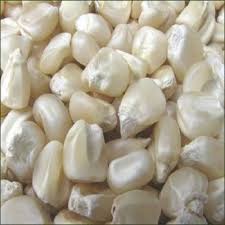
Scientifically known as Zea mays, white maize belongs to the grass family Poaceae. Unlike yellow maize, white maize lacks the carotenoid pigments responsible for yellow coloration, giving it a pale white appearance that is highly preferred in many food markets. Its mild flavor, soft texture after processing, and high starch content make it suitable for producing flour, meal, grits, starch, and several traditional food products.
White maize is recognized globally for its versatility and economic importance. It is commonly processed into maize flour used in preparing porridge, bread, tortillas, pap, ugali, nshima, and other staple meals. In addition to human consumption, white maize is used in livestock feed production and various industrial manufacturing processes. Its adaptability to different climates and farming systems has contributed to its increasing demand in both domestic and international markets.
The grain is carefully cultivated using modern agricultural methods to ensure high yield, purity, and quality consistency. After harvesting, the maize undergoes cleaning, drying, sorting, and packaging processes designed to maintain freshness and reduce contamination risks. Proper moisture control is essential to preserve the grain during transportation and long-term storage.
White maize contains high levels of carbohydrates that provide energy for both humans and animals. It also contains proteins, dietary fiber, essential minerals, and vitamins that contribute to balanced nutrition. Due to its low fat content and digestibility, it is considered an excellent food ingredient and feed component.
The commercial value of white maize continues to rise due to increasing demand from food industries, feed manufacturers, and processing companies. Modern industries utilize maize derivatives in starch production, brewing, ethanol manufacturing, biodegradable products, and pharmaceutical applications. As global populations grow and food security becomes increasingly important, white maize remains a dependable and affordable agricultural commodity capable of supporting multiple sectors.
Premium-grade white maize is supplied according to international quality standards to meet the needs of wholesalers, processors, exporters, retailers, and industrial users. Its excellent storage life, broad usability, and nutritional importance make white maize one of the most valuable cereal grains in agricultural trade today.
Product Definition
White maize is a cereal grain obtained from the mature white kernels of the maize plant (Zea mays). It is cultivated primarily for human consumption, livestock feeding, and industrial processing. The grain is valued for its high starch content, nutritional benefits, mild flavor, and versatile applications across multiple industries.
White maize is harvested, dried, cleaned, and processed under controlled conditions to ensure high purity, low moisture content, and long storage stability. It is supplied in whole grain, flour, meal, or processed forms depending on customer requirements and industrial applications.
Product Features
1. Premium White Kernels
White maize is distinguished by its bright white appearance, which is highly preferred in many food-processing industries and consumer markets.
2. High Carbohydrate Content
The grain contains high levels of starch and carbohydrates, making it an excellent source of energy for food and feed applications.
3. Versatile Applications
White maize is widely used in food processing, animal feed production, brewing, starch manufacturing, and industrial processing.
4. Mild Taste and Texture
Its neutral flavor and smooth texture after milling make it ideal for producing flour, meal, and traditional staple foods.
5. Long Shelf Life
When properly dried and stored, white maize maintains quality and freshness for extended periods without significant deterioration.
6. Easy Processing
The grain can be milled, fermented, roasted, or processed into multiple forms while maintaining nutritional integrity.
Tabulated Product Specifications
| Parameter |
Specification |
| Product Name |
White Maize |
| Scientific Name |
Zea mays |
| Color |
Natural White |
| Form |
Whole Kernel |
| Moisture Content |
Maximum 14% |
| Purity |
98% Minimum |
| Broken Kernels |
2% Maximum |
| Foreign Matter |
1% Maximum |
| Damaged Kernels |
2% Maximum |
| Protein Content |
8% – 10% |
| Carbohydrate Content |
68% – 74% |
| Fiber Content |
2% – 4% |
| Shelf Life |
12 – 24 Months |
| Packaging |
PP Bags / Jute Bags / Bulk |
| Packaging Sizes |
25kg, 50kg, 100kg |
| Storage Condition |
Cool and Dry Place |
| Quality Grade |
Premium Export Grade |
| Main Applications |
Food, Feed, Industrial Use |
| Origin |
Farm Cultivated |
Nutritional Composition
White maize provides a balanced nutritional profile that supports human and animal health. Its nutrients contribute to energy production, digestion, and overall wellbeing.
Carbohydrates
Carbohydrates represent the largest nutritional component in white maize. The grain supplies substantial energy required for daily activities and livestock growth.
Protein
White maize contains moderate protein levels that support body development, tissue maintenance, and muscle growth.
Dietary Fiber
The fiber present in maize contributes to digestive health and supports efficient nutrient absorption.
Vitamins
White maize naturally contains essential vitamins including Vitamin B-complex and Vitamin E, which assist metabolic and immune functions.
Minerals
The grain provides important minerals such as magnesium, phosphorus, potassium, zinc, and iron necessary for maintaining healthy body functions.
Uses of White Maize
1. Human Consumption
White maize is primarily cultivated for human food production in many regions around the world. It is processed into various staple foods and food ingredients.
Common Food Products
- Maize flour
- Corn meal
- Porridge
- Pap
- Ugali
- Nshima
- Tortillas
- Breakfast cereals
- Roasted maize
- Corn snacks
White maize flour is highly preferred because of its smooth texture, mild flavor, and appealing white appearance.
2. Livestock Feed Production
White maize serves as an important ingredient in animal feed formulations. It provides energy and improves feed efficiency for various livestock categories.
Poultry Feed
Maize supports healthy growth and egg production in poultry farming.
Cattle Feed
It contributes energy necessary for milk production and weight gain in cattle.
Pig Feed
Swine feed formulations often include maize because of its digestibility and nutritional value.
Aquaculture Feed
White maize is used in fish feed production to improve feed composition and energy balance.
3. Industrial Applications
White maize is an important raw material in several manufacturing industries due to its high starch concentration.
Starch Production
Maize starch is used in food processing, pharmaceuticals, paper production, textiles, and adhesives.
Ethanol Manufacturing
Industrial processors convert maize into ethanol for fuel and industrial applications.
Brewing Industry
White maize is used in breweries and distilleries as a carbohydrate source for fermentation.
Corn Oil Production
Certain parts of the maize kernel are processed to extract edible corn oil used in cooking and food manufacturing.
Biodegradable Products
Modern industries utilize maize derivatives to produce environmentally friendly biodegradable materials.
4. Pharmaceutical Industry
Maize starch and other derivatives are used as binders, fillers, and stabilizers in pharmaceutical manufacturing.
Quality Assurance
Premium white maize undergoes strict quality control procedures to ensure purity, safety, and consistency. Quality management practices include:
- Selection of quality seeds
- Proper farm management
- Controlled harvesting procedures
- Mechanical cleaning and grading
- Moisture regulation
- Impurity removal
- Hygienic handling
- Storage monitoring
- Export-standard packaging
These measures help maintain grain quality during transportation and long-term storage.
Packaging and Storage
White maize is packaged in durable materials that protect the grain from moisture, contamination, and physical damage during handling and transportation. Packaging options may include polypropylene bags, jute bags, woven sacks, and bulk container loading.
To maintain quality, white maize should be stored under appropriate conditions:
- Cool and dry environment
- Proper ventilation
- Low humidity
- Protection from pests
- Elevated pallet storage
- Minimal exposure to direct sunlight
Following recommended storage practices helps preserve nutritional value and extend shelf life.
Advantages of White Maize
High Consumer Preference
White maize is highly preferred in many regions because of its appearance, taste, and suitability for staple foods.
Excellent Processing Quality
Its starch-rich composition allows efficient milling and industrial processing.
Reliable Energy Source
The grain provides substantial energy for both food and livestock feed applications.
Broad Commercial Applications
White maize supports food industries, feed manufacturing, pharmaceutical production, brewing, and industrial processing.
Easy Storage and Transportation
Its durability and storage stability make it suitable for local distribution and international export markets.
Export Importance
White maize is an important commodity in global agricultural trade. Many countries import premium-grade maize for food processing, feed manufacturing, and industrial applications. Export-quality maize must meet international standards concerning moisture levels, purity, contamination control, and grain consistency.
Reliable suppliers ensure:
- High-quality grain selection
- Competitive pricing
- Consistent supply volumes
- Safe packaging methods
- Timely delivery
- Compliance with export regulations
These qualities help establish long-term relationships between suppliers and international buyers.
Conclusion
White maize continues to be one of the most important cereal grains in the world due to its nutritional value, versatility, and broad industrial applications. Its clean white kernels, high carbohydrate content, and adaptability make it suitable for human consumption, livestock feed production, and industrial processing. As a staple food in many countries, white maize contributes significantly to food security and economic development.
Premium-quality white maize is carefully cultivated, processed, and packaged to meet domestic and international quality standards. Its excellent shelf life, easy processing characteristics, and strong market demand make it a dependable agricultural commodity for wholesalers, processors, exporters, and manufacturers.
From flour production and traditional foods to starch manufacturing and ethanol processing, white maize continues to support numerous industries across global markets. Its affordability, nutritional benefits, and commercial value ensure that white maize remains a trusted and essential grain in modern agriculture and international trade.