Water Treatment Products – Detailed Product Description
Introduction
Water treatment products are specialized chemicals, filtration materials, purification systems, and treatment solutions designed to improve water quality by removing contaminants, harmful microorganisms, suspended particles, excess minerals, and unwanted odors or tastes. These products are widely used in domestic, industrial, agricultural, commercial, and municipal water management systems to ensure safe and clean water for various applications.
Access to clean water is essential for human health, industrial operations, agriculture, aquaculture, and environmental sustainability. Water treatment products play a crucial role in protecting public health, improving water efficiency, maintaining equipment performance, and supporting environmental conservation.
Modern water treatment technologies combine physical, chemical, and biological treatment methods to provide safe water for drinking, food processing, irrigation, manufacturing, swimming pools, aquaculture systems, and wastewater management.
Definition of Water Treatment Products
Water treatment products are substances, devices, or systems used to purify, disinfect, condition, or improve water quality for safe consumption, industrial use, environmental protection, or specialized applications.
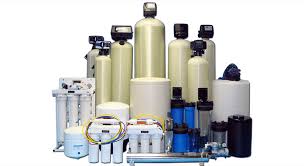
Common water treatment products include:
Activated Carbon Filter Reverse Osmosis System Chlorine Tablets
These products are used to remove physical, chemical, and biological contaminants from water sources.
Types of Water Treatment Products
1. Filtration Products
Used to remove suspended particles, sediments, and impurities.
Examples:
Sand filters
Activated carbon filters
Cartridge filters
2. Disinfection Products
Used to eliminate harmful microorganisms such as bacteria and viruses.
Examples:
Chlorine tablets
UV sterilizers
Ozone systems
3. Reverse Osmosis Systems
Advanced purification systems that remove dissolved salts and contaminants.
4. Water Softening Products
Reduce hardness caused by calcium and magnesium.
Examples:
Ion exchange resins
Water softener salts
5. pH Control Chemicals
Used to adjust water acidity or alkalinity.
6. Coagulants and Flocculants
Help remove suspended solids in water treatment processes.
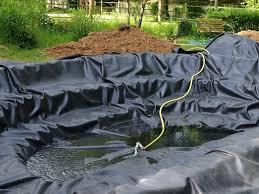
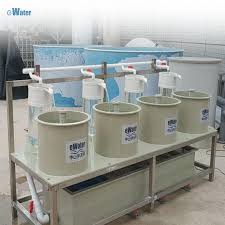
7. Aquaculture Water Treatment Products
Specialized products for maintaining healthy aquatic farming environments.
Main Components and Materials
Water treatment products may contain or utilize:
Activated carbon
Membrane filtration materials
Chlorine compounds
UV treatment technology
Ion exchange resins
Mineral treatment chemicals
Biological treatment agents
The specific materials depend on treatment objectives and water quality conditions.
Water Treatment Process Overview
Water treatment systems may involve several stages:
1. Screening and Sedimentation
Removal of large particles and debris.
2. Filtration
Removal of fine suspended particles.
3. Chemical Treatment
Addition of disinfectants or coagulants.
4. Biological Treatment
Use of microorganisms to degrade contaminants.
5. Advanced Purification
Processes such as reverse osmosis or UV sterilization.
6. Storage and Distribution
Treated water is safely stored and distributed for use.
Physical and Operational Characteristics
High-quality water treatment products typically exhibit:
Efficient contaminant removal
Reliable operational performance
Durable construction materials
Safe chemical composition
Easy installation and maintenance
Compliance with water safety standards
Tabulated Specification of Water Treatment Products
Specification
Details
Product Name
Water Treatment Products
Common Products
Activated Carbon Filter, Reverse Osmosis System
Product Type
Water purification and conditioning solutions
Main Functions
Filtration, disinfection, purification, softening
Treatment Methods
Physical, chemical, biological
Applications
Domestic, industrial, agricultural, aquaculture
Common Materials
Carbon, membranes, resins, treatment chemicals
Installation Options
Portable, residential, industrial systems
Water Sources
Groundwater, surface water, municipal water
Maintenance Requirements
Cleaning, filter replacement, chemical replenishment
Water treatment products are essential in many sectors:
1. Drinking Water Purification
Used to produce safe potable water for households and communities.
2. Industrial Water Treatment
Used in manufacturing, cooling systems, and processing industries.
3. Agricultural Irrigation
Improves water quality for crop irrigation systems.
4. Aquaculture Systems
Maintains healthy water conditions for fish and shrimp farming.
5. Swimming Pools and Recreational Facilities
Controls microorganisms and water clarity.
6. Wastewater Management
Used in treatment and recycling of wastewater.
Benefits of Water Treatment Products
1. Improved Water Safety
Helps eliminate harmful contaminants and pathogens.
2. Better Taste and Odor
Enhances drinking water quality and appearance.
3. Equipment Protection
Reduces scaling, corrosion, and system damage.
4. Environmental Protection
Supports cleaner water discharge and reduced pollution.
5. Enhanced Public Health
Reduces risk of waterborne diseases.
Economic Importance
Water treatment products contribute significantly to global economies by:
Supporting public health infrastructure
Improving industrial efficiency
Enhancing agricultural productivity
Supporting aquaculture development
Creating employment in manufacturing and environmental services industries
Growing global water challenges continue to increase demand for advanced treatment technologies.
Environmental Considerations
Responsible use of water treatment products involves:
Proper chemical handling and disposal
Energy-efficient treatment systems
Sustainable water resource management
Reduction of environmental pollution
Recycling and reuse of treated water where possible
Modern technologies increasingly emphasize eco-friendly and low-energy treatment methods.
Storage and Handling Guidelines
To maintain effectiveness and safety:
Store chemicals in cool, dry environments
Protect products from contamination and moisture
Follow manufacturer handling instructions
Replace filters and cartridges regularly
Use protective equipment when handling treatment chemicals
Proper maintenance ensures long-term performance and safety.
Quality Control Standards
High-quality water treatment products must meet:
Water safety and purification performance standards
Chemical safety regulations
Microbial reduction requirements
Equipment durability standards
Environmental compliance certifications
Quality assurance and traceability systems
Conclusion
Water treatment products are essential tools for ensuring safe, clean, and reliable water across domestic, industrial, agricultural, and environmental applications. Products such as Activated Carbon Filter, Reverse Osmosis System, and Chlorine Tablets play a crucial role in removing contaminants, improving water quality, and protecting human and environmental health.
Their applications in drinking water purification, aquaculture, wastewater management, and industrial processing highlight their importance in modern society. As global demand for clean water continues to rise, innovative and sustainable water treatment products will remain critical for public health, food production, and environmental sustainability.
In essence, water treatment products are not just purification tools—they are essential solutions that support safe water access, environmental protection, and sustainable resource management worldwide.