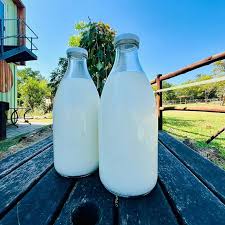
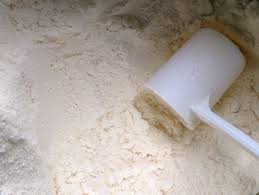
While fresh fluid milk is a premier source of nutrition, its high water content makes it heavy to transport and extremely vulnerable to microbial spoilage without continuous refrigeration. To overcome these geographic and logistical limits, the global dairy sector relies heavily on powdered milk (commercially known as dried milk or milk powder). By utilizing advanced industrial dehydration technologies, food processors extract nearly all the free moisture from fluid milk, transforming a highly perishable liquid into a stable, free-flowing, and shelf-stable dry commodity.
The industrial manufacturing of milk powder is an exceptional feat of chemical engineering. It allows surplus seasonal dairy yields to be preserved for months—or even years—without freezing or chemical preservatives.
Because it weighs roughly 90% less than its fluid equivalent, powdered milk dramatically slashes international shipping costs and carbon emissions. This efficiency makes it an indispensable asset for international food aid initiatives, emergency survival rations, specialized infant formulas, and high-volume commercial food manufacturing platforms worldwide.
Defining Powdered Milk and Commercial Formats
From a regulatory standpoint (governed by organizations like Codex Alimentarius and the USDA), powdered milk is a dry dairy commodity obtained by the partial dehydration of fluid milk derived from healthy cows.
The global dairy trade categorizes the commodity into three primary foundational profiles based on fat content and heat processing exposure:
Skim Milk Powder (SMP) / Non-Fat Dry Milk (NFDM): Processed from fluid skim milk, containing a maximum of 1.5% milkfat and a minimum of 34% protein. SMP is the global standard for international trading due to its extremely low fat levels, which make it highly resistant to lipid oxidation and grant it a shelf life exceeding two years.
Whole Milk Powder (WMP): Dried from standardized whole fluid milk, featuring a lipid content between 26% and 40% milkfat. WMP retains the rich, creamy flavor notes of fresh milk, but requires high-barrier packaging to protect its fat molecules from breaking down over time.
Instant Milk Powder: A specialized format where the dry powder particles undergo a secondary wetting and re-drying process (agglomeration). This treatment alters the physical structure of the grains, allowing them to dissolve instantly in cold water without clumping or floating on the surface.
Technical Specifications
For international food brokers, bakery ingredient buyers, and customs health inspectors, milk powder shipments must meet tight structural and chemical baselines to verify purity and processing quality.
The transformation of fluid dairy into a fine, highly soluble powder requires two distinct mechanical steps designed to remove water while protecting sensitive milk proteins from heat damage.
1. Thermal Vacuum Evaporation
Fresh fluid milk contains roughly 87% water. Spraying raw milk directly into a hot drying chamber would require an immense amount of thermal energy, which would scorch the sugars and warp the proteins. To prevent this, the fluid dairy first enters an industrial falling-film evaporator operating under a strong vacuum.
By dropping the internal air pressure inside the evaporator, the boiling point of water drops significantly—allowing the water to flash off into steam at temperatures between 50°C and 70°C. This step boils away more than half the liquid’s water content without damaging the milk’s nutritional structure, yielding a thick, creamy concentrate containing nearly 50% total solids.
2. High-Pressure Spray Atomization
The thick milk concentrate is pumped to the top of a multi-story spray drying tower. Here, it passes through an atomizer—either a high-pressure nozzle or a rapidly spinning disc rotating at up to 25,000 rpm. This mechanical force shatters the liquid stream into a fine mist of millions of microscopic droplets.
As these tiny droplets fall through the tower, they meet a powerful swirl of filtered, hot air heated to 180°C to 200°C. Because the droplets have an incredibly large surface area relative to their tiny volume, the remaining moisture evaporates almost instantly.
This rapid evaporation causes a cooling effect on the particle surfaces, keeping the actual core temperature of the milk protein from rising too high. The milk drops out of the air stream as a fine dry powder, landing cleanly at the bottom of the chamber within seconds.
Industrial Manufacturing and Preservation Flow
Manufacturing high-grade, stable powdered milk requires a continuous, highly controlled production sequence.
1.Fluid Reception and Separation:Raw Intake.
Fresh raw milk is trucked to the plant, screened for bacterial pureness, and run through centrifugal separators to split the liquid into skim milk and heavy cream, adjusting the fat content to match precise WMP or SMP targets.
2.Preheating and Pasteurization:Enzymatic Control.
The standardized fluid milk is heated using plate heat exchangers to destroy natural spoilage enzymes (lipase) and lingering bacteria. The temperature profile is carefully adjusted based on the intended use of the final powder (Low Heat, Medium Heat, or High Heat formatting).
3.Vacuum Falling-Film Evaporation:Moisture Strip.
The warm milk enters vacuum evaporation tubes where moisture flashes off safely at low temperatures. The liquid moves continuously through the system until it thickens into a heavy concentrate containing 45% to 50% solid milk particles.
4.Atomization and Spray Drying:Mist Formation.
The condensed milk is pumped under high pressure into the main spray drying tower. The liquid atomizes into millions of microscopic droplets that hit a vortex of hot air, flashing away remaining moisture instantly into a dry powder state.
5.Fluidized Bed Agglomeration and Cooling:Texture Polish.
The warm powder drops out of the drying tower onto a moving fluidized air bed. Here, a light mist of water or lecithin may be sprayed on the shifting powder grains to help them clump slightly (agglomerate), ensuring the final product dissolves easily in water.
The finished powder is funneled into heavy-duty multi-wall paper bags or retail metal tins. For whole milk powder, the containers are flushed with inert Nitrogen gas to drop residual oxygen below 1.0%, preventing fat spoilage and locking in freshness for long-term shipping.
Core Commercial Advantages
Powdered milk delivers immense strategic value across both commercial food logistics and humanitarian supply systems.
Exceptional Logistical Savings: Removing 90% of the water weight from fluid milk eliminates the need for heavy, fuel-expensive liquid transit. Milk powder can be packed tightly into conventional dry cargo containers and shipped across oceans without refrigeration, cutting distribution costs.
Essential Industrial Baking Ingredient: Commercial baking and confectionery operations rely heavily on milk powder. Adding dry milk powder to doughs, chocolates, and processed food formulations enhances crumb structure, deepens caramelization colors (via the Maillard reaction), and boosts nutritional values without altering liquid balances.
Conclusion
Powdered milk represents a pinnacle achievement in food preservation and dairy process engineering. By utilizing vacuum evaporation and high-capacity spray drying technologies, the agricultural sector successfully disconnects dairy nutrition from the limits of a short shelf life and fragile local cold chains.
Through a highly automated manufacturing sequence that carefully manages moisture levels and protects delicate protein structures, milk powder can be distributed safely across every climate zone on Earth. As global supply chains prioritize footprint reduction, shipping efficiency, and long-term food security, powdered milk will continue to serve as a primary anchor commodity connecting dairy producing regions with global consumer markets.