Soybeans – Premium Protein-Rich Agricultural Commodity for Food, Feed, and Industrial Applications
Introduction
Soybeans are among the world’s most important and widely cultivated agricultural commodities, valued for their exceptional nutritional profile, high protein content, versatility, and extensive industrial applications. As one of the leading oilseed crops globally, soybeans play a major role in food production, livestock feed manufacturing, edible oil processing, and numerous industrial sectors. Their economic significance and nutritional value have made soybeans an essential component of global agriculture and international trade.
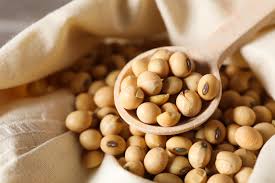
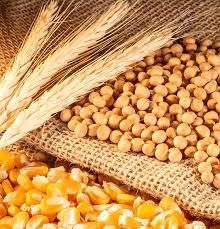
Scientifically known as Glycine max, soybeans belong to the legume family Fabaceae. The crop is cultivated extensively across North America, South America, Asia, Africa, and other agricultural regions due to its adaptability, productivity, and commercial demand. Soybeans are recognized for their round shape, smooth texture, and characteristic yellow, green, brown, or black seed colors depending on the variety.
Soybeans are highly valued because they contain high levels of protein and oil compared to many other agricultural crops. They provide essential amino acids, healthy fats, carbohydrates, dietary fiber, vitamins, and minerals necessary for balanced nutrition and industrial processing. Due to their rich protein content, soybeans serve as important raw materials in both human food products and animal feed formulations.
The versatility of soybeans contributes greatly to their global demand. In food industries, soybeans are processed into soybean oil, soy flour, soy milk, tofu, soy protein, soy sauce, textured vegetable protein, and numerous plant-based food products. The increasing popularity of vegetarian and plant-based diets has significantly expanded the market for soybean-derived foods worldwide.
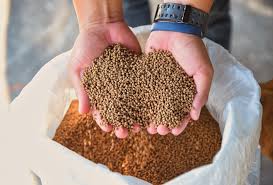
In livestock production, soybean meal remains one of the most important protein ingredients used in poultry, cattle, pig, aquaculture, and pet feed formulations. The high protein concentration and digestibility of soybean meal make it essential for supporting animal growth and productivity.
Soybeans also support various industrial sectors. Soy derivatives are used in biodiesel production, cosmetics, pharmaceuticals, adhesives, inks, plastics, textiles, and biodegradable industrial products. The crop therefore contributes significantly to sustainable manufacturing and renewable resource development.
Modern soybean cultivation involves advanced agricultural techniques, improved seed varieties, irrigation systems, and efficient harvesting methods to ensure high yields and consistent quality. After harvesting, soybeans undergo cleaning, drying, grading, processing, and packaging to meet domestic and international market standards. Proper moisture control and storage practices help maintain freshness and prevent spoilage during transportation and long-term storage.
The increasing global demand for protein-rich foods, edible oils, livestock feed, and renewable industrial materials continues to strengthen soybean importance in world agriculture. Today, soybeans remain indispensable agricultural commodities supporting nutrition, food security, industrial manufacturing, and economic development worldwide.
Product Definition
Soybeans are edible legume seeds obtained from the soybean plant (Glycine max), cultivated primarily for food, feed, oil extraction, and industrial applications. They are nutrient-rich oilseeds characterized by high protein and oil content, making them valuable raw materials for food processing, livestock nutrition, and industrial manufacturing.
Soybeans are supplied in whole, processed, roasted, meal, flour, oil, or derivative forms depending on market demand and industrial applications.
Product Features
1. High Protein Content
Soybeans are one of the richest plant-based protein sources used in food and feed industries worldwide.
2. Rich Oil Content
The seeds contain valuable vegetable oil widely used in cooking and industrial manufacturing.
3. Versatile Applications
Soybeans support food production, livestock feed manufacturing, oil extraction, and industrial processing.
4. Nutrient-Rich Composition
The crop contains proteins, healthy fats, carbohydrates, dietary fiber, vitamins, and minerals essential for balanced nutrition.
5. Plant-Based Food Ingredient
Soybeans are widely used in vegetarian, vegan, and plant-based food products.
6. Long Storage Stability
Properly dried soybeans maintain quality and nutritional value during extended storage and transportation.
Tabulated Product Specifications
| Parameter |
Specification |
| Product Name |
Soybeans |
| Scientific Name |
Glycine max |
| Product Type |
Oilseed Legume |
| Color |
Yellow / Green / Brown / Black |
| Shape |
Round / Oval |
| Moisture Content |
Maximum 13% |
| Purity |
98% Minimum |
| Protein Content |
35% – 42% |
| Oil Content |
18% – 22% |
| Fiber Content |
4% – 7% |
| Foreign Matter |
1% Maximum |
| Damaged Seeds |
2% Maximum |
| Shelf Life |
12 – 24 Months |
| Packaging |
PP Bags / Bulk Containers |
| Packaging Sizes |
25kg, 50kg, Bulk Loads |
| Storage Condition |
Cool and Dry Place |
| Main Applications |
Food, Feed, Oil Extraction |
| Quality Grade |
Premium Export Grade |
| Origin |
Farm Cultivated |
Nutritional Composition
Soybeans provide essential nutrients necessary for healthy living and industrial food production.
Protein
Soybeans contain high-quality plant proteins that support muscle development, body maintenance, and balanced nutrition.
Healthy Fats
The seeds contain beneficial unsaturated fats commonly used in edible oil production.
Carbohydrates
Soybeans provide carbohydrates necessary for energy production and metabolism.
Dietary Fiber
Fiber contributes to digestive health and improved nutrient absorption.
Vitamins
Soybeans contain vitamins such as:
- Vitamin B Complex
- Vitamin K
- Folate
Minerals
Essential minerals naturally present in soybeans include:
- Iron
- Calcium
- Magnesium
- Potassium
- Phosphorus
- Zinc
Uses of Soybeans
1. Human Food Production
Soybeans are widely processed into nutritious food products consumed worldwide.
Common Soy Food Products
- Soy milk
- Tofu
- Soy flour
- Soy protein
- Soy sauce
- Tempeh
- Soy snacks
- Plant-based meat alternatives
The increasing popularity of plant-based diets continues to expand soybean food applications.
2. Edible Oil Production
Soybean oil is one of the most widely consumed vegetable oils globally.
Oil Applications
- Cooking oil
- Margarine
- Salad dressings
- Processed food ingredients
3. Livestock Feed Production
Soybean meal serves as a high-protein feed ingredient for livestock and poultry.
Feed Applications
- Poultry feed
- Cattle feed
- Pig feed
- Fish feed
- Pet food
4. Industrial Applications
Soybean derivatives support various industrial manufacturing sectors.
Industrial Uses
- Biodiesel production
- Cosmetics
- Pharmaceuticals
- Adhesives
- Printing inks
- Biodegradable plastics
- Textile processing
5. Health and Wellness Products
Soy-based ingredients are used in nutritional supplements and functional foods.
Cultivation and Processing
The quality of soybeans depends on proper agricultural methods and post-harvest handling.
Land Preparation
Farmers prepare fertile soil suitable for soybean cultivation and high productivity.
Planting
Quality soybean seeds are planted under favorable climatic conditions to ensure healthy crop growth.
Harvesting
Soybeans are harvested at maturity to maintain seed quality and minimize losses.
Drying
The harvested beans are dried carefully to reduce moisture and improve storage stability.
Cleaning and Grading
The seeds undergo cleaning, sorting, and grading to remove impurities and maintain consistency.
Packaging
Processed soybeans are packaged hygienically to preserve freshness and product quality.
Quality Assurance
Premium soybeans undergo strict quality control procedures to ensure purity, consistency, and safety.
Quality assurance measures include:
- Selection of quality seed varieties
- Hygienic cultivation methods
- Moisture testing
- Impurity removal
- Nutritional analysis
- Contamination control
- Packaging inspection
- Storage monitoring
- Export compliance checks
These procedures help maintain premium product standards and customer satisfaction.
Packaging and Storage
Soybeans are packaged using durable moisture-resistant materials designed to protect quality during transportation and storage.
Common packaging options include:
- Polypropylene bags
- Jumbo bags
- Bulk containers
- Silo storage systems
Recommended storage conditions include:
- Cool and dry environment
- Proper ventilation
- Low humidity
- Protection from pests
- Avoidance of direct sunlight
- Elevated pallet storage
Proper storage practices help preserve nutritional integrity and shelf life.
Advantages of Soybeans
High Protein Value
Soybeans provide one of the highest protein concentrations among plant-based crops.
Broad Commercial Applications
The crop supports food industries, feed production, oil extraction, and industrial manufacturing.
Economic Importance
Soybeans contribute significantly to global agriculture, trade, and industrial economies.
Sustainable Agricultural Crop
Soybeans support crop rotation systems and improve soil fertility through nitrogen fixation.
Growing Global Demand
Increasing demand for plant-based foods and renewable materials continues to strengthen soybean markets worldwide.
Export Importance
Soybeans are among the most internationally traded agricultural commodities worldwide.
Export-quality soybeans must comply with international standards regarding:
- Moisture content
- Seed purity
- Protein levels
- Oil content
- Packaging quality
- Contamination control
- Food safety regulations
Reliable suppliers ensure:
- Consistent seed quality
- Hygienic processing
- Competitive pricing
- Timely delivery
- Secure packaging
- Bulk supply capability
These factors help establish strong customer confidence and long-term trade relationships.
Conclusion
Soybeans remain one of the most valuable and versatile agricultural commodities in global food systems and industrial markets. Their exceptional protein content, oil value, nutritional richness, and broad industrial applications make them indispensable for food production, livestock feeding, oil processing, and sustainable manufacturing industries.
Premium-quality soybeans are carefully cultivated, processed, and packaged to maintain purity, freshness, and nutritional integrity. From plant-based foods and edible oils to livestock feed and industrial materials, soybeans continue to support nutrition, food security, agricultural development, and economic growth worldwide.
As global demand for protein-rich foods, renewable industrial resources, and sustainable agricultural products continues to rise, soybeans remain trusted commodities for farmers, manufacturers, wholesalers, exporters, and consumers across international markets.