The Nutritional Powerhouse: An Industrial Profile of Sardines
Introduction
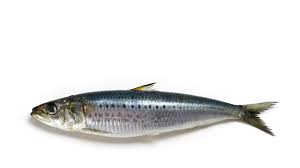
In the global seafood marketplace, sardines (a broad term encompassing various species within the Clupeidae family, most notably Sardina pilchardus and Sardinops sagax) occupy a unique position. Often overlooked in favor of larger predatory species, sardines are, in fact, the engine of the marine food web. They are small, short-lived, schooling pelagic fish that consume primary producers like phytoplankton and zooplankton, efficiently converting energy from the base of the ocean’s food chain into high-density protein and essential fatty acids.
From an industrial perspective, sardines are a masterpiece of “high-volume, high-value” processing. They are harvested in massive quantities using purse-seine gear and transformed into shelf-stable, nutrient-dense products that serve as a critical food source in diverse cultures ranging from the Mediterranean to West Africa and East Asia. The industrialization of the sardine—from the precise management of net-to-ship logistics to the sophisticated retorting (canning) processes—ensures that these fragile, oily fish are preserved with their nutritional integrity completely intact.
Defining the Product
Sardines are defined by their silver-scaled, streamlined bodies and their high concentrations of healthful fats. Because they are low on the trophic level, they accumulate far fewer heavy metals (like mercury) than larger, long-lived predators like tuna or swordfish. This makes them one of the most reliable and safe sources of high-quality marine protein available.
Commercially, sardines are processed into three primary industrial categories:
Canned (Oil/Brine/Tomato Sauce): The dominant global format. The fish are headed, gutted, and steamed before being packed into cans, which are then vacuum-sealed and sterilized (retorted). This process locks in the omega-3 profile and softens the bones, making them entirely edible and a massive source of dietary calcium.
Frozen/Fresh Market: In regions near the landing sites, sardines are sold whole and fresh. This is a highly time-sensitive trade, as the high oil content of the fish causes it to degrade (oxidize) rapidly once removed from the water.
Meal and Oil (Reduction): A significant portion of the global sardine catch—particularly those harvested in South America—is processed into fishmeal and fish oil. These products are the foundational ingredients for high-performance aquaculture feed (for salmon and tilapia) and livestock nutrition, demonstrating the sardine’s role in the wider food economy.
Industrial Specification Matrix
Because sardines are “fatty” fish, their quality is governed by the rate of lipid oxidation. Industrial processors must use stringent time-temperature protocols to keep the product within safety limits.
Specification Parameter
Targeted Industrial Baseline
Verification Methodology
Moisture Content
$65.0% – 70.0%$
Forced-Air Oven Drying
Crude Protein
Minimum $18.0% – 22.0%$
Kjeldahl Combustion Assay
Total Lipid (Fat)
$5.0% – 15.0%$ (Seasonal fluctuation)
Soxhlet Lipid Extraction
Peroxide Value (PV)
< 3 meq/kg (Freshness indicator)
Iodometric Titration
Histamine Levels
< 50 ppm (Critical safety lock)
ELISA / HPLC Screening
Calcium Content
> 300 mg / 100g (Bone-in product)
Atomic Absorption Spectroscopy
Sterility (Canned)
Commercially Sterile
Retort Heat Penetration Mapping
Storage Temperature
Ambient (Canned) / $leq -25^circtext{C}$ (Frozen)
Continuous Data Logging
Industrial Applications and Food Systems
Sardines are one of the most efficient tools for global nutrition. Their industrial utility is defined by their portability and extreme nutrient density.
Global Shelf-Stable Security: Canned sardines are the gold standard for long-term food stability. By packing the fish in their own oils and sealing them in airtight cans, processors create a protein source that remains nutritionally stable for three to five years, even without refrigeration. This makes them a vital pillar of international food aid and urban food security.
Calcium-Dense Nutrition: Because sardines are often canned with their bones intact and softened by the pressure-cooking process, they provide a significant source of highly bioavailable calcium, which is rare in other fish products.
Nutraceutical and Functional Ingredients: The sardine industry is a major supplier of high-quality EPA and DHA. Sardine oil is easily refined, providing a clean, low-toxin source of omega-3s that are used in everything from heart-health supplements to enriched baby formulas.
The “Clean-Label” Culinary Trend: As modern consumers look for “real food,” sardines have experienced a resurgence in gourmet markets. Their strong, distinctive taste is being leveraged by high-end chefs as a “flavor bomb” in pastes, salads, and innovative tapas dishes, driving new growth in the premium canned sector.
The Engineering of “Canned Freshness”
The industrial canning process for sardines is a sophisticated exercise in thermodynamic control. It is designed to kill bacteria while preserving the delicate texture of the fish.
Pre-cooking and Dehydration:
Before being placed in cans, sardines are often passed through a steam-tunnel or a brine-bath. This is not just for flavor; it is a critical industrial step that firm-up the meat and dehydrates the surface of the fish. This dehydration prevents the sardines from releasing excess water into the can, which would otherwise result in a “soupy” texture and compromise the quality of the packing oil or sauce.
Vacuum-Retorting (The Safety Lock):
Once the sardines are in the can and the sauce or oil is added, the cans are sealed in a vacuum-closing machine. They then enter the Retort. This is a massive, pressurized industrial oven that raises the temperature inside the can to 121°C. This specific temperature is required to destroy the spores of Clostridium botulinum. The pressure in the retort prevents the cans from exploding due to internal steam buildup, and the precise control of the cycle ensures that the fish are perfectly cooked through without turning into a mushy puree.
Sustainability and The Schooling Strategy
Sardine fisheries are among the most dynamic and complex to manage. Because the populations fluctuate wildly in response to ocean currents and climate cycles, the industry has adopted “Adaptive Management” strategies.
Real-Time Biomass Tracking: Modern sardine fleets use satellite telemetry and acoustic surveying to track schools in real-time. This ensures that the total catch is scaled to the actual size of the school, preventing over-exploitation during years when the population might be lower.
Gear Selectivity: The use of purse-seine nets has been modernized with “bycatch-exclusion” technology. LED lights and escape panels are incorporated into the nets to attract only the target sardine schools, while allowing non-target species—like sea birds or juvenile tuna—to exit the net safely.
Radical Traceability: Sardine processors are increasingly adopting “Digital Tally” systems. Every case of sardines can be tracked back to the exact vessel, the landing date, and the production line. This is crucial for satisfying international retailers who demand proof of sustainable harvesting practices.
Conclusion
Sardines are the quiet giants of the global seafood industry. They represent an incredibly efficient bridge between the raw energy of the ocean and the industrial requirements of modern, shelf-stable, and high-nutrition food systems. While they may be small in size, the industrial infrastructure required to bring them from the open sea to a retail shelf is immense, involving a sophisticated sequence of high-speed harvesting, precise steam-cooking, and rigorous retorting.
As the world’s population continues to grow, the importance of sardines will only increase. Their role in providing low-cost, high-density protein and essential omega-3 fatty acids—without the heavy environmental footprint of oceanic predators—makes them a vital cornerstone of future food security. Through data-driven stock management, innovative processing technology, and an unwavering commitment to safety and quality, the sardine industry will continue to serve as one of the most efficient, sustainable, and essential participants in the global diet, providing a “silver spark” of nutrition for generations to come.