In the hierarchy of global seafood, tuna (Thunnus and Katsuwonus species) stands as the undisputed titan of the high seas. Renowned for their incredible speed, muscular power, and immense size, tuna are the ultimate pelagic predators. From the highly prized Bluefin to the prolific Skipjack, tuna are not merely a commodity; they are an essential pillar of global food security, culinary culture, and sophisticated maritime logistics. Unlike the sedentary or farm-raised species that dominate the aquaculture sector, tuna are wild-caught oceanic wanderers, requiring a highly specialized industrial infrastructure to track, capture, process, and distribute.
The industrialization of tuna represents one of the most advanced applications of cold-chain technology and thermal processing engineering. Because tuna are warm-blooded (endothermic) fish capable of maintaining body temperatures higher than the surrounding water, their metabolic rate is exceptionally high. This makes the fish inherently fragile post-mortem; their enzymes and lipids begin to break down the moment they are harvested. Consequently, the journey of a tuna from the deep ocean to a retail shelf is a feat of precision engineering, balancing extreme temperature management with complex shelf-stable preservation methods.
Defining the Product
Tuna are biologically unique among finfish, possessing a dense, highly vascularized muscle structure that is rich in myoglobin. This gives the meat its characteristic deep-red color and meaty, robust texture. Commercially, the product is categorized by both its species and its intended industrial application:
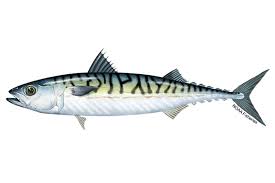
Skipjack (Katsuwonus pelamis): The backbone of the canning industry. It is the most abundant tuna, prized for its high volume and suitability for mass-market, shelf-stable canned products.
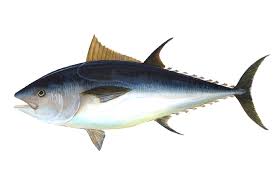
Yellowfin (Thunnus albacares): The preferred “middle-ground” tuna, used for both high-end fresh loin trade and mid-range canned or pouched items. It offers a firm texture and a clean, light flavor profile.
Bluefin and Bigeye (Thunnus thynnus/obesus): The pinnacle of the fresh-fish market. These species are characterized by extremely high lipid content and are primarily destined for the high-end sashimi and sushi trade, where their texture and marbling are paramount.
The commercial formats are equally diverse:
Canned/Pouched: Cooked, sterilized, and hermetically sealed. This is the primary industrial output, engineered for multi-year shelf stability.
Frozen Loins/Saku Blocks: Flash-frozen at ultra-low temperatures (often $-60^circtext{C}$), designed to maintain the “sushi-grade” color and integrity required for the high-end foodservice market.
Fresh Chilled: The premium, time-sensitive format, air-freighted globally to ensure it reaches its destination within 48–72 hours of harvest.
Industrial Specification Matrix
Tuna quality is governed by the need to prevent lipid oxidation and the build-up of histamines, requiring some of the most stringent specifications in the seafood industry.
Specification Parameter
Targeted Industrial Baseline
Verification Methodology
Moisture Content
$70.0% – 75.0%$
Forced-Air Oven Drying
Crude Protein
Minimum $22.0% – 28.0%$
Kjeldahl Combustion Assay
Total Lipid (Fat)
$0.5% – 15.0%$ (Species dependent)
Soxhlet Lipid Extraction
Histamine Level
$< 50 text{ ppm}$ (Strict Safety Ceiling)
ELISA Screen / HPLC
Mercury (Hg) Content
$< 1.0 text{ mg/kg}$ (Regulatory limit)
Inductively Coupled Plasma (ICP-MS)
Color Score (Lab)*
Standardized redness/brightness
Digital Chroma-meter Analysis
Freezing Temp (Loins)
$-60^circtext{C}$ (Ultra-low)
Continuous Data Logger
Sterility (Canned)
Commercially Sterile (No pathogens)
Autoclave Process Validation
Industrial Applications and Food Systems
Tuna is uniquely versatile, serving as a primary protein in both the survival-focused pantry and the high-end luxury dining sector.
Global Protein Stability: Canned tuna is one of the most efficient ways to deliver shelf-stable, high-quality animal protein. Its ability to provide essential amino acids without the need for refrigeration makes it a cornerstone of emergency food aid, military rations, and low-cost nutrition in urban food deserts.
The Sashimi/Sushi Gold Standard: For high-end foodservice, tuna is the defining ingredient. The industrial challenge here is maintaining the “color-lock.” By using ultra-low-temperature (ULT) freezers, the industry prevents the formation of ice crystals that would destroy the meat’s cellular integrity, ensuring that when the fish is thawed, it retains the texture of fresh-caught tuna.
Health and Nutraceutical Integration: Tuna trimmings are a critical raw material for fish oil extraction. The industry extracts EPA and DHA from the oil-rich parts of the fish, which are then refined for the global cardiovascular health supplement market.
Industrial Ingredient Manufacturing: Tuna protein hydrolysate—a processed form of tuna protein—is becoming a popular ingredient in the sports nutrition industry. It provides a highly digestible, rapid-absorption protein source for athletes, free from the common allergens found in dairy or soy proteins.
The Bio-Engineering of “Sashimi-Grade” Quality
The tuna industry is one of the few sectors that utilizes “ultra-low-temperature” (ULT) freezing as a standard operational procedure. While most commercial frozen foods are held at $-18^circtext{C}$, premium tuna loins are held at $-60^circtext{C}$.
Why -60°C?
At $-18^circtext{C}$, the enzymes and oxidative processes responsible for browning (the conversion of bright red myoglobin to brown metmyoglobin) continue to function, albeit slowly. At $-60^circtext{C}$, these biochemical reactions are essentially halted. This allows the industry to store tuna for months while maintaining the brilliant, vibrant red color that sushi chefs demand. This is not just a cosmetic standard; it is a marker of freshness and nutritional density.
Thermal Inactivation (The Canning Process):
For the canning industry, the tuna undergoes a double-thermal process. First, the tuna are pre-cooked in steam ovens to facilitate easy cleaning and separation of the bones. Second, after the cans are filled and sealed, they are subjected to an industrial autoclave (retort). This process achieves “commercial sterility,” destroying all heat-resistant spores, including Clostridium botulinum, ensuring that the tuna remains safe for years, even in tropical storage environments.
Sustainability and The Migratory Challenge
Tuna are a global asset, and their management is subject to the strictest international oversight. Regional Fisheries Management Organizations (RFMOs) monitor the global stocks of tuna, setting strict catch limits and controlling the use of FADs (Fish Aggregating Devices).
FAD Technology: Modern tuna vessels use high-tech, satellite-linked FADs to track the movement of migratory schools. While highly efficient, the industry is increasingly using these devices to collect data on the biomass of non-target species, allowing captains to avoid areas with high bycatch, such as sea turtles or juvenile fish.
Observer Programs: Human and electronic observer programs (EOP) are now mandatory on large-scale industrial tuna vessels. High-definition cameras monitor the nets, and AI software analyzes the catch to provide real-time reporting of sustainability metrics, ensuring that the tuna industry complies with international conservation laws.
Traceability and Transparency: The tuna industry has been at the forefront of the “sea-to-shelf” movement. Using blockchain technology, consumers can scan a QR code on a tuna can and view the exact vessel that caught the fish, the location of the catch, and the date of the processing. This level of radical transparency is helping to rebuild consumer trust in one of the world’s most scrutinized industries.
Conclusion
Tuna is the quintessential oceanic commodity. It balances the rugged, wild nature of high-seas harvesting with the precision, safety, and technological sophistication of modern food science. Whether it is an ultra-premium Bluefin loin destined for a high-end sushi bar or a can of Skipjack used in a family kitchen, tuna provides a unique combination of high-density protein and nutritional profile that is difficult to replicate with other species.
As the industry advances, the focus remains on the “triple bottom line”: economic viability, environmental conservation, and human food safety. Through the use of ULT freezing technology, strict autoclave sterilization, and radical supply chain transparency, the tuna industry ensures that this vital oceanic resource is delivered safely and efficiently to a hungry world. The future of tuna will depend on the continued integration of science-based catch limits and smart-technology processing, keeping this magnificent fish at the center of the global diet for generations to come.