School uniforms are standardized sets of clothing worn by students attending educational institutions. They are designed to create a consistent dress code across all learners in a school, regardless of personal background, fashion preference, or socioeconomic status.
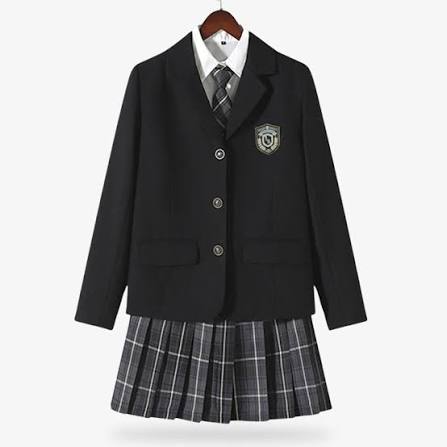
A typical school uniform may include items such as shirts, trousers, skirts, dresses, blazers, ties, socks, and footwear, depending on the school’s regulations. These garments are usually made from durable, easy-to-maintain fabrics suitable for daily use.
—
2. INTRODUCTION TO SCHOOL UNIFORMS
School uniforms have long been a part of the education system in many countries. Their use dates back several centuries, originally introduced in formal schools to promote discipline, equality, and order among students.
In modern education systems, school uniforms remain widely used in both public and private schools. They serve not only as clothing but also as a symbol of identity, unity, and institutional pride.
Different schools adopt different uniform styles based on climate, culture, and institutional values. Some schools prefer formal uniforms with blazers and ties, while others use more relaxed designs suitable for warm climates, such as short-sleeved shirts and lightweight trousers or skirts.
—
3. TABULATED SPECIFICATION OF SCHOOL UNIFORMS
| SPECIFICATION CATEGORY | DETAILS |
|————————|———|
| Product Type | Standardized institutional clothing |
| Garment Components | Shirt, trousers/skirt, blazer, tie, socks |
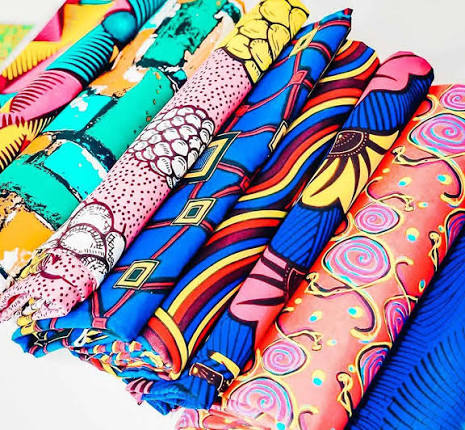
| Fabric Types | Cotton, polyester, cotton blends, wool blends |
| Design Style | Formal or semi-formal depending on institution |
| Color Scheme | Defined by school (often single or two-tone colors) |
| Fit Types | Regular fit (standard sizing for students) |
| Durability | High (designed for daily wear) |
| Comfort Level | Medium to high depending on fabric choice |
| Breathability | High in cotton-based uniforms |
| Maintenance | Easy to moderate (washing and ironing required) |
| Usage Frequency | Daily school attendance |
| Seasonal Variants | Summer uniforms and winter uniforms |
—
4. COMPONENTS OF SCHOOL UNIFORMS
4.1 SHIRT OR BLOUSE
Usually the main upper garment, made from breathable cotton or blended fabric. It may be short-sleeved or long-sleeved depending on climate and school policy.
4.2 TROUSERS OR SKIRTS
Boys typically wear trousers, while girls may wear skirts, dresses, or trousers depending on school rules. These are designed for comfort and durability.
4.3 BLAZER OR SWEATER
Used in colder seasons or for formal school appearances. Often carries the school emblem or badge.
4.4 TIE OR NECK ACCESSORY
In more formal school systems, ties are part of the uniform and represent school identity through colors and patterns.
4.5 FOOTWEAR AND SOCKS
Schools often specify black or brown shoes with matching socks to maintain uniform appearance.
4.6 SCHOOL BADGE OR LOGO
A key identity element usually sewn or attached to shirts or blazers.
—
5. MATERIALS USED IN SCHOOL UNIFORMS
– Cotton: breathable and comfortable for daily wear
– Polyester: durable and wrinkle-resistant
– Cotton-polyester blends: balance of comfort and strength
– Wool blends: used in colder climates for blazers and sweaters
– Twill fabric: commonly used for trousers and skirts due to durability
—
6. PURPOSE AND FUNCTIONS OF SCHOOL UNIFORMS
6.1 PROMOTION OF EQUALITY
Uniforms reduce visible economic differences among students, helping to create a more equal learning environment.
6.2 DISCIPLINE AND STRUCTURE
They encourage discipline and a sense of responsibility, preparing students for formal environments later in life.
6.3 SCHOOL IDENTITY
Uniforms help students represent their school and create a sense of belonging and pride.
6.4 SECURITY AND IDENTIFICATION
They make it easier to identify students during school hours and school-related activities.
6.5 REDUCTION OF DISTRACTIONS
Uniforms reduce focus on fashion competition, helping students concentrate more on academics.
—
7. TYPES OF SCHOOL UNIFORMS
7.1 FORMAL SCHOOL UNIFORM
Includes shirts, ties, blazers, and trousers or skirts. Common in private and international schools.
7.2 CASUAL SCHOOL UNIFORM
Simplified uniforms such as polo shirts and trousers, used in less formal educational settings.
7.3 SPORTS UNIFORM (PE KIT)
Designed for physical education activities, usually made from lightweight and flexible materials.
7.4 WINTER UNIFORM
Includes sweaters, jackets, and thicker fabrics for cold weather.
7.5 SUMMER UNIFORM
Lightweight cotton-based clothing designed for hot climates.
—
8. ADVANTAGES OF SCHOOL UNIFORMS
– Promotes equality among students
– Builds school identity and unity
– Reduces clothing-related peer pressure
– Encourages discipline and order
– Easier daily clothing decisions for students
– Enhances school professionalism
—
9. LIMITATIONS OF SCHOOL UNIFORMS
– Limits personal expression and individuality
– Can be costly for some families
– May be uncomfortable if fabric is not suitable for climate
– Requires regular washing and ironing
– Does not fully eliminate social differences
—
10. CONCLUSION
School uniforms play an important role in the education system by promoting equality, discipline, and unity among students. They help create a structured learning environment where students can focus more on academics rather than fashion differences.
Although they may limit personal expression and sometimes add financial pressure on families, their overall benefits in terms of identity, order, and professionalism make them a widely accepted part of schooling worldwide.
As education systems evolve, school uniforms continue to adapt in design, fabric, and comfort, ensuring they remain practical and relevant in modern learning environments.