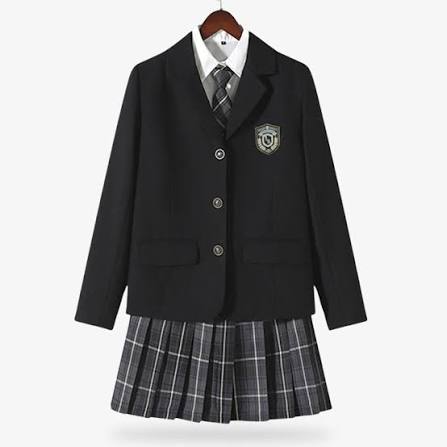
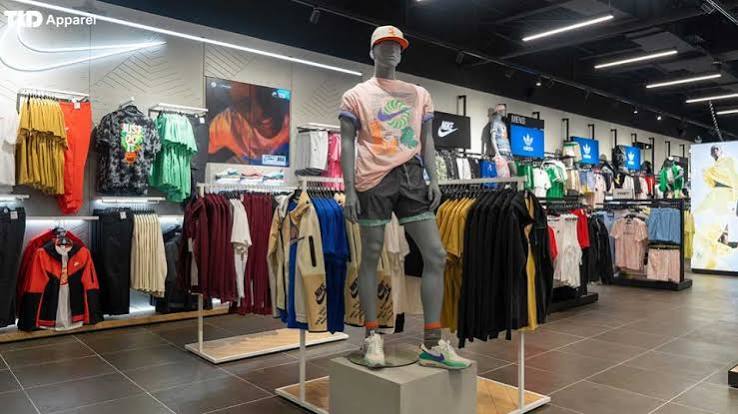
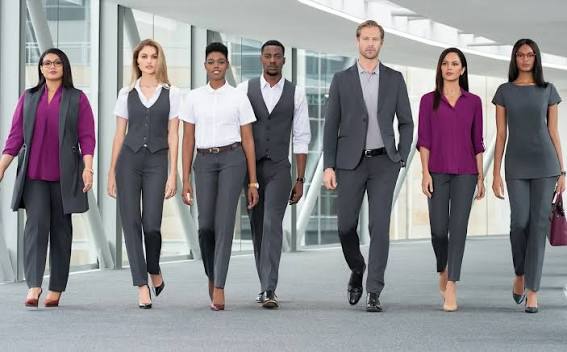
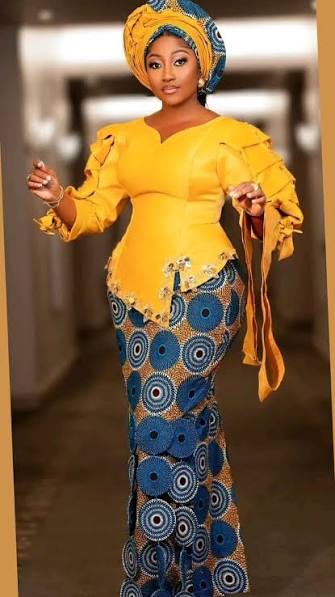
Corporate wear refers to a category of formal and semi-formal clothing designed specifically for professional, business, and office environments. It includes garments that present a clean, structured, and polished appearance suitable for workplace settings.
Corporate wear typically consists of suits, shirts, trousers, blouses, skirts, blazers, dresses, and formal shoes. The overall aim is to create a professional image that reflects discipline, confidence, and organizational identity.
Unlike casual clothing, corporate wear follows specific dress codes that vary depending on the industry, company culture, and level of formality required.
—
2. INTRODUCTION TO CORPORATE WEAR
Corporate wear has become an essential part of modern professional life. As workplaces evolved into structured environments, clothing began to play an important role in representing professionalism and corporate identity.
Historically, formal suits and structured dresses were the standard in business environments. Over time, however, workplace dress codes have diversified, giving rise to business formal, business professional, business casual, and smart casual categories.
Today, corporate wear is not only about appearance but also about comfort, functionality, and brand identity. Many companies use uniforms or dress guidelines to create consistency among employees and strengthen corporate branding.
Corporate wear also influences first impressions in business meetings, interviews, and client interactions, making it a key element in professional success.
—
3. TABULATED SPECIFICATION OF CORPORATE WEAR
| SPECIFICATION CATEGORY | DETAILS |
|————————|———|
| Product Type | Professional/business clothing category |
| Fabric Types | Cotton, polyester, wool, silk, blended fabrics |
| Design Style | Formal, semi-formal, structured tailoring |
| Fit Types | Slim fit, regular fit, tailored fit |
| Color Palette | Neutral tones (black, navy, grey, white, beige) |
| Garment Components | Suits, shirts, blouses, trousers, skirts, dresses |
| Footwear Types | Formal leather shoes, heels, loafers |
| Breathability | Medium to high depending on fabric |
| Durability | High (designed for repeated office use) |
| Maintenance | Medium (ironing and dry cleaning often required) |
| Usage Frequency | Daily or weekly office wear |
| Industry Use | Corporate offices, banking, hospitality, administration |
—
4. TYPES OF CORPORATE WEAR
4.1 BUSINESS FORMAL WEAR
Business formal wear is the most structured form of corporate dressing. It includes full suits, ties, formal shirts, and polished shoes. It is commonly used in banking, law, finance, and high-level corporate meetings.
4.2 BUSINESS PROFESSIONAL WEAR
This style is slightly less strict than business formal. It includes blazers, dress trousers, skirts, and button-down shirts without necessarily requiring a full suit.
4.3 BUSINESS CASUAL WEAR
Business casual blends professionalism with comfort. It includes chinos, polo shirts, blouses, and smart dresses without ties or full suits.
4.4 SMART CASUAL WEAR
Smart casual is a modern dress code that allows more flexibility while maintaining a neat appearance. It includes well-fitted jeans, shirts, blazers, and stylish footwear.
4.5 CORPORATE UNIFORMS
Some companies provide standardized uniforms to employees, especially in hospitality, airlines, and retail sectors, to maintain brand identity.
—
5. MATERIALS USED IN CORPORATE WEAR
– Cotton: breathable and comfortable for daily office wear
– Polyester: durable, wrinkle-resistant, and easy to maintain
– Wool: commonly used in suits and blazers for structure and warmth
– Silk: used in premium blouses, ties, and scarves
– Blended fabrics: combine comfort, durability, and cost efficiency
– Linen: used in warm climates for lightweight corporate clothing
—
6. PURPOSE OF CORPORATE WEAR
6.1 PROFESSIONAL IDENTITY
Corporate wear helps individuals present a professional image that reflects competence and seriousness in the workplace.
6.2 BRAND REPRESENTATION
In many organizations, corporate wear acts as a visual representation of the company’s brand, culture, and values.
6.3 DISCIPLINE AND UNIFORMITY
Dress codes help maintain discipline and reduce distractions in professional environments.
6.4 FIRST IMPRESSIONS
Corporate wear plays a major role in interviews, meetings, and client interactions by creating a positive first impression.
6.5 WORKPLACE EQUALITY
Uniform dress standards reduce visible differences in employee status based on clothing.
—
7. ADVANTAGES OF CORPORATE WEAR
– Creates professional appearance
– Enhances confidence in workplace settings
– Builds strong company identity
– Encourages discipline and focus
– Suitable for formal communication environments
– Improves first impressions in business interactions
—
8. LIMITATIONS OF CORPORATE WEAR
– Can be expensive due to tailoring and fabric quality
– Requires regular maintenance like ironing and dry cleaning
– May feel uncomfortable for long working hours if poorly designed
– Limited flexibility compared to casual wear
– Dress codes may restrict personal expression
—
9. CONCLUSION
Corporate wear is a vital part of modern professional culture, helping individuals and organizations maintain a polished and disciplined image. It goes beyond clothing, acting as a symbol of professionalism, identity, and workplace structure.
With evolving workplace cultures, corporate wear has become more flexible, introducing business casual and smart casual styles while still preserving professionalism. Advances in textile technology have also improved comfort, durability, and functionality.
Overall, corporate wear remains an essential element in shaping how individuals are perceived in professional environments and continues to play a major role in global business culture.