The global energy sector is undergoing a significant transformation driven by digitalization, automation, and the growing demand for efficient energy management. As utilities and consumers seek more accurate, reliable, and intelligent methods of monitoring electricity consumption, smart meters have emerged as a critical component of modern energy infrastructure. These advanced metering devices are revolutionizing the way energy is measured, monitored, and managed, providing real-time insights into consumption patterns and enabling smarter decision-making.
Traditional utility meters require manual reading and offer limited information regarding energy usage. In contrast, smart meters use advanced communication technologies to automatically record, store, and transmit energy consumption data to utility providers and consumers. This real-time exchange of information enhances billing accuracy, improves grid management, supports energy conservation efforts, and enables the integration of renewable energy resources into modern power networks.
Smart meters are increasingly being deployed in residential, commercial, industrial, and utility applications as part of smart grid initiatives worldwide. Their ability to provide detailed energy consumption data, facilitate remote monitoring, and support demand-response programs makes them essential tools for improving energy efficiency and operational effectiveness.
This comprehensive product description explores the definition, specifications, features, applications, advantages, and significance of smart meters in today’s evolving energy landscape.
Product Definition
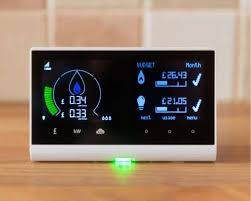
A smart meter is an advanced electronic metering device that measures and records the consumption of electricity, gas, or water and automatically communicates this information to utility providers and end users through secure communication networks. Unlike conventional meters, smart meters provide real-time or near-real-time data, enabling accurate monitoring, billing, and energy management.
Smart meters are equipped with digital measurement technology, data storage capabilities, communication modules, and intelligent software that facilitate two-way communication between consumers and utility companies. This functionality allows utilities to remotely collect usage data, detect outages, manage demand, and improve overall grid efficiency.
By providing detailed consumption insights, smart meters empower consumers to make informed decisions regarding energy usage, helping reduce waste and optimize resource consumption.
Product Specifications
The following table outlines the typical specifications of modern smart meters. Actual specifications may vary depending on manufacturer, utility requirements, and application.
Specification
Description
Product Name
Smart Meter
Function
Digital measurement and communication of utility consumption data
Meter Type
Electricity, Gas, Water, Multi-Utility
Voltage Rating
110V – 480V and above
Current Rating
5A – 200A or higher
Frequency
50 Hz / 60 Hz
Measurement Accuracy
Class 0.2S, 0.5S, 1.0
Display Type
LCD or Digital Display
Communication Technology
RF, GSM, GPRS, LTE, NB-IoT, PLC, Wi-Fi
Data Storage
Internal memory with event logging
Remote Monitoring
Supported
Remote Disconnect/Reconnect
Available on selected models
Power Consumption
Low power electronic design
Operating Temperature
-25°C to +70°C or higher
Protection Rating
IP Rated Enclosures
Data Security
Encryption and authentication protocols
Installation Type
Wall-mounted, Panel-mounted
Standards Compliance
IEC, ANSI, ISO, DLMS/COSEM
Lifespan
Typically 10–20 years
Application Areas
Residential, Commercial, Industrial, Utility
Key Features
1. Real-Time Energy Monitoring
Smart meters continuously monitor and record energy consumption, providing accurate and up-to-date information to both consumers and utility providers.
2. Automated Meter Reading (AMR)
Smart meters eliminate the need for manual meter readings by automatically transmitting consumption data to utility companies.
3. Two-Way Communication
Advanced communication systems allow data exchange between the utility provider and the smart meter, supporting remote management and diagnostics.
4. Accurate Billing
Automated data collection significantly reduces billing errors and ensures consumers are charged based on actual consumption.
5. Remote Access and Control
Utilities can remotely monitor, configure, disconnect, or reconnect services without requiring on-site visits.
6. Outage Detection and Reporting
Smart meters can automatically detect and report power interruptions, enabling faster restoration and improved service reliability.
7. Energy Usage Insights
Detailed consumption data helps consumers understand usage patterns and identify opportunities for energy savings.
8. Demand Response Support
Smart meters facilitate demand-response programs that help balance electricity supply and demand during peak periods.
9. Enhanced Data Security
Advanced encryption and cybersecurity measures protect sensitive consumption data and communication networks.
10. Integration with Smart Grids
Smart meters form a foundational element of modern smart grid infrastructure, supporting intelligent energy management and automation.
Types of Smart Meters
Smart Electricity Meters
These meters monitor and record electrical energy consumption.
Characteristics:
High measurement accuracy
Real-time monitoring
Utility communication capabilities
Applications:
Residential properties
Commercial buildings
Industrial facilities
Smart Gas Meters
Smart gas meters measure and transmit gas consumption data automatically.
Characteristics:
Automated reporting
Leak detection support
Accurate billing
Applications:
Residential gas networks
Commercial facilities
Industrial operations
Smart Water Meters
These devices monitor water usage and provide remote consumption reporting.
Characteristics:
Leak detection capabilities
Real-time monitoring
Automated billing support
Applications:
Municipal water systems
Residential developments
Commercial properties
Multi-Utility Smart Meters
Multi-utility meters monitor multiple services through a single integrated platform.
Characteristics:
Consolidated monitoring
Improved operational efficiency
Centralized data management
Applications:
Smart cities
Large commercial complexes
Utility management systems
Applications of Smart Meters
Residential Energy Management
Homeowners use smart meters to monitor electricity usage and improve energy efficiency.
Benefits:
Accurate billing
Reduced energy costs
Improved consumption awareness
Commercial Buildings
Commercial facilities utilize smart meters to manage energy usage and operational expenses.
Applications:
Office complexes
Shopping centers
Hotels
Educational institutions
Industrial Facilities
Industrial operations use smart meters to monitor large-scale energy consumption and optimize production processes.
Applications:
Manufacturing plants
Processing facilities
Mining operations
Warehousing centers
Utility Companies
Utilities rely on smart meters to improve service delivery and operational efficiency.
Functions:
Automated billing
Outage management
Demand forecasting
Grid monitoring
Renewable Energy Systems
Smart meters support the integration of renewable energy sources into power networks.
Applications:
Solar energy installations
Wind energy systems
Distributed generation projects
Net metering programs
Smart Cities
Smart city initiatives use smart meters to improve resource management and infrastructure efficiency.
Applications:
Energy monitoring
Water management
Utility optimization
Sustainability programs
Educational Institutions
Schools and universities use smart meters to monitor utility consumption and reduce operational costs.
Benefits:
Energy awareness
Cost savings
Sustainability management
Healthcare Facilities
Hospitals and healthcare centers utilize smart meters to monitor critical energy usage.
Applications:
Energy management systems
Backup power monitoring
Utility cost control
Benefits of Smart Meters
Improved Billing Accuracy
Automated data collection eliminates estimation errors and ensures precise billing.
Enhanced Energy Efficiency
Consumers gain visibility into energy consumption, enabling more efficient usage.
Reduced Operational Costs
Utilities save resources by eliminating manual meter reading and improving operational processes.
Faster Outage Response
Real-time outage notifications enable quicker identification and restoration of services.
Better Resource Management
Detailed consumption data supports informed decision-making and efficient resource allocation.
Support for Renewable Energy
Smart meters facilitate renewable energy integration and distributed generation management.
Increased Consumer Engagement
Users gain greater control and awareness of their energy consumption habits.
Grid Modernization
Smart meters contribute to the development of intelligent, reliable, and efficient power networks.
Maintenance Requirements
Smart meters are designed for long-term reliability but require periodic maintenance and monitoring.
Recommended Maintenance Activities
Visual inspections
Communication network verification
Firmware updates
Data accuracy testing
Security audits
Battery checks (where applicable)
Calibration verification
Environmental condition assessments
Regular maintenance ensures optimal performance and data integrity.
Environmental Considerations
Modern smart meter technologies support sustainability through:
Improved energy efficiency
Reduced energy waste
Lower carbon emissions
Enhanced renewable energy integration
Reduced paper billing requirements
Efficient utility management
These benefits contribute to more sustainable energy and resource consumption practices.
Conclusion
Smart meters represent a major advancement in utility measurement and energy management technology. By combining accurate digital measurement with advanced communication capabilities, smart meters provide real-time insights into consumption patterns, improve billing accuracy, enhance grid reliability, and support sustainable resource management.
Their widespread adoption across residential, commercial, industrial, and utility sectors is transforming the way energy, water, and gas services are monitored and delivered. Smart meters empower consumers with valuable usage information while enabling utility providers to improve operational efficiency, reduce costs, and modernize infrastructure.
As smart grid technologies continue to evolve and global demand for efficient energy management grows, smart meters will remain a cornerstone of modern utility systems, supporting a future characterized by greater efficiency, sustainability, reliability, and consumer engagement.