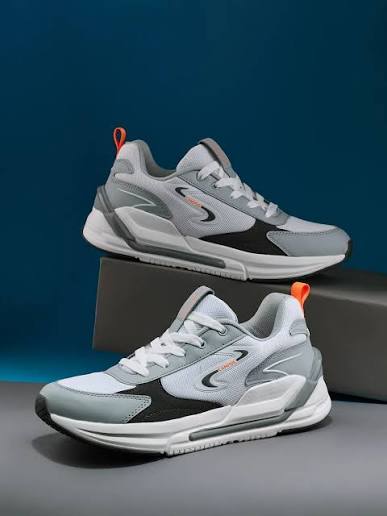
Sneakers are a type of lightweight, flexible footwear designed primarily for comfort, casual wear, and light physical activity. They typically feature a rubber or synthetic sole and an upper part made from materials such as mesh, canvas, leather, or synthetic textiles.
Unlike formal shoes, sneakers are designed to provide cushioning, shock absorption, and ease of movement, making them suitable for walking, sports, and everyday use.
—
2. INTRODUCTION TO SNEAKERS
Sneakers originated as simple rubber-soled athletic shoes in the 19th and early 20th centuries. Initially used for sports such as tennis and basketball, they were designed to improve grip and movement during physical activity.
Over time, sneakers evolved beyond sportswear and became a major part of global fashion culture. Today, they are worn by people of all ages for both athletic performance and everyday styling.
Modern sneakers combine technology, design, and fashion, making them one of the most popular footwear categories worldwide. They are widely used in sports, streetwear fashion, travel, and casual environments.
—
3. TABULATED SPECIFICATION OF SNEAKERS
| SPECIFICATION CATEGORY | DETAILS |
|————————|———|
| Product Type | Casual and athletic footwear |
| Upper Materials | Mesh, canvas, leather, synthetic fabrics |
| Sole Material | Rubber, EVA, foam, polyurethane |
| Cushioning | High (shock-absorbing midsoles) |
| Breathability | High (especially mesh designs) |
| Flexibility | High (designed for movement) |
| Weight | Lightweight to medium |
| Closure Types | Lace-up, slip-on, Velcro |
| Durability | Medium to high depending on build quality |
| Usage Types | Sports, walking, casual wear, fashion |
| Comfort Level | Very high |
| Maintenance | Easy cleaning (varies by material) |
—
4. TYPES OF SNEAKERS
4.1 RUNNING SNEAKERS
Designed for running and jogging, these sneakers focus on cushioning, lightweight design, and energy return.
4.2 TRAINING SNEAKERS
Built for gym workouts and fitness training, offering stability and multi-directional support.
4.3 BASKETBALL SNEAKERS
High-top sneakers designed to support ankle stability and absorb impact during jumps.
4.4 LIFESTYLE SNEAKERS
Fashion-oriented sneakers designed for everyday casual wear and street style.
4.5 SKATE SNEAKERS
Durable sneakers with flat soles and reinforced material for skateboarding activities.
4.6 HIGH-TOP AND LOW-TOP SNEAKERS
High-tops provide ankle support, while low-tops offer greater flexibility and casual style.
—
5. MATERIALS USED IN SNEAKERS
– Mesh fabric: lightweight and highly breathable
– Canvas: durable and flexible textile material
– Leather: strong and stylish upper material
– Synthetic leather: affordable and versatile alternative
– EVA foam: lightweight cushioning in midsoles
– Rubber: durable outsole for grip and traction
– Memory foam: enhances comfort and foot support
The combination of these materials determines performance, comfort, and durability.
—
6. MANUFACTURING PROCESS OF SNEAKERS
1. Design and concept development
2. Selection of materials for upper and sole
3. Cutting of fabric and synthetic components
4. Stitching and assembly of upper structure
5. Molding and shaping of midsole cushioning
6. Attachment of outsole for grip and durability
7. Lacing system installation or slip-on finishing
8. Quality testing for comfort and durability
9. Final inspection and packaging
Modern sneaker production often combines manual craftsmanship with automated manufacturing.
—
7. USES OF SNEAKERS
7.1 CASUAL WEAR
Sneakers are widely used for everyday comfort and fashion.
7.2 SPORTS AND FITNESS
Used in running, gym training, basketball, and other athletic activities.
7.3 STREETWEAR FASHION
Sneakers are a major part of modern urban and street fashion culture.
7.4 TRAVEL AND WALKING
Preferred for long-distance walking due to comfort and cushioning.
7.5 WORK AND SCHOOL USE
In many casual environments, sneakers are worn as daily footwear.
—
8. ADVANTAGES OF SNEAKERS
– Extremely comfortable for daily use
– Lightweight and flexible
– Suitable for sports and casual wear
– Wide variety of styles and designs
– Good shock absorption and foot support
– Easy to style with different outfits
—
9. LIMITATIONS OF SNEAKERS
– May wear out faster under heavy sports use
– Not suitable for formal dress codes
– Light-colored sneakers get dirty easily
– Some models may lack strong arch support
– Quality varies widely across brands and prices
—
10. CONCLUSION
Sneakers are one of the most versatile and widely used types of footwear in the world. Combining comfort, performance, and style, they have become essential in both sports and everyday fashion.
From athletic performance shoes to lifestyle fashion items, sneakers continue to evolve with new technologies and design innovations. Their popularity spans across cultures, age groups, and lifestyles.
Overall, sneakers represent a perfect balance between functionality and style, making them a cornerstone of modern footwear culture.