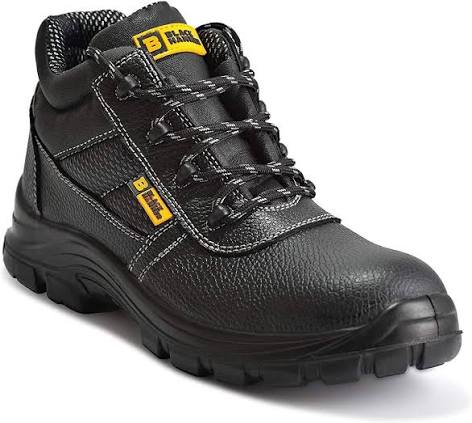
Safety boots are specialized protective footwear designed to protect the feet and lower legs from workplace hazards such as heavy falling objects, sharp materials, electrical risks, slippery surfaces, and harsh environmental conditions. They are an essential part of personal protective equipment (PPE) in industrial and construction environments.
Safety boots are built with reinforced toe caps, durable outsoles, and strong upper materials to ensure maximum protection, durability, and stability during physically demanding work.
—
2. INTRODUCTION TO SAFETY BOOTS
Safety boots were developed as a response to increasing workplace injuries in industrial and construction sectors. As industries expanded, the need for protective footwear became essential to reduce accidents and improve worker safety.
Modern safety boots combine engineering, material science, and ergonomic design to provide both protection and comfort. Unlike ordinary footwear, they are tested under strict safety standards to ensure resistance to impact, compression, puncture, and sometimes electrical hazards.
Today, safety boots are widely used in construction sites, factories, mining areas, oil and gas industries, warehouses, logistics, and agricultural environments. They are considered a mandatory requirement in many workplaces worldwide.
—
3. TABULATED SPECIFICATION OF SAFETY BOOTS
| SPECIFICATION CATEGORY | DETAILS |
|————————|———|
| Product Type | Protective industrial footwear |
| Primary Purpose | Foot protection in hazardous environments |
| Upper Materials | Leather, synthetic leather, rubber-coated fabrics |
| Toe Protection | Steel toe, composite toe, aluminum toe |
| Sole Type | Anti-slip rubber, PU, nitrile rubber |
| Puncture Resistance | Steel or Kevlar midsole protection |
| Water Resistance | Waterproof or water-resistant variants |
| Electrical Protection | Anti-static or electrical hazard rated options |
| Comfort Features | Cushioned insoles, shock absorption |
| Breathability | Medium (varies by design) |
| Durability | Very high for industrial use |
| Closure Types | Lace-up, side zipper, elastic panels |
| Safety Standards | Varies by region (e.g., ASTM, EN ISO standards) |
—
4. TYPES OF SAFETY BOOTS
4.1 STEEL TOE SAFETY BOOTS
These boots include a reinforced steel cap at the front to protect toes from heavy impact and compression.
4.2 COMPOSITE TOE SAFETY BOOTS
Instead of steel, these use lightweight materials like carbon fiber or Kevlar, offering protection without added weight.
4.3 ELECTRICAL HAZARD SAFETY BOOTS
Designed to protect workers from electrical shocks by providing insulation from electric currents.
4.4 WATERPROOF SAFETY BOOTS
Made to resist water penetration, ideal for wet and outdoor working environments.
4.5 PUNCTURE-RESISTANT SAFETY BOOTS
Equipped with reinforced midsoles that prevent sharp objects like nails or glass from penetrating the sole.
4.6 CHEMICAL-RESISTANT SAFETY BOOTS
Designed for environments where exposure to chemicals, oils, or corrosive substances is common.
—
5. MATERIALS USED IN SAFETY BOOTS
– Genuine leather: strong, durable, and abrasion-resistant
– Synthetic leather: lightweight and cost-effective alternative
– Steel: used for toe caps and midsole protection
– Composite materials: carbon fiber, Kevlar for lightweight safety
– Rubber: slip-resistant and durable outsole material
– Polyurethane (PU): cushioning and shock absorption
– EVA foam: comfort insoles and padding
Each material is selected to balance protection, comfort, and durability.
—
6. MANUFACTURING PROCESS OF SAFETY BOOTS
1. Selection of industrial-grade raw materials
2. Design based on safety standards and hazard requirements
3. Cutting of upper materials and protective components
4. Assembly of toe caps and protective midsoles
5. Stitching and bonding of upper structure
6. Sole molding and attachment
7. Waterproofing and surface treatment
8. Comfort lining installation
9. Quality testing for impact, slip, and puncture resistance
10. Final inspection and packaging
Each boot undergoes strict testing to ensure compliance with workplace safety regulations.
—
7. USES OF SAFETY BOOTS
7.1 CONSTRUCTION INDUSTRY
Used to protect workers from falling objects, sharp debris, and rough terrain.
7.2 MANUFACTURING AND FACTORIES
Protects against machinery hazards, heavy materials, and industrial accidents.
7.3 MINING AND OIL INDUSTRY
Provides protection in extreme and hazardous working environments.
7.4 WAREHOUSING AND LOGISTICS
Prevents injuries during loading, unloading, and transportation of goods.
7.5 AGRICULTURE AND OUTDOOR WORK
Protects feet from tools, animals, and rough outdoor conditions.
—
8. ADVANTAGES OF SAFETY BOOTS
– High protection against workplace hazards
– Durable and long-lasting construction
– Slip-resistant soles for safety
– Available in multiple safety grades
– Suitable for harsh environments
– Reduces risk of foot injuries
—
9. LIMITATIONS OF SAFETY BOOTS
– Heavier than regular footwear
– Can feel stiff during initial use
– More expensive than normal shoes
– Requires maintenance to ensure longevity
– May reduce breathability in hot environments
—
10. CONCLUSION
Safety boots are essential protective footwear designed to reduce workplace injuries and ensure worker safety in hazardous environments. They combine strong materials, advanced engineering, and safety compliance standards to provide reliable protection.
Although they may be heavier and more expensive than ordinary shoes, their role in preventing injuries and improving workplace safety makes them indispensable in many industries.
Overall, safety boots are a critical component of industrial safety systems, offering durability, protection, and stability in demanding working conditions.