The Dynamic Cephalopod: An Industrial Profile of Squid
Introduction
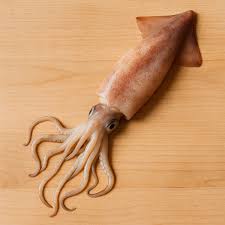
In the global seafood market, squid (order Teuthida) represents one of the most efficient, versatile, and rapidly growing sectors. As cephalopods, squids are biologically distinct from the finfish and crustaceans that dominate the aquaculture trade. They are high-speed, short-lived oceanic predators known for their rapid growth rates and immense schooling biomass. Industrially, squid are a “high-velocity” commodity; they are harvested in massive quantities, processed with extreme speed, and integrated into food systems ranging from traditional Mediterranean dishes to high-tech, ready-to-eat convenience products.
The industrialization of squid is driven by the need to manage their unique tissue structure—which is essentially a mantle of dense, collagen-rich muscle—and their extreme perishability. From the giant Dosidicus gigas (Jumbo Flying Squid) of the Pacific to the smaller, tender Loligo species, the industry relies on highly specialized processing lines designed to clean, skin, and portion these creatures before the onset of enzymatic degradation.
Defining the Product
Squids are categorized by their size, mantle thickness, and tenderness. Unlike finfish, they have no skeletal structure, making them remarkably easy to process once the internal organs and “pen” (the internal cartilage rod) are removed.
The commercial market processes squid into four primary industrial formats:
Whole Cleaned: The head, tentacles, and internal organs are removed, leaving only the mantle (the tube). This is the standard for stuffed squid preparations and retail sales.
Rings and Tentacles: The most common global format. The mantle is sliced into standardized rings, which are then cleaned and mixed with tentacles. This is the foundation of the massive “calamari” market.
IQF (Individually Quick Frozen): The industry standard for cold-chain efficiency. Each ring or cleaned tube is flash-frozen, allowing for precise, waste-free portioning.
Value-Added Convenience: Pre-breaded, pre-seasoned, or “ready-to-fry” calamari products designed for the Quick Service Restaurant (QSR) and retail sectors.
Industrial Specification Matrix
The quality of squid is governed by the maintenance of its collagen structure. If the squid is mishandled or held at improper temperatures, the enzymes in the tissue can begin to break down the muscle proteins, leading to a texture that is either mushy or excessively rubbery.
Specification Parameter
Targeted Industrial Baseline
Verification Methodology
Moisture Content
$78.0% – 82.0%$
Forced-Air Oven Drying
Crude Protein
Minimum $16.0% – 20.0%$
Kjeldahl Combustion Assay
Total Lipid (Fat)
$1.0% – 2.0%$ (Extremely lean)
Soxhlet Lipid Extraction
Texture (Shear Force)
1.5 – 3.0 kgf
Warner-Bratzler Shear Test
Bacterial Count (APC)
$< 100,000 text{ CFU/g}$
Selective Agar Incubation
Freezing Protocol
Blast frozen to $-40^circtext{C}$
Thermocouple Profiling
Storage Temperature
$leq -25^circtext{C}$
Continuous Data Logging
Industrial Applications and Food Systems
Squid is a highly utilitarian protein, prized for its ability to absorb flavors and its consistent, firm texture after cooking.
The Global Calamari Standard: The most significant industrial application of squid is the calamari ring. Through automated slicing machines, the squid mantle is converted into uniform rings that are then breaded and frozen. This standardization is critical for global restaurant chains that require a consistent “bite” and cook-time.
Ready-to-Eat (RTE) Innovation: The squid industry is a leader in the development of “snackable” seafood. From dried, shredded squid snacks popular in Asian markets to refrigerated, pre-marinated “squid salads,” the industry is successfully positioning this protein as a convenient, healthy, and on-the-go snack.
Nutraceutical and Functional Ingredients: Squid liver and viscera are rich in high-quality omega-3 fatty acids and taurine. The industrial processing of squid waste into high-purity fish oils and taurine supplements is a significant, high-value byproduct sector.
Institutional Catering: Given the affordability and high protein content of squid, it is a staple of institutional feeding programs, particularly in regions where it is a culturally familiar protein.
The Engineering of Squid Processing
The industrial processing of squid is a marvel of automated precision, designed to handle the unique shape of the mantle.
Automated Skinning and Cleaning:
Modern squid processing plants utilize specialized “tube-cleaning” machines. These machines use a combination of vacuum pressure and rotating rubber brushes to remove the skin (the epidermis) from the mantle tube without damaging the delicate muscle underneath. This is a critical step; if the skin is not completely removed, it can impart a bitter, dark color to the final product.
Cryogenic Blast-Freezing:
Because squid is high in moisture, it is prone to freezer burn. To prevent this, the industry uses Cryogenic Blast-Freezing. By exposing the squid to a high-velocity blast of air at $-40^circtext{C}$, the industry ensures that the ice crystals formed within the muscle fibers are microscopic. This is essential for maintaining the “snap” and texture of the squid upon thawing.
Sustainability and The Wild-Capture Management
The majority of the global squid catch is wild-caught, which necessitates a science-based approach to population management.
Life-Cycle Management: Because most squid species are short-lived (often living only 1–2 years) and spawn only once, their populations can fluctuate wildly based on ocean temperature and prey availability. Management relies on “Real-Time Monitoring,” where catch data is analyzed daily to ensure that the harvest does not impact the spawning population.
Gear Innovation: To minimize the environmental impact of squid fishing, the industry is moving away from traditional bottom-trawling toward jigging. Jigging is an automated, high-tech hook-and-line method that uses lights to attract the squid to the surface. It is highly selective, causes no damage to the seafloor habitat, and has near-zero bycatch of non-target species.
Radical Transparency: The industry is increasingly adopting blockchain-based traceability. Consumers can scan a QR code on a bag of calamari and trace it back to the vessel, the date of catch, and the sea-surface temperature data from the day the squid was harvested, ensuring that the product was sourced sustainably.
Conclusion
Squid is a vital, high-efficiency pillar of the global seafood industry. By bridging the gap between a high-volume, wild-caught resource and the industrial requirements of modern, portion-controlled convenience food, the squid sector has created a supply chain that demands precision, speed, and absolute temperature control.
As the industry moves forward, the focus is shifting toward even greater sustainability and value-added innovation. From the implementation of selective jigging technology to the perfection of cryo-freezing processes, the squid industry ensures that this dynamic, nutrient-dense protein remains a sustainable and affordable mainstay of the global diet. Whether served in a simple calamari preparation or as part of a highly refined, value-added meal, squid continues to demonstrate its role as one of the most reliable and efficient sources of marine protein in the modern world.