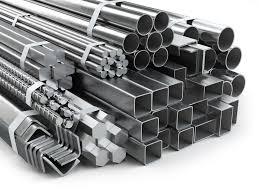
Steel rods are long, cylindrical steel products widely used in construction, engineering, fabrication, and industrial manufacturing. They are essential structural materials known for their high strength, durability, and load-bearing capacity.
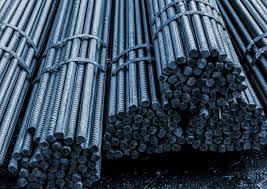
In construction, steel rods are most commonly used as reinforcement bars (rebar) to strengthen concrete structures.
Definition of Steel Rods
Steel rods are solid steel bars produced through hot rolling or cold drawing processes. They are made from carbon steel or alloy steel and are used either directly in construction or as raw material for machining and fabrication.
A common structural application form is: Reinforcing Steel Bar (Rebar)
Types of Steel Rods
1. Mild Steel Rods
Low carbon content
Easy to bend and weld
Used in general construction and fabrication
2. High Tensile Steel Rods
High strength and durability
Used in heavy construction and bridges
3. Deformed Steel Rods (Rebar)
Ribbed surface for better grip in concrete
Used in reinforced concrete structures
4. Stainless Steel Rods
Resistant to corrosion and rust
Used in marine, chemical, and food industries
5. Alloy Steel Rods
Mixed with elements like chromium, nickel, or manganese
Used in engineering and high-performance applications
Physical and Mechanical Characteristics of Steel Rods
Steel rods typically have:
High tensile strength
Excellent load-bearing capacity
Metallic gray appearance
High ductility (can be bent without breaking)
Weldability (depending on grade)
Resistance to deformation under stress
Corrosion resistance (higher in stainless grades)
Manufacturing Process of Steel Rods
1. Iron Production
Iron ore is smelted in blast furnaces to produce pig iron.
2. Steel Making
Pig iron is refined into steel using basic oxygen or electric arc furnaces.
3. Casting
Molten steel is cast into billets or blooms.
4. Rolling
Billets are heated and passed through rollers to form rods.
5. Cooling
Rods are cooled naturally or through controlled processes.
6. Finishing
Cutting, straightening, and surface treatment are done.
Tabulated Specification of Steel Rods
Specification
Details
Product Name
Steel Rods / Steel Bars
Base Material
Carbon steel / alloy steel
Shape
Cylindrical, solid
Surface
Smooth or deformed (ribbed)
Strength
High tensile strength
Ductility
High
Corrosion Resistance
Moderate to high (depends on type)
Main Applications
Construction, engineering, fabrication
Storage Conditions
Dry, elevated storage to prevent rust
Uses of Steel Rods
1. Construction Industry
Reinforced concrete structures
Foundations, columns, beams, slabs
Bridges and high-rise buildings
2. Infrastructure Projects
Roads, tunnels, dams, railways
3. Manufacturing and Engineering
Machine parts and structural components
Industrial frameworks
4. Automotive and Transport
Vehicle frames and reinforcement parts
5. General Fabrication
Gates, fences, tools, and supports
Advantages of Steel Rods
1. High Strength
Provides excellent structural support.
2. Durable
Long service life in construction.
3. Flexible in Application
Used in many industries and structures.
4. Good Bonding with Concrete
Especially deformed rebar types.
5. Recyclable
Can be reused without major loss of quality.
Economic Importance
Steel rods are essential because they:
Support global construction and infrastructure development
Drive steel and metallurgy industries
Create large-scale employment in mining and manufacturing
Enable urbanization and industrial growth
Form the backbone of modern civil engineering
They are among the most widely used construction materials worldwide.
Environmental Considerations
Steel rod production involves:
High energy consumption in steelmaking
Carbon emissions from blast furnaces
Mining impacts from iron ore extraction
Sustainability measures include:
Steel recycling (scrap steel reuse)
Electric arc furnace production
Energy-efficient manufacturing
Green building practices
Storage and Handling Guidelines
To maintain quality:
Store in dry environments to prevent rust
Keep off the ground using supports
Cover when stored outdoors
Separate by grade and size
Handle with proper lifting equipment due to weight
Conclusion
Steel rods are essential construction and industrial materials made from refined steel and used primarily for structural reinforcement and fabrication. The most widely used form in construction is the reinforcing steel bar Reinforcing Steel Bar (Rebar), which provides strength and stability to concrete structures.
From buildings and bridges to machinery and infrastructure, steel rods form the backbone of modern engineering and construction.
In essence, steel rods are not just metal bars—they are the structural foundation of modern civilization, enabling strong, safe, and durable infrastructure worldwide.