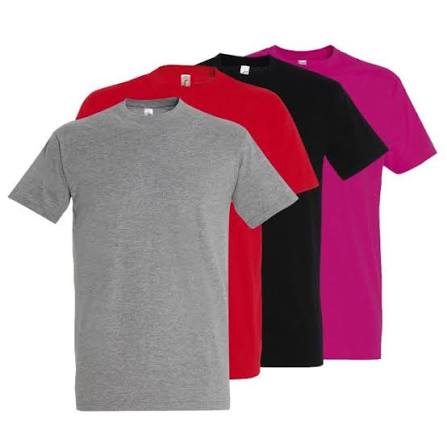
A T-shirt is a lightweight upper-body garment made from knitted fabric, typically cotton or cotton-blend materials, characterized by its short sleeves and round or V-shaped neckline. The name “T-shirt” comes from its simple T-shaped structure when laid flat.
Unlike structured garments such as shirts or jackets, T-shirts are designed for comfort, breathability, and ease of wear. They are one of the most universally worn clothing items across the world, suitable for all ages, genders, and cultures.
T-shirts can be plain, printed, embroidered, or customized, making them both a basic clothing item and a medium of self-expression.
—
2. INTRODUCTION TO T-SHIRTS
T-shirts have evolved from simple undergarments into one of the most important elements of modern fashion. Originally used as innerwear in the early 20th century, they became popular as outerwear after being adopted by soldiers, workers, and later Hollywood actors.
Today, T-shirts are a global fashion essential found in casual wear, sportswear, promotional branding, and street fashion. Their popularity is due to their simplicity, affordability, and versatility.
Modern T-shirts are available in countless styles, including slim-fit, oversized, cropped, graphic tees, polo-style variations, and performance-based athletic tees.
Because they can be easily customized, T-shirts are widely used for branding, advertising, political campaigns, school uniforms, and cultural events.
—
3. TABULATED SPECIFICATION OF T-SHIRTS
| SPECIFICATION CATEGORY | DETAILS |
|————————|———|
| Garment Type | Knitted upper-body clothing |
| Fabric Type | Cotton, polyester, blends (cotton-poly, cotton-spandex) |
| Structure | T-shaped design with short sleeves |
| Neck Styles | Round neck, V-neck, polo collar |
| Fit Types | Slim fit, regular fit, oversized, athletic fit |
| Weight | Light to medium depending on fabric GSM |
| Breathability | High (especially cotton-based T-shirts) |
| Stretchability | Moderate to high (depending on elastane content) |
| Durability | Moderate to high |
| Moisture Absorption | High for cotton, low for polyester |
| Care Instructions | Machine washable, easy maintenance |
| Printing Compatibility | Excellent for screen printing, digital printing, embroidery |
| Common Uses | Casual wear, sportswear, branding, uniforms |
—
4. TYPES OF T-SHIRTS
4.1 BASIC PLAIN T-SHIRTS
Simple, unprinted T-shirts used for everyday wear. They are minimal, comfortable, and versatile.
4.2 GRAPHIC T-SHIRTS
T-shirts printed with designs, slogans, logos, or artwork used for fashion and self-expression.
4.3 POLO T-SHIRTS
Collared T-shirts with buttons, offering a semi-formal appearance suitable for office casual wear.
4.4 OVERSIZED T-SHIRTS
Loose-fitting T-shirts popular in streetwear fashion for comfort and modern style.
4.5 ATHLETIC T-SHIRTS
Made from moisture-wicking fabrics designed for sports and physical activity.
4.6 CROPPED T-SHIRTS
Short-length T-shirts mainly used in women’s fashion trends.
—
5. MATERIALS USED IN T-SHIRTS
– Cotton (most common and breathable)
– Polyester (durable and quick-drying)
– Cotton-polyester blends (balanced comfort and strength)
– Spandex/elastane blends (stretch and flexibility)
– Organic cotton (eco-friendly alternative)
—
6. MANUFACTURING PROCESS OF T-SHIRTS
1. Fiber selection (cotton or synthetic)
2. Yarn spinning
3. Fabric knitting (usually jersey knit)
4. Dyeing and finishing
5. Cutting into pattern pieces
6. Stitching and assembly
7. Printing or embroidery (if required)
8. Quality inspection and packaging
—
7. USES OF T-SHIRTS
7.1 CASUAL WEAR
T-shirts are widely used for daily casual outfits due to their comfort and simplicity.
7.2 SPORTS AND FITNESS
Athletic T-shirts help regulate body temperature and absorb sweat during physical activity.
7.3 PROMOTIONAL AND BRANDING PURPOSES
Companies use printed T-shirts for marketing campaigns, events, and brand visibility.
7.4 UNIFORMS
Schools, organizations, and teams use T-shirts as uniforms for identity and unity.
7.5 FASHION AND STREETWEAR
T-shirts are a key part of modern fashion trends and street culture.
7.6 MERCHANDISING
Artists, musicians, and influencers use T-shirts to promote their brands and content.
—
8. ADVANTAGES OF T-SHIRTS
– Comfortable and lightweight
– Affordable and widely available
– Easy to wash and maintain
– Suitable for all age groups
– Highly customizable
– Versatile for different occasions
—
9. LIMITATIONS OF T-SHIRTS
– Less formal for official events
– Can lose shape after repeated washing
– Cotton versions may shrink
– Polyester versions may trap heat
– Limited protection in harsh weather conditions
—
10. CONCLUSION
T-shirts are one of the most essential garments in modern clothing culture. Their simple design, comfort, and versatility have made them a global wardrobe staple.
From basic daily wear to fashion statements and branding tools, T-shirts serve multiple purposes across different industries and lifestyles. Their adaptability allows them to remain relevant in changing fashion trends.
With continuous innovation in fabrics, printing technology, and sustainable materials, T-shirts will continue to play a major role in both fashion and functional clothing in the future.