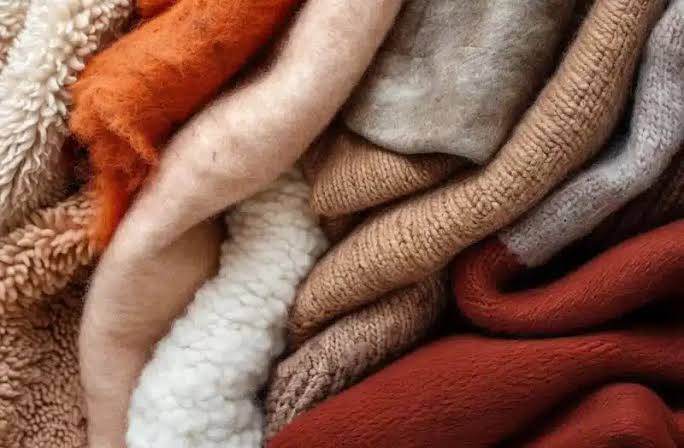
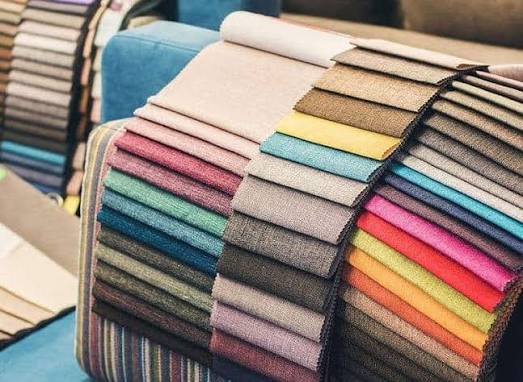
Industrial textiles, also known as technical textiles, are specially engineered textile materials designed primarily for functional, performance-based applications rather than aesthetic or decorative purposes.
Unlike conventional fabrics used in clothing or fashion, industrial textiles are developed to meet specific technical requirements such as high strength, resistance to heat, chemical stability, filtration ability, waterproofing, or protective performance.
These textiles may be woven, knitted, non-woven, or composite structures, depending on their intended use. The main focus is not appearance, but performance, safety, and durability under demanding conditions.
2. Introduction to Industrial Textiles
Industrial textiles represent one of the fastest-growing sectors in the global textile industry. Their development is closely linked to advancements in engineering, science, and industrial manufacturing.
Historically, textiles were mainly used for clothing and household purposes. However, with technological progress, textiles began to be used in non-traditional sectors such as construction, transportation, medicine, agriculture, defense, and environmental protection.
Today, industrial textiles play a critical role in modern infrastructure and technology. For example, they are used in airbags that save lives in car accidents, geotextiles that stabilize roads and bridges, and medical fabrics that ensure hygiene in hospitals.
The demand for these textiles continues to grow because industries require materials that are lightweight yet strong, flexible yet durable, and cost-effective yet highly specialized.
3. Classification of Industrial Textiles
Industrial textiles can be grouped based on their field of application:
3.1 Mobiltech (Transportation Textiles)
Used in automotive, aviation, railway, and marine industries. Examples include seat belts, airbags, tire reinforcements, and aircraft interiors.
3.2 Buildtech (Construction Textiles)
Used in building and civil engineering structures such as roofing membranes, scaffolding nets, insulation fabrics, and architectural fabrics.
3.3 Agrotech (Agricultural Textiles)
Used in farming and agriculture to improve productivity. Examples include shade nets, crop covers, mulch mats, and anti-insect nets.
3.4 Meditech (Medical Textiles)
Used in healthcare settings, including surgical gowns, face masks, bandages, implants, and hygiene products.
3.5 Protech (Protective Textiles)
Designed to protect individuals from hazards such as fire, chemicals, and impact. Examples include firefighter uniforms, bulletproof vests, and industrial safety clothing.
3.6 Geotech (Geotextiles)
Used in soil and ground engineering for stabilization, drainage, erosion control, and road construction.
3.7 Indutech (Industrial Process Textiles)
Used in industrial operations such as filtration systems, conveyor belts, and machinery components.
Waterproof, water-repellent, or permeable depending on use
Durability
Extremely high under harsh conditions
Flexibility
Adjustable based on application
Weight
Lightweight to heavy-duty
Lifespan
Long-term under industrial conditions
Maintenance
Varies by application; often low maintenance
Sustainability
Increasing use of recyclable and eco-friendly fibers
5. Materials Used in Industrial Textiles
Industrial textiles are made from a wide range of fibers depending on the required performance:
5.1 Synthetic Fibers
Polyester
Nylon
Polypropylene These are widely used due to their strength, durability, and resistance to moisture.
5.2 High-Performance Fibers
These are advanced materials designed for extreme conditions:
Kevlar (used in bulletproof vests and protective gear)
Carbon fiber (lightweight and extremely strong)
Fiberglass (heat-resistant and structural applications)
5.3 Natural Fibers
Jute
Cotton
Sisal These are used in eco-friendly applications such as geotextiles and packaging materials.
6. Manufacturing Processes
Industrial textiles are produced using advanced textile engineering methods:
Weaving – interlacing yarns for strong structured fabrics
Knitting – producing flexible textile structures
Non-woven technology – bonding fibers chemically, thermally, or mechanically
Coating and lamination – adding protective layers for waterproofing or chemical resistance
Composite formation – combining multiple materials for enhanced performance
7. Applications of Industrial Textiles
7.1 Construction and Civil Engineering
Used in:
Road stabilization
Bridge reinforcement
Soil erosion control
Waterproof membranes
7.2 Transportation Industry
Used in:
Car seat belts and airbags
Aircraft interiors
Tire reinforcement cords
Marine ropes and sails
7.3 Healthcare and Medical Sector
Used in:
Surgical masks and gowns
Bandages and wound dressings
Medical implants
Hygiene products
7.4 Agriculture
Used in:
Crop protection nets
Shade nets
Greenhouse coverings
Soil conservation fabrics
7.5 Safety and Defense
Used in:
Fire-resistant clothing
Bulletproof vests
Chemical protective suits
Industrial hazard gear
7.6 Environmental Protection
Used in:
Water filtration systems
Air purification systems
Waste management liners
8. Advantages of Industrial Textiles
Extremely strong and durable
Designed for specific functional needs
Resistant to harsh environments
Lightweight compared to traditional materials
Improves safety and efficiency in industries
Can be customized for different applications
9. Limitations of Industrial Textiles
High production cost for advanced materials
Requires specialized manufacturing technology
Limited biodegradability in synthetic forms
Complex maintenance in certain applications
Not suitable for general fashion use
10. Conclusion
Industrial textiles are a vital part of modern technological development, extending far beyond traditional fabric use. They provide essential solutions in construction, transportation, healthcare, agriculture, and safety industries.
Their main strength lies in their ability to be engineered for specific performance needs, whether it is protecting human life, reinforcing infrastructure, or improving industrial efficiency.
As technology advances, industrial textiles are becoming smarter, more sustainable, and more efficient. The future of this field is strongly connected to innovation in materials science, including eco-friendly fibers, smart textiles, and nanotechnology-based fabrics.
Ultimately, industrial textiles represent the transformation of fabric from a simple material into a high-performance engineering solution for modern society.