Head wraps are fabric accessories designed to be tied or styled around the head for cultural, aesthetic, religious, or practical purposes. They are typically made from long rectangular or square pieces of cloth that can be wrapped, twisted, folded, or knotted into various styles.
Head wraps serve multiple functions, including protecting natural hair, expressing cultural identity, enhancing fashion appearance, and providing coverage for modest dressing. They are worn by people across many cultures, especially in Africa, the Caribbean, South Asia, and parts of the Middle East.
—
2. INTRODUCTION TO HEAD WRAPS
Head wraps have a deep historical and cultural background that spans centuries. In many African societies, head wrapping is not only a fashion practice but also a symbol of identity, social status, spirituality, and cultural pride. In other regions, similar head coverings have been used for religious modesty, protection from weather conditions, or traditional ceremonial dress.
Over time, head wraps have evolved into a global fashion accessory. They are now widely used in modern styling, runway fashion, and everyday wear. Designers and fashion enthusiasts incorporate head wraps into contemporary outfits as statement pieces that combine tradition with modern aesthetics.
Today, head wraps are appreciated both for their cultural significance and their versatility in styling.
—
3. TABULATED SPECIFICATION OF HEAD WRAPS
| SPECIFICATION CATEGORY | DETAILS |
|————————|———|
| Product Type | Fashion and cultural head accessory |
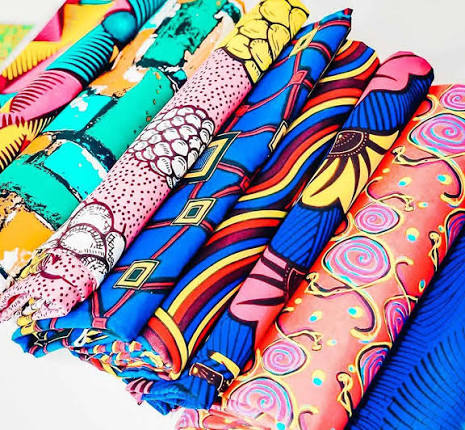
| Fabric Types | Cotton, silk, satin, polyester, jersey knit, Ankara prints |
| Shape | Rectangular or square fabric piece |
| Size Range | Small (scarves) to extra-long wraps |
| Texture | Soft, smooth, or slightly stiff depending on fabric |
| Stretchability | Low (cotton/silk), medium (jersey knit) |
| Breathability | High for natural fabrics like cotton |
| Durability | Medium to high depending on material |
| Styling Method | Wrapping, folding, twisting, knotting |
| Usage Frequency | Daily or occasional depending on purpose |
| Maintenance | Easy to moderate (fabric dependent) |
| Cultural Importance | High in many African and global traditions |
—
4. TYPES OF HEAD WRAPS
4.1 AFRICAN HEAD WRAPS (GELE AND TRADITIONAL STYLES)
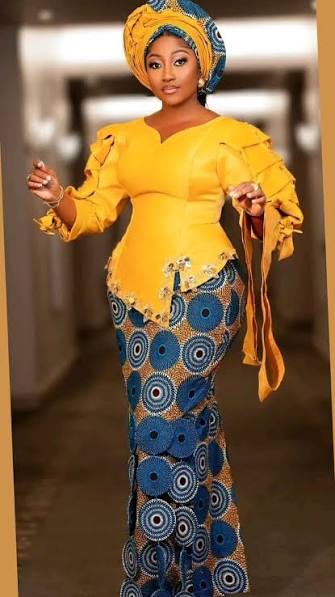
These are elaborate and structured wraps often worn for weddings, ceremonies, and cultural celebrations. The gele style, in particular, is known for its large, sculpted appearance.
4.2 TURBAN-STYLE HEAD WRAPS
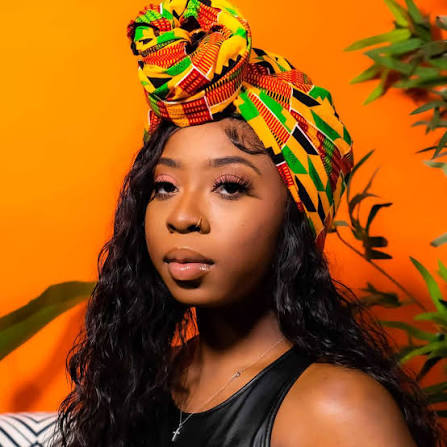
Turban wraps are modern and fashionable styles that fully or partially cover the head. They are popular for both casual and elegant looks.
4.3 CASUAL SCARF WRAPS
These are simple wraps used for everyday fashion or convenience. They are easy to tie and often made from lightweight fabrics.
4.4 PROTECTIVE HAIR WRAPS
Designed to protect natural hair from breakage, dryness, and environmental damage. These are commonly worn during sleep or at home.
4.5 FASHION AND RUNWAY HEAD WRAPS
High-fashion versions used in styling, photo shoots, and designer collections. These often use bold prints and artistic wrapping techniques.
—
5. MATERIALS USED IN HEAD WRAPS
– Cotton: breathable, easy to style, widely available
– Silk: smooth and gentle on hair, reduces friction
– Satin: shiny, stylish, and protective for hair health
– Jersey knit: stretchy, comfortable, and easy to tie
– Polyester blends: durable and vibrant in color retention
– Ankara fabric: bold prints used for cultural and fashion expression
Each fabric type affects the wrap’s appearance, hold, and comfort level.
—
6. MANUFACTURING PROCESS OF HEAD WRAPS
1. Selection of fabric based on purpose (fashion, cultural, protective)
2. Cutting fabric into standard rectangular or square dimensions
3. Finishing edges through hemming or stitching
4. Printing or dyeing patterns where required
5. Quality control for texture, color, and durability
6. Folding and packaging for retail distribution
Head wraps are generally simple in construction but highly diverse in design and styling potential.
—
7. USES OF HEAD WRAPS
7.1 CULTURAL EXPRESSION
Head wraps are used to represent cultural identity, heritage, and tradition in many societies.
7.2 FASHION ACCESSORY
They are widely used in modern styling to complement outfits and create bold fashion statements.
7.3 HAIR PROTECTION
Head wraps help protect natural hair from damage caused by friction, weather, and dryness.
7.4 RELIGIOUS AND MODESTY PURPOSES
In some cultures and religions, head coverings are worn as a sign of modesty and respect.
7.5 PRACTICAL USE
They are also used for convenience, bad hair days, or quick styling solutions.
—
8. ADVANTAGES OF HEAD WRAPS
– Versatile styling options
– Protects hair from damage
– Suitable for many cultural and fashion uses
– Available in various fabrics and designs
– Easy to carry and reuse
– Enhances personal style and identity
—
9. LIMITATIONS OF HEAD WRAPS
– Requires skill to tie complex styles
– Some fabrics may slip or loosen easily
– Large wraps may feel heavy or bulky
– Improper tying may cause discomfort
– Cultural styles may require learning and practice
—
10. CONCLUSION
Head wraps are highly versatile accessories that combine cultural heritage, fashion expression, and practical use. They have been used for centuries across different civilizations and continue to remain relevant in modern fashion and daily life.
Their adaptability allows them to be styled in simple or highly elaborate ways depending on the occasion, making them one of the most flexible fashion accessories in global textile culture.
Overall, head wraps represent a powerful blend of identity, beauty, and functionality, bridging tradition and modern style in a single piece of fabric.