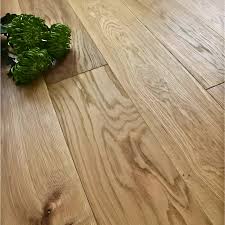
Wooden flooring is a premium interior surfacing material made from natural wood or engineered wood products and installed as floor coverings in residential, commercial, and institutional buildings. It is highly valued for its elegance, warmth, durability, and timeless aesthetic appeal. Wooden flooring enhances interior spaces by creating a natural, comfortable, and sophisticated environment that blends functionality with design.
Wooden floors are widely used in homes, offices, hotels, restaurants, shopping centers, and luxury buildings. They are available in solid wood, engineered wood, laminate wood, and parquet styles depending on design preference, budget, and performance requirements.
Because of its natural beauty and long-lasting performance, wooden flooring remains one of the most preferred flooring solutions in modern architecture and interior design.
Definition of Wooden Flooring
Wooden flooring refers to floor surfaces constructed from natural hardwood or engineered wood materials that are installed in planks, strips, or tiles to create a durable and decorative walking surface.
Common wood species used in flooring include:
Quercus robur Tectona grandis Maple
These species are selected for their strength, stability, and attractive grain patterns.
Types of Wooden Flooring
1. Solid Hardwood Flooring
Made from a single piece of natural hardwood
Highly durable and long-lasting
Can be sanded and refinished multiple times
2. Engineered Wood Flooring
Composed of a hardwood top layer over plywood or fiberboard core
More stable in humid conditions
Resistant to warping and shrinking
3. Laminate Wood Flooring
Synthetic layered flooring with wood-like appearance
Cost-effective alternative to natural wood
Easy installation and maintenance
4. Parquet Flooring
Made from small wooden blocks arranged in decorative patterns
Common in luxury interiors and artistic designs
5. Bamboo Flooring
Made from processed bamboo (grass-based material)
Eco-friendly and fast-growing alternative
Physical Characteristics of Wooden Flooring
Wooden flooring exhibits the following features:
Natural wood grain patterns and textures
Warm and elegant appearance
Medium to high density depending on species
Smooth or textured surface finishes
Excellent durability under proper maintenance
Good thermal insulation properties
Each type of wood offers unique color tones ranging from light beige to deep brown.
Manufacturing and Installation Process
The production and installation of wooden flooring involve several stages:
1. Timber Selection
High-quality hardwood or softwood is selected based on flooring requirements.
2. Drying and Seasoning
Wood is kiln-dried to reduce moisture content and prevent warping.
3. Cutting and Shaping
Timber is cut into uniform planks or strips.
4. Surface Treatment
Boards are sanded, polished, and treated for protection.
5. Finishing
Optional coatings such as varnish, oil, or laminate are applied.
6. Installation
Flooring is installed using:
Nail-down method
Glue-down method
Floating installation system
7. Final Polishing
The surface is polished for a smooth and refined finish.
Tabulated Specification of Wooden Flooring
Specification
Details
Product Name
Wooden Flooring
Common Species
Quercus robur, Tectona grandis
Product Type
Natural or engineered floor covering
Material Composition
Solid wood, engineered wood, laminate layers
Surface Finish
Matte, glossy, textured, or oiled
Thickness Range
Typically 8 mm – 20 mm
Installation Methods
Floating, glue-down, nail-down
Durability
High (varies by wood type and treatment)
Moisture Resistance
Moderate to high (engineered types perform better)
Maintenance
Sweeping, polishing, periodic refinishing
Main Applications
Residential, commercial, luxury interiors
Storage Conditions
Dry, flat, and humidity-controlled
Packaging
Planks or tiles in bundled packs
Traceability
Forestry and manufacturing records
Uses of Wooden Flooring
Wooden flooring is widely used in various sectors:
1. Residential Buildings
Used in:
Living rooms
Bedrooms
Dining areas
Hallways
2. Commercial Spaces
Common in:
Offices
Conference rooms
Retail stores
Showrooms
3. Hospitality Industry
Used in:
Hotels
Resorts
Restaurants
Luxury lounges
4. Institutional Buildings
Applied in:
Libraries
Schools
Auditoriums
Museums
5. Luxury Interiors
Used in:
High-end villas
Designer homes
Executive offices
Advantages of Wooden Flooring
1. Aesthetic Appeal
Provides a warm, natural, and elegant interior look.
2. Durability
High-quality wood flooring can last for decades.
3. Easy Maintenance
Simple cleaning with regular sweeping and polishing.
4. Comfort
Warmer and softer underfoot compared to tiles or stone.
5. Design Versatility
Available in multiple colors, grains, and patterns.
6. Increased Property Value
Enhances the value and appeal of buildings.
Economic Importance
Wooden flooring contributes to global industries by:
Supporting timber and furniture sectors
Driving demand in construction and real estate markets
Creating employment in manufacturing and installation industries
Promoting value-added wood processing
Boosting luxury interior design markets
It remains a key product in high-value construction projects worldwide.
Environmental Considerations
Sustainable wooden flooring production involves:
Use of certified forestry resources
Plantation-grown timber sourcing
Recycling and engineered wood utilization
Reduced waste in manufacturing
Eco-friendly finishing materials
Engineered wood flooring helps reduce pressure on natural forests.
Storage and Handling Guidelines
To maintain quality:
Store in dry, ventilated areas
Avoid exposure to moisture and direct sunlight
Keep planks flat to prevent bending
Allow acclimatization before installation
Handle carefully to avoid scratches or damage
Proper handling ensures long-lasting performance.
Quality Control Standards
High-quality wooden flooring must meet:
Moisture content control standards
Dimensional accuracy requirements
Surface finish quality checks
Strength and wear resistance tests
Environmental certification compliance
Installation performance standards
Conclusion
Wooden flooring is a premium interior finishing material widely used in residential, commercial, and luxury construction projects. Produced from high-quality timber species such as Quercus robur, Tectona grandis, and Acer, it combines natural beauty, durability, and comfort to create elegant and functional spaces.
Its ability to enhance interior aesthetics while providing long-lasting performance makes it one of the most preferred flooring solutions globally. As modern architecture continues to prioritize sustainability and design quality, wooden flooring remains a valuable and timeless choice.
In essence, wooden flooring is not just a surface covering—it is a refined interior solution that brings warmth, style, durability, and natural elegance to living and working spaces worldwide.