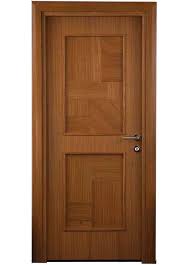
Wooden doors are essential architectural and interior components made from natural wood or engineered wood materials, designed to provide access, security, privacy, and aesthetic enhancement in residential, commercial, and institutional buildings. They are among the oldest and most widely used door types due to their strength, durability, versatility, and timeless visual appeal.
Wooden doors are used in homes, offices, hotels, schools, hospitals, and luxury buildings, offering both functional and decorative value. They can be crafted in simple designs for basic utility or highly detailed styles for premium interior decoration. Depending on construction, wooden doors may be solid, hollow-core, flush, panelled, or engineered, each suited for different performance needs.
Their natural texture, warmth, and adaptability to various finishes such as paint, polish, or veneer make wooden doors a preferred choice in modern architecture.
Definition of Wooden Doors
Wooden doors are hinged or sliding entry systems made from solid or engineered timber, used to close or open access points in buildings while providing security, privacy, and aesthetic value.
Common wood species used in door manufacturing include:
These species are selected for their strength, durability, and attractive grain patterns.
Types of Wooden Doors
1. Solid Wood Doors
Made entirely from natural hardwood or softwood
Extremely strong and durable
Suitable for main entrances and security doors
2. Panel Doors
Constructed with wooden frames and inset panels
Classic design with decorative appeal
Common in residential interiors
3. Flush Doors
Smooth, flat surface design
Lightweight and cost-effective
Widely used in modern buildings
4. Veneered Doors
Covered with thin wood veneer sheets
Provides luxury appearance at lower cost
5. Hollow Core Doors
Lightweight internal structure
Used mainly for interior rooms
6. Engineered Wood Doors
Made from plywood, MDF, or particleboard cores
Stable and resistant to warping
7. Sliding Wooden Doors
Installed on tracks for space-saving use
Common in modern interiors and wardrobes
Physical Characteristics of Wooden Doors
Wooden doors typically exhibit:
Strong and rigid structure
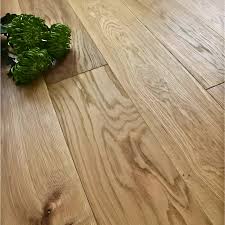
Natural wood grain patterns or smooth finishes
Medium to high density depending on type
Good thermal and acoustic insulation
Resistance to impact and daily wear
Ability to accept paint, polish, or laminate finishes
Their appearance varies from rustic natural wood to modern polished surfaces.
Manufacturing Process of Wooden Doors
The production of wooden doors involves several stages:
1. Timber Selection
High-quality hardwood or engineered wood is selected.
2. Seasoning and Drying
Wood is kiln-dried to reduce moisture content and prevent warping.
3. Cutting and Shaping
Timber is cut into frames, panels, or core structures.
4. Assembly
Components are joined using adhesives, nails, or mechanical fasteners.
5. Surface Finishing
Doors are sanded, polished, veneered, or laminated.
6. Hardware Installation
Locks, hinges, handles, and fittings are attached.
7. Quality Inspection
Doors are tested for strength, alignment, and finish quality.
Tabulated Specification of Wooden Doors
Specification
Details
Product Name
Wooden Doors
Common Species
Tectona grandis, Swietenia macrophylla
Product Type
Architectural wood product
Structure
Solid wood, panel, flush, or engineered core
Surface Finish
Polished, painted, laminated, or veneered
Thickness Range
Typically 25 mm – 50 mm
Durability
High (varies by material and treatment)
Insulation Properties
Good thermal and acoustic insulation
Moisture Resistance
Moderate to high (engineered types perform better)
Hardware Compatibility
Hinges, locks, handles, sliding systems
Main Applications
Residential, commercial, institutional buildings
Storage Conditions
Dry, flat, and protected environment
Packaging
Wrapped and reinforced panels
Traceability
Forestry and manufacturing compliance records
Uses of Wooden Doors
Wooden doors are used across multiple sectors:
1. Residential Buildings
Used for:
Main entrance doors
Bedroom doors
Bathroom doors
Kitchen doors
2. Commercial Buildings
Common in:
Offices
Shops
Restaurants
Shopping malls
3. Hospitality Industry
Used in:
Hotels
Resorts
Guest houses
Luxury suites
4. Institutional Buildings
Applied in:
Schools
Hospitals
Libraries
Government buildings
5. Interior Design Applications
Used for:
Decorative partitions
Wardrobe doors
Sliding panels
Advantages of Wooden Doors
1. Aesthetic Appeal
Provides natural warmth and elegance to interiors.
2. Strong and Durable
Offers long-lasting performance with proper maintenance.
3. Good Insulation
Helps reduce noise and temperature transfer.
4. Design Flexibility
Can be carved, painted, or veneered in various styles.
5. Repairable
Damaged sections can often be repaired or refinished.
6. Versatile Applications
Suitable for both traditional and modern architecture.
Economic Importance
Wooden doors contribute significantly to global industries by:
Supporting construction and real estate development
Driving demand in furniture and interior design markets
Creating employment in woodworking and carpentry sectors
Promoting value-added timber processing
Supporting export markets for finished wood products
They remain a key component of building material industries worldwide.
Environmental Considerations
Sustainable wooden door production involves:
Use of certified and plantation-grown timber
Efficient utilization of wood resources
Recycling of wood waste materials
Reduced reliance on non-renewable materials
Environmentally friendly finishing materials
Engineered doors help reduce pressure on natural forests.
Storage and Handling Guidelines
To maintain quality:
Store in dry, ventilated environments
Keep doors flat to prevent warping
Avoid direct exposure to moisture
Handle carefully to prevent scratches or dents
Allow acclimatization before installation
Proper handling ensures durability and performance.
Quality Control Standards
High-quality wooden doors must meet:
Dimensional accuracy requirements
Moisture content standards
Structural strength tests
Surface finish quality checks
Hardware fitting precision
Environmental and safety compliance
Conclusion
Wooden doors are essential architectural elements widely used in residential, commercial, and institutional buildings. Manufactured from premium wood species such as Tectona grandis, Swietenia macrophylla, and Quercus robur, they provide strength, security, insulation, and aesthetic value.
Their durability, design flexibility, and natural beauty make them a preferred choice in both traditional and modern construction projects. As architectural design continues to evolve, wooden doors remain a timeless and reliable solution for functional and decorative building needs.
In essence, wooden doors are not just entry systems—they are essential structural and design elements that enhance security, comfort, and elegance in built environments worldwide.