Supplier: Jhaylightmusic promotions Phone: 08133196650 Email: hardamjay1234@gmail.com Address: Front of glorious British galaxy school Aba Ibeji Odo Ona kekere Visit Supplier Store
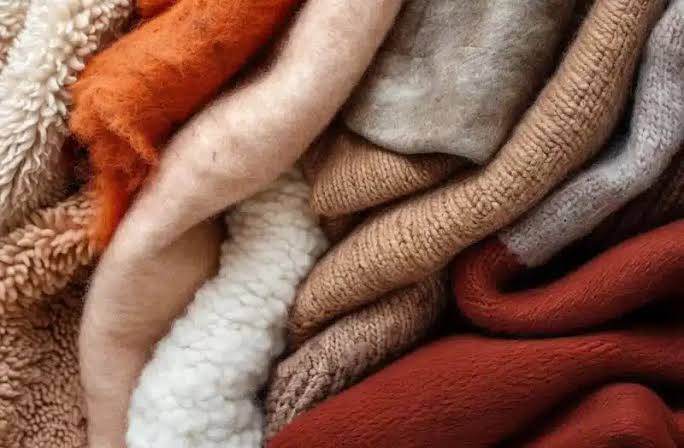
Wool fabric is a natural textile fiber obtained from the fleece of animals, primarily sheep. It is classified as a protein-based natural fiber, meaning it is composed of keratin—the same type of protein found in human hair and nails.
After shearing the animal, the raw wool undergoes several processes such as cleaning (scouring), carding, spinning, and weaving or knitting to form fabric. The resulting textile is soft, elastic, and highly insulating, making it one of the most valuable natural fabrics in the world.
Unlike synthetic fibers, wool has a natural ability to regulate temperature and moisture, which makes it suitable for both cold and moderate climates.
2. Introduction to Wool Fabric
Wool is one of the oldest known textile materials in human history. Its use dates back thousands of years, when early civilizations discovered that animal fleece could be spun into yarn and woven into warm protective clothing.
Over time, wool became a key material in traditional clothing, military uniforms, and high-quality tailoring. Even today, wool remains highly valued in the fashion industry, especially in winter wear and luxury garments.
One of the reasons wool has remained relevant for centuries is its unique combination of comfort, durability, and natural performance features. It is capable of keeping the body warm in cold weather while still allowing airflow to prevent overheating.
Modern textile technology has also refined wool production. Today, different grades and types of wool exist, ranging from coarse wool used in carpets to ultra-soft merino wool used in premium clothing.
Wool is also gaining attention in sustainable fashion because it is renewable, biodegradable, and environmentally friendly compared to many synthetic fabrics.
3. Tabulated Specification of Wool Fabric
Specification Category
Details
Fabric Type
Natural animal fiber textile
Source Material
Sheep fleece (also goats, alpacas, rabbits)
Fiber Composition
Keratin protein
Weave Types
Woven, knitted, felted
Texture
Varies from coarse to ultra-soft
Insulation
Excellent thermal insulation
Moisture Absorption
High (can absorb up to 30% of its weight)
Breathability
High
Elasticity
Natural elasticity and resilience
Odor Resistance
Naturally resistant to odors
Shrinkage
Possible if washed improperly (felting effect)
Care Instructions
Hand wash or dry clean recommended
Dye Compatibility
Accepts dyes well
Sustainability
Renewable and biodegradable
Common Blends
Wool-polyester, wool-cashmere, wool-silk
Typical Uses
Clothing, blankets, carpets, upholstery
4. Types of Wool Fabric
Wool is not a single uniform material; it exists in different types depending on the animal source and fiber quality.
4.1 Merino Wool
Merino wool comes from Merino sheep and is known for its exceptional softness. It is fine, lightweight, and non-itchy, making it ideal for underwear, T-shirts, and base layers.
4.2 Cashmere Wool
Cashmere is obtained from cashmere goats and is one of the most luxurious and expensive types of wool. It is extremely soft, lightweight, and warm.
4.3 Alpaca Wool
Alpaca wool is stronger than sheep wool and contains no lanolin, making it hypoallergenic. It is smooth, silky, and highly insulating.
4.4 Tweed Wool
Tweed is a rough, thick wool fabric often woven in patterns. It is commonly used for jackets and coats due to its durability and weather resistance.
4.5 Felt Wool
Felt is a non-woven wool fabric created by compressing fibers together. It is commonly used in crafts, hats, and industrial applications.
5. Uses of Wool Fabric
5.1 Clothing and Fashion
Wool is widely used in garments such as:
Sweaters
Coats and jackets
Suits and formal wear
Scarves and gloves
Socks and winter accessories
It is especially popular in cold climates because of its insulating properties.
5.2 Home Textiles
Wool is also commonly used in household items:
Blankets and throws
Carpets and rugs
Cushion covers
Upholstery fabric
Its warmth and durability make it ideal for home comfort products.
5.3 Industrial Applications
Beyond fashion, wool is used in:
Insulation materials
Soundproofing panels
Mattress padding
Felt-based machinery parts
Its natural resilience and insulating ability make it useful in technical applications.
5.4 Luxury and High-End Fashion
High-quality wool like cashmere and merino is used in premium fashion brands. It is valued for its softness, elegance, and comfort.
6. Advantages of Wool Fabric
Excellent insulation and warmth
Breathable and moisture-wicking
Naturally odor-resistant
Durable and long-lasting
Renewable and eco-friendly
Elastic and wrinkle-resistant
7. Limitations of Wool Fabric
Can be expensive (especially luxury types)
May shrink if washed incorrectly
Some types can feel itchy on sensitive skin
Requires careful maintenance
Takes longer to dry compared to synthetic fabrics
8. Conclusion
Wool fabric remains one of the most valuable natural textiles in the world due to its unique balance of warmth, comfort, and sustainability. From ancient civilizations to modern fashion houses, wool has consistently proven its usefulness in clothing, home textiles, and industrial applications.
Its ability to regulate temperature, absorb moisture, and remain naturally odor-resistant makes it superior in many functional aspects compared to synthetic alternatives. At the same time, luxury varieties like cashmere and merino have elevated wool into high-fashion markets.
Despite requiring careful maintenance and sometimes higher costs, wool continues to be a preferred fabric for people who value quality, durability, and natural performance. As sustainability becomes more important in the textile industry, wool’s biodegradable and renewable nature ensures that it will remain relevant for generations to come.