Jasmine Rice – Premium Aromatic Rice for Superior Taste and Quality
Introduction
Jasmine rice is one of the most popular and highly valued aromatic rice varieties in the global food market. Renowned for its delicate floral fragrance, soft texture, natural flavor, and elegant appearance, jasmine rice is widely consumed in homes, restaurants, hotels, and food industries around the world. Originally cultivated in Southeast Asia, particularly in Thailand, jasmine rice has gained international recognition for its premium quality and exceptional cooking characteristics.
Scientifically classified as Oryza sativa, jasmine rice is a long-grain rice variety distinguished by its naturally fragrant aroma that resembles the scent of jasmine flowers. This pleasant fragrance develops due to the presence of a natural aromatic compound known as 2-acetyl-1-pyrroline. The rice is highly appreciated for its soft, tender texture after cooking and its ability to complement a wide range of traditional and modern cuisines.
Jasmine rice plays an important role in both domestic consumption and international trade. It is commonly used in Asian dishes, fried rice, curry meals, seafood recipes, grilled dishes, and gourmet cuisine. Its fluffy texture, slightly sticky consistency, and rich aroma make it a preferred choice among chefs, food service providers, and consumers seeking premium-quality rice.
The grain is cultivated under favorable climatic and agricultural conditions to ensure superior yield, purity, and aroma retention. Modern farming practices combined with advanced milling and packaging technologies help preserve the natural fragrance and grain quality throughout processing, transportation, and storage. Premium-grade jasmine rice undergoes strict cleaning, sorting, polishing, grading, and quality control procedures before reaching the market.
Nutritionally, jasmine rice provides carbohydrates, proteins, essential vitamins, and minerals that contribute to balanced nutrition and sustained energy. It serves as an excellent staple food and can be consumed with vegetables, meat, seafood, soups, and sauces. Due to its digestibility and mild flavor, jasmine rice is suitable for various age groups and dietary preferences.
The increasing global demand for aromatic rice varieties has strengthened the commercial importance of jasmine rice in international food markets. Importers, wholesalers, retailers, and food manufacturers continue to seek high-quality jasmine rice because of its excellent consumer acceptance, premium market value, and versatile culinary applications.
Today, jasmine rice remains one of the most recognized premium rice products worldwide. Its luxurious aroma, elegant grain structure, excellent cooking quality, and nutritional benefits continue to make it a trusted and desirable rice variety for households and commercial food industries alike.
Product Definition
Jasmine rice is a premium aromatic long-grain rice variety belonging to the species Oryza sativa. It is characterized by its naturally fragrant aroma, soft texture after cooking, and slightly sticky consistency. The rice is cultivated, harvested, milled, and processed under controlled conditions to maintain grain purity, fragrance, and overall quality.
Jasmine rice is widely used for household consumption, restaurant cooking, catering services, and food manufacturing. It is supplied in different grades and packaging sizes according to market and customer requirements.
Product Features
1. Natural Aromatic Fragrance
Jasmine rice is highly valued for its unique floral aroma that enhances the dining experience and distinguishes it from ordinary rice varieties.
2. Soft and Tender Texture
After cooking, the rice becomes soft, fluffy, and slightly sticky, making it suitable for a wide range of dishes.
3. Premium Long Grains
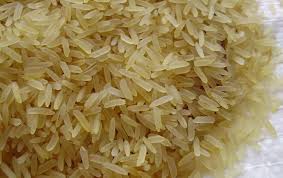
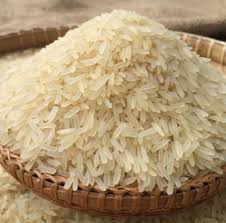
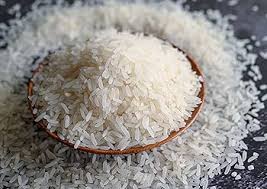
The rice features slender, elegant grains with an attractive appearance and excellent cooking quality.
4. Excellent Taste
Jasmine rice offers a naturally pleasant flavor that pairs well with vegetables, meats, seafood, and sauces.
5. High Consumer Preference
Its aroma, texture, and flavor make jasmine rice a preferred choice in both domestic and international markets.
6. Versatile Culinary Applications
Jasmine rice is suitable for traditional Asian cuisine, modern recipes, gourmet meals, and commercial food preparation.
Tabulated Product Specifications
Parameter
Specification
Product Name
Jasmine Rice
Scientific Name
Oryza sativa
Grain Type
Long Grain Aromatic Rice
Color
Natural White
Aroma
Floral Fragrance
Texture After Cooking
Soft and Slightly Sticky
Moisture Content
Maximum 14%
Purity
95% – 99%
Broken Grains
5% Maximum
Foreign Matter
1% Maximum
Damaged Grains
1% – 2% Maximum
Shelf Life
12 – 24 Months
Packaging
PP Bags / Vacuum Packs / Jute Bags
Packaging Sizes
1kg, 5kg, 25kg, 50kg
Storage Condition
Cool and Dry Place
Main Applications
Household and Commercial Cooking
Quality Grade
Premium Export Grade
Origin
Farm Cultivated and Milled
Nutritional Composition
Jasmine rice provides essential nutrients necessary for balanced nutrition and energy production.
Carbohydrates
Jasmine rice is rich in carbohydrates that provide energy required for daily body functions and physical activities.
Protein
The rice contains moderate levels of protein that support tissue growth and body maintenance.
Vitamins
Jasmine rice contains small amounts of B vitamins that contribute to metabolism and energy conversion.
Minerals
Important minerals such as magnesium, phosphorus, potassium, and iron are naturally present in the rice.
Low Fat Content
The rice contains minimal fat, making it suitable for balanced and healthy diets.
Uses of Jasmine Rice
1. Household Consumption
Jasmine rice is widely consumed in homes due to its pleasant aroma, soft texture, and easy cooking properties.
Common Household Meals
Steamed rice
Fried rice
Curry dishes
Rice bowls
Vegetable rice
Seafood meals
Grilled meat accompaniments
Soup dishes
Its flavor and fragrance enhance both simple and sophisticated meals.
2. Restaurant and Hotel Industry
Restaurants and hotels frequently use jasmine rice because of its premium quality and elegant presentation. It complements various cuisines and improves the overall dining experience.
3. Asian Cuisine
Jasmine rice is a key ingredient in many Asian dishes, especially Thai, Vietnamese, Cambodian, and other Southeast Asian recipes.
Popular Asian Dishes
Thai curry rice
Coconut rice
Chicken rice
Stir-fried rice
Seafood rice dishes
Spicy rice combinations
4. Catering Services
Catering companies prefer jasmine rice because it maintains texture and flavor during large-scale food preparation and serving.
5. Food Manufacturing
Food processors use jasmine rice in packaged meals, frozen foods, ready-to-eat products, and gourmet food items.
Processing and Production
The quality of jasmine rice depends heavily on proper cultivation and processing techniques.
Cultivation
The rice is cultivated in fertile agricultural regions with suitable climate and water conditions to ensure premium grain quality and aroma development.
Harvesting
The crop is harvested at optimal maturity to preserve grain structure and fragrance.
Milling
After harvesting, the rice undergoes cleaning, dehusking, polishing, grading, and sorting to produce premium-quality grains.
Quality Inspection
Each production stage includes quality inspections to ensure purity, moisture balance, and grain consistency.
Packaging
The rice is packaged under hygienic conditions to maintain freshness, aroma, and storage stability.
Quality Assurance
Premium jasmine rice is processed according to strict quality control standards to ensure safety, consistency, and customer satisfaction.
Quality assurance measures include:
Selection of quality seeds
Controlled farming practices
Hygienic processing
Mechanical cleaning and grading
Moisture testing
Aroma preservation
Foreign matter removal
Packaging inspection
Proper storage monitoring
These procedures help maintain premium quality throughout transportation and distribution.
Packaging and Storage
Jasmine rice is packaged in durable moisture-resistant materials designed to protect grain quality during handling and transportation. Common packaging options include woven polypropylene bags, laminated sacks, vacuum-sealed packs, and bulk packaging.
Recommended storage conditions include:
Cool and dry environment
Proper air circulation
Low humidity
Protection from pests
Avoidance of direct sunlight
Elevated pallet storage
Proper storage helps preserve the rice’s natural fragrance, texture, and shelf life.
Advantages of Jasmine Rice
Premium Aroma
Its natural floral fragrance distinguishes jasmine rice from conventional rice varieties.
Excellent Cooking Quality
The rice cooks evenly and produces a soft, fluffy texture with appealing taste.
Strong International Demand
Jasmine rice is highly sought after in global food markets due to its premium reputation.
Versatile Usage
It is suitable for household cooking, restaurants, catering, and industrial food processing.
Attractive Grain Appearance
Long, slender grains improve product presentation and consumer appeal.
Export Importance
Jasmine rice is one of the most valuable aromatic rice products in international agricultural trade. Many countries import premium-grade jasmine rice to meet increasing consumer demand for high-quality aromatic rice varieties.
Export-quality jasmine rice must comply with international standards concerning:
Grain purity
Moisture content
Broken grain percentage
Aroma retention
Food safety requirements
Packaging quality
Reliable suppliers ensure:
Consistent grain quality
Hygienic processing
Competitive pricing
Timely shipment
Secure packaging
Bulk supply capability
These factors contribute to long-term business relationships and strong customer confidence.
Conclusion
Jasmine rice continues to be one of the world’s most admired and commercially valuable rice varieties due to its natural aroma, elegant appearance, soft texture, and excellent flavor. Its premium quality and versatile culinary applications make it highly suitable for household consumption, restaurant use, catering services, and industrial food production.
Carefully cultivated and processed under controlled conditions, premium jasmine rice maintains high standards of purity, freshness, and fragrance. Its nutritional value, digestibility, and appealing cooking characteristics contribute to its strong global demand and market reputation.
From traditional Asian cuisine to modern gourmet meals, jasmine rice remains a trusted and preferred choice for consumers seeking superior-quality aromatic rice. Its commercial importance, export value, and consumer acceptance continue to strengthen its position as one of the leading rice products in international food markets.