Tea Leaves – Natural Leaf Crop for Beverage Production and Global Trade
Introduction
Tea leaves are the young leaves and buds of the tea plant (Camellia sinensis), processed to produce one of the most widely consumed beverages in the world—tea.
Tea leaves are cultivated in tropical and subtropical highland regions and undergo different processing methods to produce various types of tea, including black tea, green tea, white tea, and oolong tea.
Tea is a major global agricultural commodity and an essential part of daily consumption in many cultures.
Product Overview
Tea leaves are harvested from tea bushes and processed through withering, rolling, oxidation (or non-oxidation), drying, and grading. The final product is used for:
Tea beverage production
Instant tea and extracts
Flavored drinks
Food and cosmetic applications
Key Visual Overview
5
Product Features
1. Aromatic Beverage Base
Produces one of the most popular drinks globally.
2. Multiple Product Types
Includes green, black, oolong, and white tea.
3. High Antioxidant Content
Rich in polyphenols and beneficial compounds.
4. Wide Agricultural Adaptability
Grows in tropical and highland climates.
5. Long Shelf Stability
Processed tea has long storage life.
6. Strong Global Demand
One of the most traded agricultural beverages.
Tabulated Product Specifications
Parameter
Specification
Product Name
Tea Leaves
Scientific Name
Camellia sinensis
Product Type
Agricultural Leaf Crop
Color
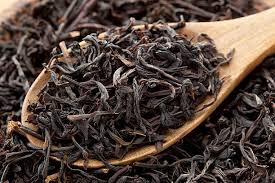
Green (fresh), dark brown/black (processed)
Texture
Soft leaves (fresh), dried brittle leaves
Moisture Content
Low (processed tea)
Main Types
Black, Green, Oolong, White
Shelf Life
6 months – 2 years
Packaging
Tea bags / loose leaf / bulk sacks
Storage Condition
Cool, dry, airtight environment
Main Applications
Beverage, extracts, food flavoring
Quality Grade
Export / Specialty / Commercial
Nutritional and Chemical Composition
Tea leaves contain bioactive compounds:
Key Components
Polyphenols (catechins, flavonoids)
Caffeine
Theanine (amino acid)
Essential oils
Minerals
Potassium
Manganese
Fluoride (in trace amounts)
Types of Tea Leaves
1. Green Tea
Minimally oxidized
Fresh and grassy flavor
High antioxidant content
2. Black Tea
Fully oxidized
Strong flavor and dark color
Most widely consumed globally
3. Oolong Tea
Semi-oxidized
Balanced flavor profile
4. White Tea
Lightly processed young buds
Delicate flavor
Uses of Tea Leaves
1. Beverage Production
Main use for:
Hot tea
Iced tea
Herbal blends
2. Food Industry
Used in:
Tea-flavored desserts
Ice cream
Bakery products
3. Health and Wellness Products
Used in:
Herbal extracts
Dietary supplements
4. Cosmetics Industry
Used in:
Skin care products
Antioxidant creams
5. Industrial Applications
Used in flavor extracts and food additives.
Processing Methods
1. Plucking
Young leaves and buds are handpicked.
2. Withering
Leaves lose moisture and become pliable.
3. Rolling
Leaves are shaped and cell structure is broken.
4. Oxidation (Fermentation)
Controls flavor and color development.
5. Drying
Stops oxidation and preserves leaves.
6. Grading
Leaves are sorted by size and quality.
Quality Assurance
Quality control ensures premium tea standards:
Leaf size grading
Moisture content control
Aroma and flavor testing
Contaminant checks
Color and appearance evaluation
Food safety compliance
Packaging and Storage
Packaging Options
Foil-lined tea bags
Loose leaf tins
Bulk sacks
Vacuum-sealed packs
Storage Conditions
Airtight containers
Cool and dry environment
Away from strong odors
Low humidity
Proper storage preserves aroma and flavor.
Advantages of Tea Leaves
1. High Global Consumption
One of the most popular beverages worldwide.
2. Rich Antioxidant Content
Supports health and wellness.
3. Multiple Product Forms
Wide variety of tea types.
4. Strong Export Market
Major agricultural commodity.
5. Long Shelf Life
Stable when properly processed.
Commercial Importance
Tea leaves are a key global commodity supporting:
Beverage industries
Export economies in Asia and Africa
Health and wellness markets
Food processing industries
They are among the most valuable plantation crops worldwide.
Conclusion
Tea leaves are a highly important agricultural product used to produce one of the world’s most consumed beverages. Through careful cultivation and processing, they develop distinct flavors and health-related compounds that make tea a global staple.
With strong international demand and diverse product types, tea leaves remain a vital commodity in agriculture, trade, and the global beverage industry.