Cashew nuts are among the world’s most cherished tree nuts, valued for their creamy texture, delicate sweetness, and remarkable versatility in both culinary and industrial applications. Scientifically known as Anacardium occidentale, the cashew tree is native to northeastern Brazil but is now widely cultivated in tropical regions across Africa, Asia, and Latin America. Countries such as Vietnam, India, Nigeria, and Côte d’Ivoire are among the leading global producers.
The cashew nut is not actually a true nut in the botanical sense but a seed that grows at the bottom of the cashew apple, a pear-shaped accessory fruit. After harvesting, the seed undergoes a careful process of drying, shelling, peeling, and grading before it reaches consumers in its edible form. This labor-intensive process contributes to its relatively higher market value compared to other nuts.
Cashew nuts are widely consumed as snacks, used in confectionery, blended into dairy alternatives, and incorporated into savory dishes. Beyond their culinary appeal, they are also a rich source of essential nutrients such as healthy fats, proteins, vitamins, and minerals, making them a popular choice among health-conscious consumers.
In global trade, cashew nuts play a significant economic role, supporting millions of smallholder farmers and workers involved in cultivation and processing. Their growing demand in both developed and developing markets reflects not only their taste but also their nutritional and economic importance.
Definition of Cashew Nuts
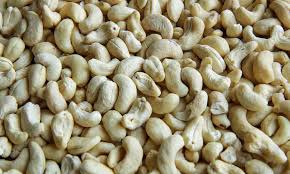
Cashew nuts are the edible kidney-shaped seeds of the cashew tree (Anacardium occidentale). They are encased in a hard shell that contains a caustic oil known as cashew nutshell liquid (CNSL), which must be carefully removed during processing before consumption. Once processed, cashew nuts are available in various forms such as raw, roasted, salted, whole, split, or broken pieces.
They are classified as tree nuts and are commonly grouped alongside almonds, walnuts, pistachios, and hazelnuts. Cashew kernels are characterized by their smooth texture, light ivory color, and mildly sweet, buttery flavor. Due to their rich oil content and soft crunch, they are widely used in both sweet and savory food preparations.
Botanical and Physical Characteristics
The cashew tree is an evergreen tropical plant that can grow up to 12 meters in height. It thrives in warm climates with well-drained sandy soil. The cashew fruit consists of two main parts:
Cashew Apple: A fleshy, juicy, and edible accessory fruit that is often consumed locally or used in juice production.
Cashew Nut (Kernel): The true seed attached externally to the bottom of the cashew apple.
The nut itself is kidney-shaped and enclosed in a double shell structure. The outer shell contains toxic resin, making industrial processing essential for safe consumption. Once processed, the kernel is graded based on size, color, and integrity.
Cashew nuts vary in form, including:
Whole white kernels
Scorched wholes
Splits
Butts
Pieces (small broken kernels)
Nutritional Profile
Cashew nuts are highly nutritious and energy-dense. They provide a balanced combination of macronutrients and micronutrients that support overall health.
Rich in monounsaturated fats (heart-healthy fats)
Good source of plant-based protein
Contains dietary fiber
Rich in essential minerals like magnesium, phosphorus, zinc, copper, and iron
Contains vitamins such as vitamin E, K, and B-complex vitamins (especially B6)
Their moderate carbohydrate content, combined with high fat and protein levels, makes them an excellent energy-boosting food.
Tabulated Specification of Cashew Nuts
Specification
Details
Product Name
Cashew Nuts (Cashew Kernels)
Botanical Name
Anacardium occidentale
Type
Tree Nut / Seed
Origin
Tropical regions (Brazil, India, Vietnam, Africa)
Form
Whole, split, broken, roasted, raw, salted
Color
Creamy white to light ivory
Taste
Mild, buttery, slightly sweet
Texture
Crunchy yet soft
Moisture Content
3% – 5% (standard export grade)
Oil Content
45% – 50%
Protein Content
15% – 18%
Storage Conditions
Cool, dry place away from sunlight
Shelf Life
6 – 12 months (depending on packaging and storage)
W180, W210, W240, W320, W450 (based on kernel size per pound)
Processing Method
Drying, roasting, shelling, peeling, grading
Allergens
Tree nuts (may cause allergic reactions in sensitive individuals)
Health Benefits of Cashew Nuts
Cashew nuts are not only delicious but also offer several scientifically recognized health benefits when consumed in moderation.
1. Heart Health Support
Cashews contain monounsaturated and polyunsaturated fats that help reduce bad cholesterol (LDL) while increasing good cholesterol (HDL). This contributes to improved cardiovascular health and reduced risk of heart disease.
2. Bone Strength
They are rich in magnesium, phosphorus, and calcium, which are essential for maintaining strong bones and teeth. Regular consumption may help reduce the risk of bone-related disorders.
3. Energy Boost
Due to their high caloric density and healthy fat content, cashew nuts serve as an excellent energy source for active individuals and athletes.
4. Supports Brain Function
Cashews contain essential fatty acids and magnesium, which support cognitive function and may enhance memory and concentration.
5. Immune System Enhancement
Zinc and antioxidants found in cashews help strengthen the immune system, allowing the body to fight infections more effectively.
6. Weight Management Support
Despite being calorie-rich, cashews can aid in weight management when consumed in moderation due to their ability to promote satiety and reduce overeating.
7. Skin and Hair Health
Copper in cashew nuts supports melanin production, which is important for healthy skin and hair pigmentation.
Uses of Cashew Nuts
Cashew nuts are highly versatile and used across various industries.
1. Culinary Uses
Cashews are widely used in cooking due to their creamy texture and mild flavor.
Used in curries, especially Indian and Asian cuisine
Blended into sauces and soups for thickness and richness
Used in desserts such as cakes, cookies, and pastries
Roasted and salted as snacks
Used in vegan cheese and dairy alternatives
2. Confectionery Industry
Cashews are a key ingredient in chocolates, nut bars, brittle sweets, and energy snacks. Their soft crunch and buttery flavor make them ideal for premium confectionery products.
3. Dairy Alternatives
Ground cashews are used to produce plant-based milk, cream, yogurt, and cheese substitutes. These products are popular among vegans and lactose-intolerant consumers.
4. Oil Production
Cashew nuts are processed to extract cashew oil, which is used in cooking, cosmetics, and industrial applications due to its stability and nutritional value.
5. Cosmetic Industry
Cashew oil is used in skincare products, lotions, and hair conditioners because of its moisturizing properties and rich vitamin content.
6. Industrial Applications
Cashew nutshell liquid (CNSL), a by-product of processing, is used in:
Brake linings
Paints and varnishes
Lubricants
Anti-corrosion coatings
7. Export and Trade Commodity
Cashew nuts are a major export product for many tropical countries, contributing significantly to foreign exchange earnings and rural employment.
Processing and Quality Control
The processing of cashew nuts involves several critical steps to ensure safety and quality:
Harvesting – Cashew apples are picked once mature.
Drying – Nuts are sun-dried to reduce moisture content.
Shelling – Mechanical or manual removal of the outer shell.
Peeling – Removal of the thin testa (skin) covering the kernel.
Grading – Sorting based on size, color, and integrity.
Packaging – Vacuum sealing or protective packaging for export.
Quality control ensures that cashews are free from contamination, properly dried, and meet international food safety standards.
Storage Guidelines
Proper storage is essential to maintain freshness and prevent spoilage:
Store in airtight containers to prevent moisture absorption
Keep in a cool and dry environment
Avoid exposure to direct sunlight and heat
Refrigeration is recommended for long-term storage
Protect from insects and contamination
When stored correctly, cashew nuts retain their flavor and nutritional quality for several months.
Economic Importance
Cashew nuts contribute significantly to the global economy. Millions of farmers depend on cashew cultivation for their livelihood. The processing industry also creates employment opportunities in rural and semi-urban areas, particularly in developing countries.
Countries like India and Vietnam have developed large-scale processing industries that add value to raw cashew nuts before export. Africa is also a major producer, with increasing investment in local processing to boost value addition.
The rising demand for healthy snacks, plant-based foods, and natural ingredients continues to drive growth in the cashew market worldwide.
Conclusion
Cashew nuts are a remarkable agricultural product that combines nutritional richness, culinary versatility, and economic importance. From their origin as seeds on tropical cashew trees to their transformation into a globally traded food commodity, cashews undergo a complex yet fascinating journey.
They are valued not only for their delicious taste but also for their wide-ranging health benefits, including heart support, improved bone strength, enhanced energy, and immune system support. Their applications span across food industries, cosmetics, pharmaceuticals, and industrial manufacturing, making them one of the most versatile natural products in the world.
As global demand for healthy and plant-based foods continues to rise, cashew nuts are expected to maintain their strong position in international markets. Whether consumed as a snack, used in cooking, or processed into value-added products, cashew nuts remain a symbol of nutrition, sustainability, and economic opportunity.
In essence, cashew nuts are more than just a snack—they are a globally significant superfood that bridges agriculture, health, and industry in a single natural product.