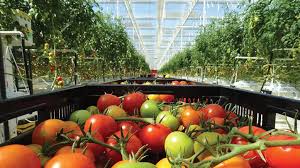
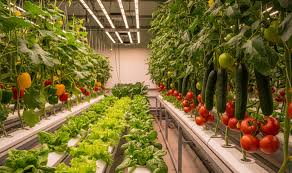
Hydroponic vegetables are fresh vegetables grown without soil, using a nutrient-rich water solution that delivers essential minerals directly to plant roots. This modern agricultural system allows plants to grow in controlled environments such as greenhouses, vertical farms, or indoor farming units, where temperature, light, and nutrients are carefully managed.
Unlike traditional farming, hydroponics eliminates the need for arable soil and relies on water-based cultivation techniques that optimize plant growth, reduce water usage, and increase yield per unit area. This makes hydroponic vegetable production especially important in urban farming, areas with poor soil quality, and regions facing climate challenges.
Hydroponically grown vegetables are known for their clean appearance, fast growth cycles, and consistent quality. They are widely used in fresh markets, supermarkets, restaurants, and food service industries due to their freshness, safety, and year-round availability.
Definition of Hydroponic Vegetables
Hydroponic vegetables are vegetables cultivated using hydroponic farming systems, where plants grow in water enriched with essential nutrients instead of soil.
The term “hydroponics” comes from Greek words meaning “water working.” In this system, plant roots are supported by inert growing media such as coco peat, perlite, rock wool, or clay pellets while receiving nutrients through water circulation.
Hydroponic farming allows precise control of plant nutrition, resulting in faster growth rates, higher productivity, and reduced exposure to soil-borne diseases and pests.
How Hydroponic Farming Works
Hydroponic vegetable production is based on delivering nutrients directly to plant roots through water systems. Key components include:
Nutrient solution (water + essential minerals)
Growing medium (non-soil support materials)
Oxygen supply for roots
Controlled light (natural or artificial)
pH and nutrient monitoring systems
This system ensures plants receive optimal conditions for growth throughout their lifecycle.
Types of Hydroponic Systems
Hydroponic vegetables can be grown using different systems:
1. Nutrient Film Technique (NFT)
A thin film of nutrient solution continuously flows over plant roots.
2. Deep Water Culture (DWC)
Roots are suspended in oxygenated nutrient-rich water.
3. Drip System
Nutrient solution is dripped directly onto plant roots through tubes.
4. Ebb and Flow System
Plants are periodically flooded with nutrient solution and then drained.
5. Aeroponics
Roots are suspended in air and misted with nutrients.
6. Vertical Hydroponics
Plants are grown in stacked layers to maximize space efficiency.
Common Hydroponic Vegetables
Hydroponic systems are ideal for growing a wide range of vegetables, including:
Lettuce
Spinach
Kale
Basil
Tomatoes
Cucumbers
Bell peppers
Arugula
Mint
Spring onions
These crops are preferred because they grow quickly and adapt well to controlled environments.
Botanical Example
One of the most commonly grown hydroponic vegetables is lettuce:
Lactuca sativa
Lettuce is widely used in hydroponic systems because it has a short growth cycle, requires minimal space, and thrives in controlled nutrient solutions. It is a staple in salads and fresh food markets globally.
Production Process of Hydroponic Vegetables
Hydroponic vegetable cultivation follows a structured and controlled process:
1. Seed Selection and Germination
High-quality seeds are germinated in inert media such as rock wool or coco peat.
2. Seedling Development
Young plants are nurtured in controlled environments until roots are strong enough.
3. Transplanting
Seedlings are transferred into hydroponic systems.
4. Nutrient Management
Plants receive a balanced water-based nutrient solution containing nitrogen, potassium, phosphorus, and micronutrients.
5. Environmental Control
Light, temperature, humidity, and CO₂ levels are regulated to optimize growth.
6. Monitoring and Maintenance
pH levels, nutrient concentration, and water quality are continuously monitored.
7. Harvesting
Vegetables are harvested at peak maturity for maximum freshness and flavor.
Physical and Sensory Characteristics
Hydroponic vegetables have unique qualities:
Clean, soil-free appearance
Uniform size and shape
Crisp texture and fresh aroma
Consistent color and quality
Minimal dirt or contamination
Longer shelf life compared to some field-grown produce
Their controlled growth environment results in highly predictable product quality.
Tabulated Specification of Hydroponic Vegetables
Specification
Details
Product Name
Hydroponic Vegetables
Farming Method
Soil-less hydroponic cultivation
Growth Medium
Water-based nutrient solution + inert media
Systems Used
NFT, DWC, drip, aeroponics, vertical systems
Appearance
Clean, uniform, soil-free
Taste
Fresh, natural, consistent
Nutrient Content
High in vitamins, minerals, and antioxidants
Pesticide Use
Minimal to none
Growth Rate
Faster than traditional farming
Water Usage
Up to 80–90% less than soil farming
Shelf Life
Moderate to long depending on crop
Storage Conditions
Cool, refrigerated environment
Packaging
Clean, hygienic, often plastic-free or eco-packaged
Traceability
High (controlled production systems)
Advantages of Hydroponic Vegetables
Hydroponic farming offers several key benefits:
1. Water Efficiency
Uses significantly less water compared to soil farming.
2. Faster Growth
Plants grow faster due to direct nutrient absorption.
3. Space Efficiency
Can be grown vertically in urban areas.
4. Year-Round Production
Not dependent on seasons or climate conditions.
5. Reduced Pesticide Use
Controlled environments reduce pest and disease risks.
6. Higher Yield
Produces more crops per square meter than traditional farming.
Uses of Hydroponic Vegetables
Hydroponic vegetables are used across various sectors:
1. Household Consumption
Used in daily meals such as salads, soups, and fresh dishes.
2. Restaurants and Hotels
Preferred for:
Fresh salads
Gourmet dishes
High-end culinary presentations
3. Supermarkets and Retail Chains
Sold as premium, clean-label fresh produce.
4. Food Processing Industry
Used in:
Pre-packaged salads
Ready-to-eat meals
Frozen vegetable mixes
5. Health and Wellness Industry
Used in:
Diet plans
Detox programs
Nutritional meal kits
6. Urban and Commercial Farming
Widely used in:
Vertical farms
Rooftop farms
Indoor farming systems
Health Benefits of Hydroponic Vegetables
Hydroponic vegetables provide several health advantages:
1. Clean and Safe Produce
Grown in controlled environments with minimal contamination.
2. Rich in Nutrients
Contain essential vitamins, minerals, and antioxidants.
3. Freshness
Harvested at peak maturity for maximum nutritional value.
4. Reduced Chemical Exposure
Minimal pesticide and herbicide usage.
5. Supports Healthy Diets
Ideal for balanced and low-calorie diets.
Economic Importance
Hydroponic vegetable production is becoming an important sector in modern agriculture due to:
Urban food production solutions
High market value for premium vegetables
Reduced dependency on arable land
Job creation in agri-tech industries
Increased food security in urban areas
It is especially valuable in regions with limited farmland or harsh climatic conditions.
Environmental Importance
Hydroponic systems support environmental sustainability by:
Reducing water consumption
Eliminating soil degradation
Minimizing pesticide runoff
Enabling local food production
Reducing transportation emissions through urban farming
Storage and Handling Guidelines
Proper handling ensures quality preservation:
Store in refrigerated conditions
Avoid exposure to direct sunlight
Maintain hygienic handling practices
Use breathable or food-safe packaging
Minimize post-harvest damage
Quality Control Standards
High-quality hydroponic vegetables must meet strict standards:
Uniform size and color
Freshness and crisp texture
Absence of pests and diseases
Clean, soil-free appearance
Controlled nutrient and pH management records
Food safety compliance
Conclusion
Hydroponic vegetables represent a modern, innovative approach to sustainable agriculture that eliminates the need for soil while maximizing productivity and resource efficiency. Grown in controlled environments using nutrient-rich water systems, they offer clean, safe, and high-quality produce suitable for both local and global markets.
Their applications extend across households, restaurants, supermarkets, and commercial food industries, making them a vital part of the future food supply chain. With benefits such as reduced water usage, higher yields, and year-round production, hydroponic farming is transforming how vegetables are grown and consumed.
In essence, hydroponic vegetables are not just an alternative farming method—they are a forward-looking solution to global food security, urban agriculture, and sustainable living in an increasingly resource-constrained world.