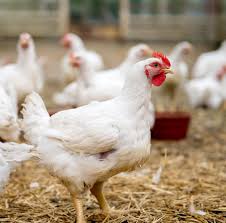
Live chickens are domesticated poultry birds raised and traded for various purposes including meat production, egg laying, breeding, and backyard farming. They are one of the most widely reared livestock animals in the world due to their adaptability, fast growth rate, relatively low production cost, and high nutritional value.
Chickens play a central role in global food systems, especially in rural and peri-urban agriculture where they serve as a source of income, protein, and food security. They are kept under different production systems ranging from traditional free-range farming to intensive commercial poultry operations.
The demand for live chickens continues to grow due to increasing consumption of poultry meat and eggs, as well as their importance in cultural, religious, and commercial practices across many regions.
Definition of Live Chickens
Live chickens are domesticated birds belonging to the poultry family that are raised alive for agricultural, commercial, or domestic purposes. They are typically managed for:
Meat production (broilers)
Egg production (layers)
Breeding stock (parent stock or hatchery use)
Backyard or subsistence farming
They are scientifically classified as domesticated forms of:
Gallus gallus domesticus
This species has been selectively bred over centuries to enhance productivity traits such as growth rate, egg-laying capacity, feed efficiency, and disease resistance.
Types of Live Chickens
Live chickens are generally categorized based on their purpose:
1. Broiler Chickens
Raised primarily for meat production
Fast growth rate (5–8 weeks to market weight)
Tender meat and high feed conversion efficiency
2. Layer Chickens
Raised for egg production
High laying capacity (250–320 eggs per year depending on breed)
Longer productive lifespan
3. Dual-Purpose Chickens
Used for both meat and eggs
Common in small-scale and backyard farming systems
4. Breeder Chickens
Used for producing fertilized eggs
Managed under controlled breeding programs
5. Free-Range Chickens
Raised in open environments
Feed on natural diets in addition to formulated feed
Known for richer flavor and firmer meat texture
Physical and Biological Characteristics
Live chickens share several key characteristics:
Covered in feathers for insulation and protection
Beak-shaped mouth adapted for pecking food
Lightweight skeletal structure
High reproductive capacity
Omnivorous diet (grains, insects, greens)
Rapid growth cycle in commercial breeds
Their physical appearance varies depending on breed, including differences in size, feather color, comb shape, and body structure.
Production and Rearing Process
The production of live chickens involves several carefully managed stages:
1. Hatchery Stage
Fertilized eggs are incubated under controlled temperature and humidity until hatching.
2. Brooding Stage
Chicks are kept in warm environments to support early growth and immunity development.
3. Grow-Out Stage
Birds are fed balanced diets to support rapid weight gain or egg development.
4. Health Management
Vaccination and disease prevention programs are implemented to maintain flock health.
5. Feeding Management
Chickens are fed formulated rations rich in protein, energy, vitamins, and minerals.
6. Housing Systems
They may be raised in:
Deep litter systems
Cage systems
Free-range systems
Semi-intensive systems
7. Market Preparation
Birds are selected and prepared for sale based on weight, age, and purpose.
Common Breeds of Chickens
Live chickens come in various breeds, including:
Rhode Island Red
Plymouth Rock
Leghorn
Cornish Cross
Sussex
Brahma
Local indigenous breeds
Each breed has specific traits such as growth speed, egg production rate, and adaptability to environmental conditions.
Tabulated Specification of Live Chickens
Specification
Details
Product Name
Live Chickens
Scientific Name
Gallus gallus domesticus
Product Type
Livestock / Poultry
Purpose
Meat, eggs, breeding
Weight Range
1 kg – 5 kg (depending on breed and age)
Lifespan
5–10 years (commercial cycles shorter)
Diet
Grains, commercial feed, insects, greens
Housing
Cage, free-range, deep litter systems
Growth Rate
5–20 weeks depending on production type
Temperature Requirement
Moderate (varies by system)
Health Management
Vaccination and biosecurity measures
Packaging/Transport
Ventilated crates or poultry transport cages
Traceability
Farm-based or commercial poultry systems
Uses of Live Chickens
Live chickens are used in multiple sectors:
1. Meat Production
Broiler chickens are processed into chicken meat for domestic and commercial consumption.
2. Egg Production
Layer chickens provide eggs used for household consumption, baking, and food processing industries.
3. Breeding and Hatchery Operations
Selected chickens are used to produce fertilized eggs for new flocks.
4. Backyard Farming
Small-scale farmers raise chickens for food security and supplemental income.
5. Cultural and Traditional Uses
Chickens are used in ceremonies, rituals, and cultural events in many societies.
6. Commercial Poultry Business
Large-scale farms supply supermarkets, restaurants, and food processors.
Nutritional and Economic Importance
Live chickens contribute significantly to global nutrition and economies:
1. High-Quality Protein Source
Chicken meat and eggs provide essential amino acids for human health.
2. Affordable Livestock Option
Requires relatively low investment compared to cattle or goats.
3. Income Generation
Supports livelihoods for millions of smallholder farmers.
4. Food Security
Provides a consistent source of animal protein.
5. Fast Production Cycle
Quick turnover makes poultry farming highly efficient.
Health and Management Considerations
Proper management is essential for healthy chicken production:
Vaccination against common poultry diseases
Clean and hygienic housing conditions
Proper ventilation systems
Balanced nutrition
Regular health monitoring
Biosecurity measures to prevent disease outbreaks
Environmental Importance
Poultry farming contributes to agricultural systems in several ways:
Efficient feed conversion compared to larger livestock
Manure used as organic fertilizer
Integration into mixed farming systems
Lower land requirements per unit of protein produced
However, proper waste management is necessary to avoid environmental pollution.
Storage and Transportation Guidelines
Live chickens must be handled carefully:
Transport in ventilated cages
Avoid overcrowding to reduce stress
Provide water before long transport (where applicable)
Maintain clean and dry transport conditions
Minimize exposure to extreme heat or cold
Quality Control Standards
High-quality live chickens must meet:
Healthy appearance (bright eyes, active behavior)
Proper body weight for age
Free from visible disease symptoms
Good feather condition
Vaccination and health certification (for commercial trade)
Compliance with veterinary inspection standards
Conclusion
Live chickens are one of the most important livestock commodities in global agriculture, providing essential protein sources through meat and eggs while supporting livelihoods, food security, and rural economies. As a domesticated species, Gallus gallus domesticus has been selectively bred to meet diverse production needs, from fast-growing broilers to high-yield egg-laying hens.
Their versatility, affordability, and rapid production cycle make them a cornerstone of both small-scale farming and large commercial poultry industries. Beyond their economic value, live chickens contribute significantly to nutrition, sustainable agriculture, and global food systems.
In essence, live chickens are not just livestock—they are a vital agricultural asset that bridges nutrition, income generation, and sustainable farming practices across the world.