Live cattle are domesticated bovine animals raised and traded for multiple agricultural purposes, primarily meat production (beef and veal), milk production, breeding, and draught power in some farming systems. They are among the most economically significant livestock species in the world, forming the backbone of the global meat and dairy industries.
Cattle farming plays a central role in rural livelihoods, food security, and agricultural trade. Live cattle are kept under different production systems ranging from smallholder free-grazing herds to highly intensive feedlot operations. Their value is determined by breed, age, weight, health status, and intended use.
Because cattle can be processed into a wide range of products—meat, milk, leather, and by-products—they are considered one of the most versatile and valuable livestock assets in agriculture.
Definition of Live Cattle
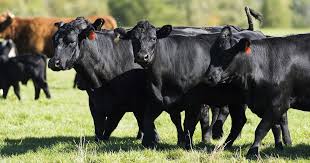
Live cattle refer to fully grown bovine animals that are alive and maintained for agricultural production, trade, or breeding purposes. They include calves, heifers, steers, bulls, and cows depending on age, sex, and reproductive status.
Most domestic cattle belong to the species:
Bos taurus
This species has been selectively bred over thousands of years to enhance traits such as milk yield, muscle development, disease resistance, and adaptability to different climates.
Classification of Live Cattle
Live cattle are categorized based on their function and biological status:
1. Beef Cattle
Raised primarily for meat production
Selected for muscle development and rapid weight gain
Common breeds include Angus, Hereford, and Charolais
2. Dairy Cattle
Raised for milk production
High lactation capacity
Common breeds include Holstein-Friesian and Jersey
3. Dual-Purpose Cattle
Used for both milk and meat production
Suitable for smallholder farming systems
4. Breeding Cattle
Selected for reproduction and herd improvement
High genetic value animals
5. Draft Cattle
Used for farm labor such as plowing and transportation
More common in traditional agricultural systems
Physical and Biological Characteristics
Live cattle possess distinctive biological features:
Large body size and strong skeletal structure
Ruminant digestive system (four stomach compartments)
Horns (in some breeds) or polled (hornless) varieties
Thick skin and hair coat adapted to climate
Herbivorous diet based on grass and forage
Long lifespan compared to other livestock species
Their adaptability allows them to thrive in diverse environmental conditions worldwide.
Production and Rearing Systems
Cattle are raised under several farming systems:
1. Extensive Grazing System
Animals roam freely on natural pastures
Low input, large land requirement
Common in rural and pastoral regions
2. Semi-Intensive System
Combination of grazing and supplemental feeding
Moderate productivity and control
3. Intensive Feedlot System
Cattle are confined and fed high-energy diets
Rapid weight gain for beef production
High productivity and market efficiency
4. Dairy Stall Systems
Cows are housed and milked regularly
Controlled feeding and health monitoring
Feeding and Nutrition
Cattle are ruminants, meaning they digest plant material through microbial fermentation. Their diet includes:
Grass and pasture forage
Silage and hay
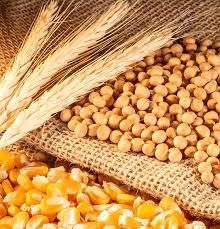
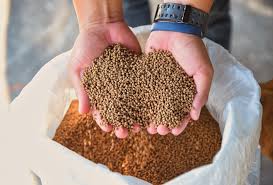
Maize, grains, and formulated feed
Protein supplements (soybean meal, oil cakes)
Mineral and vitamin mixtures
Proper nutrition is essential for growth, milk production, fertility, and overall health.
Breeding and Reproduction
Cattle reproduction is carefully managed to ensure productivity:
Sexual maturity reached at 12–24 months depending on breed
Gestation period of approximately 9 months
One calf per pregnancy (twins are rare)
Artificial insemination widely used in modern farming
Maintaining cattle health requires structured management practices:
Vaccination against diseases such as foot-and-mouth disease
Regular deworming and parasite control
Clean water supply and hygiene management
Proper housing and ventilation
Routine veterinary inspection
Biosecurity measures to prevent disease spread
Healthy cattle ensure better productivity and reduced economic losses.
Tabulated Specification of Live Cattle
Specification
Details
Product Name
Live Cattle
Scientific Name
Bos taurus
Product Type
Livestock / Bovine animals
Uses
Meat, milk, breeding, draft power
Weight Range
150 kg – 900+ kg (depending on breed and age)
Lifespan
15 – 25 years
Diet
Grass, forage, silage, grains
Housing Systems
Grazing, feedlot, stall systems
Reproduction Cycle
~12–24 months maturity; 9-month gestation
Growth Rate
Slow to moderate (breed dependent)
Health Management
Vaccination, deworming, veterinary care
Transport Method
Livestock trucks with ventilation and space control
Traceability
Farm/herd identification systems
Uses of Live Cattle
Live cattle serve multiple economic and industrial purposes:
1. Beef Production
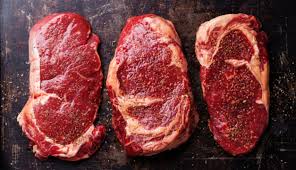
Cattle are processed into beef, one of the most widely consumed meats globally.
2. Dairy Production
Dairy cows produce milk used for:
Drinking milk
Cheese
Butter
Yogurt
Milk-based beverages
3. Breeding Stock
High-quality cattle are used to improve herd genetics and productivity.
4. Leather Industry
Cattle hides are processed into leather for:
Shoes
Bags
Belts
Upholstery
5. Agricultural Draft Power
In some regions, cattle are used for:
Plowing fields
Transportation
Hauling goods
6. Manure Production
Cattle manure is used as:
Organic fertilizer
Biogas production material
Economic Importance
Live cattle are one of the most valuable livestock commodities globally:
Major source of meat and dairy products
Supports rural livelihoods and farming communities
Generates employment across agriculture and processing industries
Significant export commodity in many countries
Provides raw materials for leather and pharmaceutical industries
Cattle farming is a key driver of agricultural GDP in many economies.
Environmental Considerations
Cattle production has both positive and challenging environmental impacts:
Utilization of grasslands and marginal lands
Production of methane (greenhouse gas concern)
Manure contributes to soil fertility
Requires sustainable grazing management
Integration into mixed farming systems improves efficiency
Modern practices focus on reducing environmental footprint through improved feed efficiency and better herd management.
Transportation and Handling Guidelines
Live cattle require careful handling during transport:
Use spacious, ventilated livestock trucks
Avoid overcrowding to reduce stress
Provide rest stops during long journeys
Ensure access to water when possible
Minimize stress to prevent weight loss and injury
Follow animal welfare regulations
Proper handling improves meat quality and animal welfare.
Quality Control Standards
High-quality live cattle must meet:
Good body condition score (healthy weight and muscle)
Free from visible disease or lameness
Proper vaccination and veterinary certification
Adequate age and weight for intended market
Clean coat and healthy behavior
Traceable farm origin records
Conclusion
Live cattle are among the most important livestock animals in global agriculture, providing essential resources such as meat, milk, leather, and manure. As domesticated bovines classified under Bos taurus, they have been central to human civilization for thousands of years.
Their versatility, economic value, and contribution to food security make them a cornerstone of rural development and global trade. Whether raised for beef, dairy, or breeding, cattle remain vital to sustaining agricultural economies and feeding growing populations.
In essence, live cattle are not just farm animals—they are a foundational agricultural asset that supports nutrition, livelihoods, and global food systems across the world.