Hatchery equipment refers to specialized tools, machines, systems, and accessories used in fish hatcheries, poultry hatcheries, shrimp hatcheries, and other breeding facilities to support the controlled incubation, breeding, hatching, and early-stage rearing of aquatic or livestock species. These equipment systems are designed to improve survival rates, maintain environmental stability, increase productivity, and ensure efficient hatchery operations.
In aquaculture and poultry production, hatchery equipment plays a critical role in maintaining optimal temperature, oxygen levels, humidity, water quality, sanitation, and feeding conditions required for healthy embryo and juvenile development. Modern hatchery systems combine automation, monitoring technology, and precision control to improve hatchability and reduce losses.
The increasing global demand for fish, shrimp, poultry, and other protein sources has significantly expanded the need for reliable and high-quality hatchery equipment in commercial farming operations.
Definition of Hatchery Equipment
Hatchery equipment refers to mechanical, electrical, and environmental control systems used in hatcheries to support breeding, egg incubation, hatching, larval rearing, water management, feeding, and environmental monitoring.
Common hatchery equipment includes:
Fish Egg Incubator Automatic Egg Incubator Aeration System
These systems help create controlled conditions necessary for successful reproduction and juvenile growth.
Types of Hatchery Equipment
1. Egg Incubators
Used to maintain optimal conditions for embryo development and hatching.
Features may include:
Temperature control
Humidity regulation
Automatic turning systems
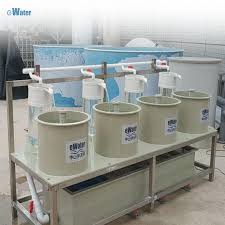
2. Hatching Tanks and Trays
Specialized containers used for egg incubation and larval hatching in aquaculture systems.
3. Aeration and Oxygenation Systems
Provide dissolved oxygen required for aquatic hatchery environments.
Examples:
Air blowers
Diffusers
Oxygen generators
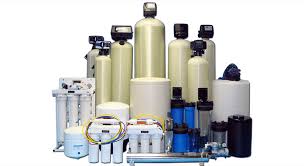
4. Water Filtration Systems
Maintain water quality by removing waste and contaminants.
5. Heating and Temperature Control Equipment
Used to stabilize environmental conditions during incubation and rearing.
6. Feeding Equipment
Automated or manual feeding systems for fry, larvae, or chicks.
7. Water Pumps and Circulation Systems
Support water movement and oxygen distribution.
8. Monitoring and Control Systems
Digital systems used to monitor:
Temperature
pH
Oxygen levels
Humidity
Water quality
Materials and Construction
Hatchery equipment may be manufactured using:
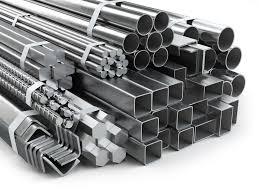
Stainless steel
Food-grade plastics
Fiberglass
PVC materials
Electronic control components
Rubber and silicone fittings
Durable and corrosion-resistant materials are important in aquatic environments.
Manufacturing and Assembly Process
The production of hatchery equipment generally includes:
1. Design and Engineering
Systems are designed based on hatchery requirements and species needs.
2. Material Fabrication
Metal, plastic, and electronic components are manufactured and assembled.
3. Installation of Control Systems
Sensors, motors, thermostats, and automation systems are integrated.
4. Testing and Calibration
Equipment is tested for performance, safety, and accuracy.
5. Packaging and Distribution
Finished equipment is prepared for transportation and installation.
Physical and Operational Characteristics
High-quality hatchery equipment typically exhibits:
Reliable operational performance
Corrosion resistance
Energy efficiency
Accurate environmental control
Durable construction
Easy cleaning and maintenance
Tabulated Specification of Hatchery Equipment
Specification
Details
Product Name
Hatchery Equipment
Common Products
Fish Egg Incubator, Automatic Egg Incubator
Product Type
Hatchery and breeding support equipment
Main Applications
Aquaculture, poultry, shrimp hatcheries
Functions
Incubation, aeration, filtration, temperature control
Common Materials
Stainless steel, plastic, fiberglass, PVC
Operating Systems
Manual, semi-automatic, automatic
Environmental Controls
Temperature, oxygen, humidity, pH monitoring
Power Requirements
Electricity or alternative energy systems
Installation Types
Portable or fixed systems
Maintenance Requirements
Cleaning, calibration, inspection
Packaging
Crated machinery, boxed components
Traceability
Equipment serial and production records
Uses of Hatchery Equipment
Hatchery equipment is used in multiple production systems:
1. Fish Hatcheries
Used for:
Egg incubation
Fry production
Water quality management
2. Shrimp Hatcheries
Supports larval development and controlled aquatic environments.
3. Poultry Hatcheries
Used in commercial chick production systems.
4. Ornamental Fish Breeding
Supports aquarium fish reproduction and larval care.
5. Research and Educational Facilities
Used in aquaculture and animal science laboratories.
Benefits of Hatchery Equipment
1. Improved Hatchability
Provides optimal environmental conditions for embryo development.
2. Better Survival Rates
Supports healthy larval and juvenile growth.
3. Increased Production Efficiency
Automation reduces labor and improves operational consistency.
Supports stable conditions critical for hatchery success.
Economic Importance
Hatchery equipment contributes significantly to agriculture and aquaculture industries by:
Supporting large-scale fish and poultry production
Increasing hatchery productivity and profitability
Reducing mortality and production losses
Creating employment in manufacturing and farming sectors
Supporting food security and protein production
Modern hatchery systems are essential for intensive farming operations.
Environmental Considerations
Sustainable hatchery equipment use involves:
Energy-efficient system design
Responsible water management
Waste reduction and recycling systems
Environmentally safe materials and chemicals
Reduced water pollution in hatchery operations
Efficient systems help minimize environmental impact while improving production.
Storage and Maintenance Guidelines
To ensure long-term performance:
Clean and disinfect equipment regularly
Inspect pumps, sensors, and electrical systems
Store spare components in dry environments
Calibrate monitoring equipment periodically
Replace worn parts promptly
Proper maintenance improves equipment lifespan and operational reliability.
Quality Control Standards
High-quality hatchery equipment must meet:
Operational efficiency standards
Electrical and mechanical safety requirements
Corrosion and water resistance specifications
Accurate monitoring and control performance
Hygiene and sanitation standards
Manufacturing and traceability certifications
Conclusion
Hatchery equipment is an essential component of modern aquaculture, poultry production, and aquatic breeding systems. Equipment such as Fish Egg Incubator, Automatic Egg Incubator, and Aeration System helps maintain controlled environments necessary for successful hatching, larval development, and juvenile growth.
Its role in improving hatchability, survival rates, productivity, and operational efficiency makes hatchery equipment a critical investment for commercial farming and breeding operations. As global demand for seafood and livestock products continues to grow, advanced hatchery equipment will remain essential for sustainable food production and efficient breeding systems.
In essence, hatchery equipment is not just farming machinery—it is a specialized technological solution that supports modern hatchery management, aquaculture development, and global food security.