Silica sand is a high-purity form of sand composed primarily of silicon dioxide (SiO₂). It is one of the most widely used industrial minerals in the world due to its hardness, chemical stability, and high melting point.
It plays a crucial role in glass manufacturing, construction, foundry casting, water filtration, ceramics, and chemical industries. Because of its durability and resistance to heat and chemicals, silica sand is an essential raw material in modern industrial production.
Definition of Silica Sand
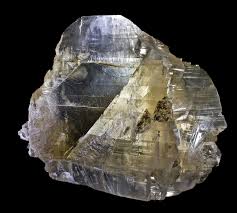
Silica sand is a naturally occurring granular material made up mainly of quartz (SiO₂). It is obtained from weathering and erosion of quartz-rich rocks and is then processed to remove impurities such as clay, iron oxides, and heavy minerals.
It is typically sourced from:
Riverbeds
Dune deposits
Coastal sands
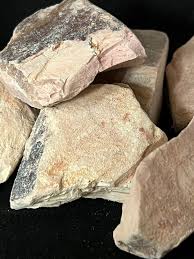
Quartz rock quarries
Types of Silica Sand
1. Industrial Silica Sand
High purity (low iron content)
Used in glass and chemical industries
2. Construction Silica Sand
Used in concrete, mortar, and plaster
Medium purity requirements
3. Foundry Sand
Used in metal casting molds
High thermal resistance required
4. Filter Sand
Used in water filtration systems
Clean, uniform grain size
5. Glass-Grade Silica Sand
Very high purity (>99% SiO₂)
Used in glass bottles, windows, and fiberglass
Physical and Chemical Characteristics of Silica Sand
Silica sand is known for:
High silicon dioxide content (SiO₂)
Hard, granular texture
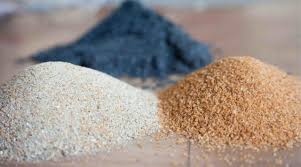
Light to off-white or beige color
High melting point (~1710°C)
Chemical inertness (non-reactive)
High resistance to weathering
Uniform grain size (depending on processing)
Formation of Silica Sand
Silica sand is formed through natural geological processes:
1. Weathering of Quartz Rocks
Quartz-rich rocks break down over time due to erosion.
2. Transport by Water and Wind
Particles are carried to riverbeds, beaches, and dunes.
3. Natural Sorting
Heavier impurities are removed, leaving high-silica deposits.
4. Sedimentation
Clean silica accumulates in large deposits over time.
Extraction and Processing of Silica Sand
1. Mining
Silica sand is extracted from open pits, riverbeds, or quarries.
2. Washing
Removes clay, silt, and organic impurities.
3. Screening
Separates sand by grain size.
4. Magnetic Separation
Removes iron and metallic impurities.
5. Drying
Reduces moisture content for industrial use.
6. Grading
Sand is sorted into specific particle size ranges.
7. Packaging
Processed sand is packed in bulk bags or sacks.
Tabulated Specification of Silica Sand
Specification
Details
Product Name
Silica Sand
Chemical Composition
Silicon dioxide (SiO₂)
Rock Type
Sedimentary / quartz-based mineral
Color
White, off-white, beige
Hardness
High (Mohs ~7)
Melting Point
~1710°C
Grain Size
Fine to coarse (varies by use)
Purity Level
90%–99.9% SiO₂ depending on grade
Main Applications
Glass, construction, foundry, filtration
Chemical Reactivity
Chemically inert
Storage Conditions
Dry environment
Uses of Silica Sand
1. Glass Manufacturing
Bottles, windows, and fiberglass
Optical and industrial glass products
2. Construction Industry
Concrete and mortar production
Flooring and plaster materials
3. Foundry Industry
Metal casting molds
Heat-resistant molding material
4. Water Filtration
Used in municipal and industrial filtration systems
Removes impurities from water
5. Ceramics and Refractories
Used in tiles, ceramics, and heat-resistant materials
6. Chemical Industry
Raw material for silicon-based compounds
Advantages of Silica Sand
1. High Purity and Stability
Chemically inert and reliable for industrial use.
2. Heat Resistance
Withstands very high temperatures.
3. Wide Industrial Applications
Used in multiple major industries.
4. Abundant Natural Resource
Widely available in many regions.
5. Durable and Strong
Provides strength in construction materials.
Economic Importance
Silica sand contributes to global economies by:
Supporting glass manufacturing industries
Supplying construction and infrastructure sectors
Driving metal casting and foundry production
Creating mining and processing employment
Supporting export markets for industrial minerals
It is a key raw material in industrial development worldwide.
Environmental Considerations
Silica sand mining may involve:
Land disturbance from excavation
Dust generation during processing
Water usage in washing stages
Environmental management includes:
Controlled mining practices
Dust suppression systems
Rehabilitation of mined areas
Recycling of industrial glass materials
Storage and Handling Guidelines
To maintain quality:
Store in dry, covered areas
Avoid contamination with soil or organic matter
Use sealed bags for fine grades
Minimize dust exposure during handling
Keep separated by grain size and purity grade
Quality Control Standards
High-quality silica sand is evaluated based on:
Silicon dioxide purity level
Grain size distribution
Moisture content
Iron and impurity levels
Color consistency
Suitability for specific industrial applications
Conclusion
Silica sand is a highly valuable industrial mineral composed mainly of silicon dioxide (SiO₂), widely used in glass production, construction, foundries, filtration systems, and chemical industries. Formed through natural weathering and sedimentation of quartz-rich rocks, it is one of the most important raw materials in modern industry.
From glass bottles and building materials to water purification systems and metal casting molds, silica sand plays a fundamental role in global manufacturing and infrastructure development.
In essence, silica sand is not just ordinary sand—it is a critical industrial resource that supports technology, construction, and manufacturing across the world.