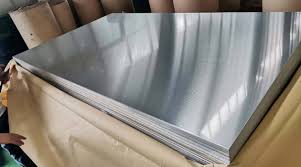
Aluminum sheets are flat-rolled products made from aluminum metal, widely used in construction, manufacturing, transportation, packaging, and industrial fabrication. They are valued for being lightweight, corrosion-resistant, durable, and easy to form into different shapes.
Aluminum sheets are one of the most commonly used semi-finished aluminum products in modern industry.
Definition of Aluminum Sheets
Aluminum sheets are flat pieces of aluminum produced by rolling aluminum ingots or slabs into thin, uniform thicknesses. They can be further cut, stamped, bent, or fabricated into finished products.
A common industrial-grade form of aluminum sheet material is: Aluminum Sheet
Types of Aluminum Sheets
1. Plain Aluminum Sheets
Smooth surface
Used in general fabrication and construction
2. Anodized Aluminum Sheets
Electrochemically treated for extra protection
Resistant to corrosion and scratches
3. Embossed Aluminum Sheets
Textured surface patterns
Used for decorative and anti-slip applications
4. Painted / Coated Aluminum Sheets
Coated with protective paint or polyester layers
Used in roofing and wall cladding
5. Aluminum Alloy Sheets
Mixed with magnesium, silicon, or copper
Stronger and more durable than pure aluminum
Physical and Mechanical Characteristics of Aluminum Sheets
Aluminum sheets typically have:
Lightweight structure
High corrosion resistance (natural oxide layer)
Good thermal and electrical conductivity
Smooth or textured surface finish
High formability and flexibility
Non-magnetic properties
Long service life
Manufacturing Process of Aluminum Sheets
1. Bauxite Mining
Aluminum production begins with extraction of bauxite ore.
2. Alumina Refining
Bauxite is refined into alumina (Al₂O₃).
3. Aluminum Smelting
Alumina is converted into aluminum metal using electrolysis.
4. Rolling Process
Aluminum is passed through rollers to produce thin sheets.
5. Finishing
Sheets are cut, treated, coated, or anodized depending on use.
Tabulated Specification of Aluminum Sheets
Specification
Details
Product Name
Aluminum Sheets
Base Material
Aluminum / Aluminum alloys
Shape
Flat sheet
Surface
Plain, coated, embossed, anodized
Thickness Range
Thin to medium gauge
Weight
Lightweight
Corrosion Resistance
High
Electrical Conductivity
High
Main Applications
Roofing, cladding, automotive, packaging
Recyclability
100% recyclable
Uses of Aluminum Sheets
1. Construction Industry
Roofing sheets and wall cladding
Ceiling panels and insulation layers
2. Transportation
Vehicle body panels
Aircraft structures
Train and marine components
3. Packaging Industry
Food containers and trays
Industrial packaging materials
4. Industrial Fabrication
Machine covers and enclosures
Equipment housings
5. Electrical Applications
Electrical enclosures
Heat shields and panels
Advantages of Aluminum Sheets
1. Lightweight
Easy to transport and install.
2. Corrosion Resistant
Ideal for outdoor and marine environments.
3. Highly Formable
Can be cut, bent, and shaped easily.
4. Durable
Long lifespan with minimal maintenance.
5. Recyclable
Environmentally friendly material.
Economic Importance
Aluminum sheets are important because they:
Support construction and infrastructure industries
Drive automotive and aerospace manufacturing
Enable modern packaging solutions
Reduce transportation costs due to lightweight nature
Create jobs in metal fabrication and processing
They are widely used in both industrial and commercial sectors.
Environmental Considerations
Aluminum sheet production involves:
High energy consumption in primary aluminum production
Mining impact from bauxite extraction
Emissions during smelting processes
However:
Aluminum is fully recyclable
Recycling uses significantly less energy
Long lifespan reduces replacement waste
Supports sustainable construction practices
Storage and Handling Guidelines
To maintain quality:
Store in dry, moisture-free environments
Avoid scratching or surface abrasion
Stack properly to prevent bending
Protect coated sheets from damage
Separate by thickness and grade
Conclusion
Aluminum sheets are essential industrial materials made from refined aluminum and widely used in construction, transportation, packaging, and manufacturing. The most common form, aluminum sheet Aluminum Sheet, offers a combination of lightweight strength, corrosion resistance, and versatility.
From roofing and vehicle panels to packaging and industrial equipment, aluminum sheets play a major role in modern infrastructure and manufacturing systems.
In essence, aluminum sheets are not just flat metal plates—they are a fundamental material that supports efficiency, durability, and sustainability across global industries.