
Fast delivery within 72 Hours

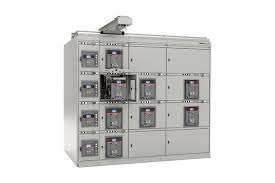
Switchgear
Contact Supplier
Supplier: ticklishmouse583Phone: +3110986585
Email: lecavoy411@fisedo.com
Address: 8648 De Veldse Hengelo Gld, Netherlands
Visit Supplier Store

Black Friday Blowout!
Description
Switchgear: Comprehensive Product Description
Introduction
Electrical power systems are the backbone of modern society, supplying electricity to homes, businesses, industries, transportation networks, and critical infrastructure. As electrical networks become more complex and power demands continue to increase, the need for reliable protection, control, and isolation of electrical equipment becomes increasingly important. This is where switchgear plays a vital role.
Switchgear is an essential component of electrical power systems, designed to control, protect, and isolate electrical circuits and equipment. It ensures the safe operation of electrical installations by detecting faults, interrupting abnormal currents, and allowing maintenance activities to be carried out safely. Without switchgear, electrical systems would be vulnerable to overloads, short circuits, equipment damage, and safety hazards that could result in costly downtime and operational disruptions.
Modern switchgear systems incorporate advanced technologies such as intelligent protection relays, digital monitoring systems, remote operation capabilities, and enhanced safety features. These innovations improve system reliability, operational efficiency, and personnel safety while supporting the growing demands of modern power distribution networks.
Available in low-voltage, medium-voltage, and high-voltage configurations, switchgear is widely used in power generation plants, substations, industrial facilities, commercial buildings, renewable energy projects, and utility networks. It serves as a critical safeguard for electrical infrastructure, ensuring uninterrupted power delivery and efficient system performance.
This comprehensive product description explores the definition, specifications, features, applications, benefits, and significance of switchgear in modern electrical systems.
Product Definition
Switchgear is a combination of electrical disconnect switches, circuit breakers, fuses, protective relays, control equipment, and associated devices used to control, protect, and isolate electrical circuits and equipment. Its primary purpose is to ensure the safe and reliable operation of electrical systems by detecting faults, interrupting abnormal current flow, and enabling maintenance activities without exposing personnel or equipment to electrical hazards.
Switchgear can be installed at various points within an electrical network, including power generation stations, substations, industrial facilities, commercial buildings, and distribution systems. Depending on the voltage level and application, switchgear may be designed for indoor or outdoor installation and can incorporate manual or automated control mechanisms.
Product Specifications
The following table presents typical specifications of modern switchgear systems. Actual specifications may vary depending on voltage class, application, and manufacturer.
| Specification | Description |
|---|---|
| Product Name | Electrical Switchgear |
| Function | Protection, control, and isolation of electrical systems |
| Voltage Range | Low Voltage (LV), Medium Voltage (MV), High Voltage (HV) |
| Rated Voltage | Up to 765 kV and above |
| Rated Current | 100 A – 6300 A and above |
| Frequency | 50 Hz / 60 Hz |
| Interrupting Capacity | Up to 80 kA or higher |
| Insulation Medium | Air, Vacuum, Gas (SF6), Oil |
| Circuit Breaker Type | Air, Vacuum, SF6, Oil Circuit Breakers |
| Protection Devices | Relays, Fuses, Sensors |
| Control Method | Manual or Automatic |
| Monitoring System | Digital or Intelligent Monitoring |
| Installation Type | Indoor or Outdoor |
| Enclosure Material | Steel, Stainless Steel, Aluminum |
| Protection Rating | IP Rated Enclosures |
| Communication Protocols | Modbus, IEC 61850, Ethernet |
| Operating Temperature | Suitable for varying environments |
| Safety Features | Arc protection, fault isolation, interlocking systems |
| Standards Compliance | IEC, IEEE, ANSI, ISO |
| Service Life | Typically 20–40 years |
Key Features
1. Reliable Fault Protection
Switchgear rapidly detects electrical faults such as short circuits, overloads, and earth faults, disconnecting affected circuits before damage occurs.
2. Enhanced Operational Safety
By isolating faulty equipment and enabling safe maintenance procedures, switchgear significantly reduces risks to personnel and equipment.
3. Efficient Power Distribution
Switchgear controls the flow of electricity throughout power networks, ensuring reliable and efficient energy distribution.
4. Advanced Monitoring Capabilities
Modern switchgear systems incorporate intelligent monitoring technologies that provide real-time operational data and fault diagnostics.
5. Fast Fault Interruption
High-performance circuit breakers can interrupt fault currents within milliseconds, minimizing equipment damage and service interruptions.
6. Flexible Configuration
Switchgear is available in various designs and voltage ratings, allowing customization to suit specific electrical applications.
7. Compact Design
Modern switchgear systems are designed to maximize performance while minimizing installation space requirements.
8. Remote Operation
Many switchgear systems support remote monitoring and control, improving operational efficiency and reducing maintenance costs.
9. Long-Term Reliability
Built with durable materials and advanced engineering, switchgear delivers dependable performance over extended service periods.
10. Compliance with International Standards
Switchgear is manufactured according to globally recognized standards to ensure safety, reliability, and consistent performance.
Types of Switchgear
Low Voltage Switchgear
Low-voltage switchgear is designed for systems operating at voltages up to 1,000 volts.
Characteristics:
- Compact design
- High safety levels
- Cost-effective operation
Applications:
- Residential buildings
- Commercial facilities
- Small industrial installations
Medium Voltage Switchgear
Medium-voltage switchgear typically operates between 1 kV and 36 kV.
Characteristics:
- Enhanced protection systems
- Higher fault interruption capabilities
- Reliable distribution control
Applications:
- Industrial plants
- Utility substations
- Renewable energy facilities
High Voltage Switchgear
High-voltage switchgear is used in transmission networks and large power systems.
Characteristics:
- Exceptional fault interruption capacity
- Advanced insulation technologies
- Large-scale power handling
Applications:
- Transmission substations
- Power generation facilities
- National utility grids
Air Insulated Switchgear (AIS)
AIS uses air as the primary insulation medium.
Advantages:
- Simple design
- Easy maintenance
- Cost-effective installation
Applications:
- Outdoor substations
- Industrial facilities
Gas Insulated Switchgear (GIS)
GIS uses insulating gas to provide compact and highly reliable performance.
Advantages:
- Space-saving design
- High reliability
- Reduced maintenance requirements
Applications:
- Urban substations
- Offshore facilities
- Restricted-space installations
Vacuum Switchgear
Vacuum switchgear utilizes vacuum circuit breakers for arc interruption.
Advantages:
- Long service life
- Minimal maintenance
- Environmentally friendly operation
Applications:
- Industrial facilities
- Medium-voltage systems
Applications of Switchgear
Power Generation Plants
Switchgear protects generators, transformers, and auxiliary systems while ensuring reliable electricity production.
Uses:
- Generator protection
- System isolation
- Fault management
Electrical Substations
Substations rely on switchgear for controlling and protecting transmission and distribution networks.
Benefits:
- Reliable power distribution
- Fault isolation
- Grid stability
Industrial Facilities
Industrial operations require switchgear to protect equipment and maintain continuous production processes.
Applications:
- Manufacturing plants
- Mining operations
- Oil and gas facilities
- Processing industries
Commercial Buildings
Switchgear supports safe and efficient electrical distribution in commercial environments.
Applications:
- Office buildings
- Shopping malls
- Hotels
- Hospitals
Renewable Energy Projects
Renewable energy systems utilize switchgear to manage power generation and grid integration.
Applications:
- Solar farms
- Wind farms
- Hydroelectric facilities
- Battery storage systems
Data Centers
Data centers depend on switchgear to ensure uninterrupted power supply and equipment protection.
Benefits:
- Reduced downtime
- Enhanced reliability
- Improved operational efficiency
Transportation Infrastructure
Switchgear plays a crucial role in supporting transportation systems.
Applications:
- Railway networks
- Airports
- Seaports
- Electric vehicle charging stations
Utility Distribution Networks
Utility companies use switchgear to maintain stable and reliable power delivery to consumers.
Functions:
- Load management
- Fault isolation
- Service continuity
Healthcare Facilities
Hospitals require highly reliable switchgear systems to protect critical medical equipment and emergency power systems.
Applications:
- Operating rooms
- Intensive care units
- Diagnostic facilities
- Emergency backup systems
Benefits of Switchgear
Improved System Protection
Switchgear minimizes damage caused by electrical faults and abnormal operating conditions.
Enhanced Safety
Protective mechanisms safeguard personnel, equipment, and facilities from electrical hazards.
Reliable Power Supply
Switchgear helps maintain uninterrupted electricity distribution and system stability.
Reduced Downtime
Rapid fault detection and isolation minimize service interruptions and operational losses.
Increased Equipment Lifespan
By preventing excessive electrical stress, switchgear extends the life of connected equipment.
Operational Efficiency
Advanced monitoring and automation capabilities improve system performance and management.
Scalability
Switchgear systems can be expanded or upgraded to accommodate growing electrical demands.
Long-Term Cost Savings
Reduced maintenance requirements and improved reliability contribute to lower lifecycle costs.
Maintenance Requirements
Regular maintenance is essential for ensuring safe and reliable switchgear operation.
Recommended Maintenance Activities
- Visual inspections
- Circuit breaker testing
- Relay calibration
- Contact resistance measurement
- Insulation testing
- Mechanical operation checks
- Arc protection verification
- Cleaning and lubrication
Proper maintenance reduces the risk of failures and extends equipment service life.
Environmental Considerations
Modern switchgear manufacturers focus on sustainability through:
- Energy-efficient designs
- Reduced maintenance requirements
- Environmentally friendly insulation technologies
- Lower operational losses
- Recyclable materials
These innovations support sustainable electrical infrastructure development and environmental responsibility.
Conclusion
Switchgear is a critical component of modern electrical power systems, providing essential protection, control, and isolation functions that ensure the safe and reliable operation of electrical networks. By detecting faults, interrupting abnormal currents, and enabling safe maintenance procedures, switchgear protects valuable equipment, enhances personnel safety, and supports uninterrupted power delivery.
Its widespread use across power generation plants, substations, industrial facilities, commercial buildings, renewable energy projects, transportation systems, and utility networks demonstrates its importance in maintaining efficient electrical infrastructure. Modern switchgear systems combine advanced protection technologies, intelligent monitoring capabilities, and robust engineering to deliver superior performance and long-term reliability.
As global energy demand continues to increase and electrical networks become more sophisticated, switchgear will remain an indispensable solution for ensuring safety, reliability, efficiency, and sustainability in power systems worldwide.