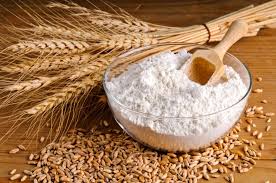
Wheat flour is one of the most widely consumed and versatile food ingredients in the world. It serves as a fundamental raw material in the production of numerous food products, including bread, cakes, pastries, biscuits, noodles, pasta, and a variety of traditional and modern baked goods. Produced by grinding carefully selected wheat grains into a fine powder, wheat flour has been a staple ingredient in human nutrition for thousands of years and remains an essential component of diets across different cultures and regions.
The popularity of wheat flour is attributed to its nutritional value, versatility, affordability, and unique baking properties. It contains carbohydrates, proteins, vitamins, minerals, and dietary fiber, making it an important source of energy and nutrition. The presence of gluten-forming proteins allows wheat flour to produce elastic doughs that can trap air and create the desired texture in baked products.
Modern milling technologies ensure that wheat flour is produced under strict quality and hygiene standards, preserving its nutritional characteristics while delivering consistent performance for both commercial and household use. Available in various grades and types, wheat flour can be tailored to specific culinary and industrial applications.
This comprehensive product description explores the definition, specifications, features, applications, benefits, storage requirements, and importance of wheat flour in the food industry and everyday cooking.
Product Definition
Wheat flour is a finely milled powder obtained by grinding cleaned and processed wheat grains. It is primarily used as a food ingredient in baking, cooking, and food manufacturing. Depending on the milling process and intended use, wheat flour may contain different proportions of the wheat kernel’s bran, germ, and endosperm.
The flour’s protein content and gluten-forming capability make it suitable for producing a wide range of food products with varying textures, structures, and nutritional profiles. Wheat flour is available in several varieties, including all-purpose flour, bread flour, cake flour, whole wheat flour, pastry flour, and self-rising flour.
As a key ingredient in the global food supply chain, wheat flour supports both household consumption and large-scale food production.
Product Specifications
The following table outlines the typical specifications of high-quality wheat flour. Actual values may vary depending on wheat variety, milling process, and product grade.
Specification
Description
Product Name
Wheat Flour
Source Material
Wheat Grain
Appearance
Fine, smooth powder
Color
White, cream, or light brown depending on type
Texture
Soft and uniform
Moisture Content
Typically 10% – 14%
Protein Content
8% – 15% depending on flour type
Gluten Content
Varies by flour category
Ash Content
According to flour grade
Shelf Life
6 – 12 months under proper storage
Packaging Options
1 kg, 5 kg, 10 kg, 25 kg, 50 kg bags
Storage Condition
Cool, dry environment
Odor
Fresh and natural wheat aroma
Taste
Mild and characteristic wheat flavor
Processing Method
Milled and refined or whole grain
Food Safety Standards
HACCP, ISO, GMP compliant
Application Areas
Baking, Cooking, Food Manufacturing
Key Features
1. High Versatility
Wheat flour can be used in a wide range of recipes and food products, making it one of the most versatile ingredients in the food industry.
2. Excellent Baking Performance
The gluten-forming proteins present in wheat flour contribute to dough elasticity, structure, and volume, resulting in high-quality baked goods.
3. Nutritional Value
Wheat flour provides carbohydrates, proteins, vitamins, minerals, and dietary fiber that contribute to a balanced diet.
4. Consistent Quality
Modern milling processes ensure uniform particle size, texture, and performance for reliable cooking and baking results.
5. Easy Handling
The fine texture and stable characteristics of wheat flour make it easy to mix, knead, and process.
6. Wide Product Compatibility
Wheat flour can be combined with other ingredients to produce numerous food products with different textures and flavors.
7. Long Shelf Life
When stored correctly, wheat flour maintains its quality and usability for extended periods.
8. Cost-Effective Ingredient
As a widely available agricultural product, wheat flour offers excellent value for both consumers and manufacturers.
9. Multiple Flour Grades
Different flour types are available to meet specific baking and cooking requirements.
10. Global Acceptance
Wheat flour is universally recognized and utilized across a wide range of cuisines and food cultures.
Types of Wheat Flour
All-Purpose Flour
A versatile flour suitable for various baking and cooking applications.
Characteristics:
Moderate protein content
Multi-purpose functionality
Balanced texture
Uses:
Bread
Cakes
Cookies
Pastries
Bread Flour
Bread flour contains higher protein levels for stronger gluten development.
Characteristics:
High protein content
Improved dough elasticity
Better loaf volume
Uses:
Bread
Pizza dough
Rolls
Artisan baking
Cake Flour
Cake flour is finely milled and contains lower protein levels.
Characteristics:
Soft texture
Light crumb structure
Fine consistency
Uses:
Cakes
Cupcakes
Sponge cakes
Whole Wheat Flour
Produced using the entire wheat kernel, including bran and germ.
Characteristics:
Higher fiber content
Rich nutritional profile
Distinct flavor
Uses:
Whole wheat bread
Healthy baked products
Traditional recipes
Pastry Flour
Pastry flour provides a balance between cake flour and all-purpose flour.
Characteristics:
Moderate protein content
Tender texture
Easy handling
Uses:
Pastries
Pie crusts
Biscuits
Self-Rising Flour
Contains added leavening agents and salt.
Characteristics:
Convenient preparation
Consistent rising performance
Time-saving
Uses:
Quick breads
Biscuits
Pancakes
Uses of Wheat Flour
Bread Production
Wheat flour is the primary ingredient in most bread products worldwide.
Products:
White bread
Whole wheat bread
Baguettes
Rolls
Bakery Products
Bakeries rely heavily on wheat flour for producing a variety of baked goods.
Products:
Cakes
Muffins
Cookies
Doughnuts
Pasta and Noodles
Specialized wheat flour varieties are used in pasta and noodle manufacturing.
Applications:
Spaghetti
Macaroni
Instant noodles
Traditional noodles
Confectionery Industry
Wheat flour contributes structure and texture to many confectionery products.
Products:
Biscuits
Crackers
Wafers
Pastries
Household Cooking
Wheat flour is commonly used in home kitchens for everyday cooking and baking.
Applications:
Pancakes
Dumplings
Gravies
Coatings and batters
Food Manufacturing
Large-scale food producers use wheat flour as a key ingredient in processed foods.
Applications:
Frozen foods
Snack products
Ready-to-eat meals
Breakfast products
Traditional Foods
Many cultural and regional foods depend on wheat flour as a primary ingredient.
Examples:
Flatbreads
Chapati
Tortillas
Local baked specialties
Benefits of Wheat Flour
Excellent Energy Source
Wheat flour provides carbohydrates that supply energy for daily activities.
Supports Food Production
It serves as a foundational ingredient in countless food products worldwide.
Versatile Ingredient
Its adaptability makes it suitable for diverse culinary applications.
Affordable and Accessible
Wheat flour is widely available and cost-effective for consumers and manufacturers.
Nutritional Contribution
It contains essential nutrients that support overall dietary needs.
Improves Food Texture
Wheat flour contributes structure, softness, elasticity, and consistency to food products.
Long Storage Stability
Properly stored flour remains usable for extended periods.
Compatible with Various Recipes
It can be used alone or blended with other ingredients to create unique products.
Storage Recommendations
Proper storage is essential to maintain freshness and quality.
Recommended Storage Practices
Store in a cool, dry place
Keep away from direct sunlight
Use airtight containers after opening
Protect from moisture and pests
Follow first-in, first-out inventory practices
Monitor storage temperature and humidity
These measures help preserve flavor, texture, and shelf life.
Quality Assurance and Safety
High-quality wheat flour is produced under strict food safety and quality control systems.
Quality Measures
Grain selection and cleaning
Controlled milling processes
Moisture monitoring
Laboratory testing
Contaminant screening
Hygienic packaging
These procedures ensure product consistency, safety, and compliance with industry standards.
Conclusion
Wheat flour remains one of the most important and widely used food ingredients in the world, serving as the foundation for countless bakery products, traditional foods, processed foods, and household recipes. Its versatility, nutritional value, affordability, and excellent baking characteristics make it indispensable to both consumers and food manufacturers.
Modern milling technologies and quality assurance practices ensure that wheat flour consistently delivers reliable performance, safety, and nutritional benefits. Available in a variety of grades and formulations, it can meet the specific requirements of different culinary, commercial, and industrial applications.
As global demand for nutritious, convenient, and high-quality food products continues to grow, wheat flour will remain a cornerstone of the food industry, supporting sustainable food production and contributing to the dietary needs of millions of people worldwide.