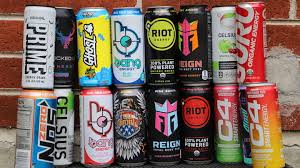
Energy drinks are non-alcoholic functional beverages formulated to increase mental alertness, physical performance, and overall energy levels. They typically contain a combination of stimulants, carbohydrates, vitamins, amino acids, and other functional ingredients such as caffeine, taurine, guarana extract, ginseng, and B-complex vitamins. These components work together to temporarily reduce fatigue and enhance focus and stamina.
Energy drinks are designed for individuals who require a quick boost of energy during physically demanding activities, long working hours, studying, sports, or travel. They are available in carbonated and non-carbonated forms and come in a variety of flavors, packaging sizes, and formulations.
Introduction
Energy drinks have become one of the fastest-growing segments in the global beverage industry due to increasing demand for instant energy, improved concentration, and enhanced physical performance. Originally developed as specialized performance beverages for athletes and individuals with high energy demands, energy drinks have now expanded into mainstream consumption.
Modern lifestyles characterized by busy schedules, reduced sleep, academic pressure, and demanding physical activity have contributed significantly to the popularity of energy drinks. These beverages are widely consumed by students, professionals, drivers, athletes, gamers, and shift workers who require sustained alertness and reduced fatigue.
The formulation of energy drinks is based on scientifically studied ingredients that stimulate the central nervous system. Caffeine remains the primary active ingredient, known for improving focus and reducing tiredness. Additional components such as taurine, guarana, and B vitamins help support energy metabolism and cognitive performance.
Energy drinks are available in a wide range of flavors such as citrus, berry, tropical fruit, cola-style, and mixed blends. Manufacturers also produce sugar-free and low-calorie versions to meet health-conscious consumer demands.
Today, energy drinks are sold globally in supermarkets, convenience stores, gyms, vending machines, and online platforms, making them one of the most accessible functional beverages in the market.
Product Specifications
Specification Parameter
Description
Product Name
Energy Drinks
Product Category
Functional Non-Alcoholic Beverage
Main Ingredients
Water, caffeine, sugars or sweeteners
Active Components
Taurine, guarana extract, ginseng, caffeine, B vitamins
Product Type
Ready-to-Drink Functional Beverage
Appearance
Clear or colored liquid
Taste
Sweet, tangy, or fruit-flavored with stimulant profile
Aroma
Fruity or citrus-based depending on formulation
Carbonation
Usually carbonated, but non-carbonated versions exist
Easily found in retail stores and vending machines.
Variety of Options
Available in multiple flavors and formulations.
Performance Support
Helps improve focus and physical endurance temporarily.
Portability
Compact packaging makes them easy to carry anywhere.
Quality Considerations
To ensure safe and effective energy drinks, manufacturers focus on:
Accurate caffeine dosage control
Safe ingredient sourcing
Hygienic production processes
Flavor consistency
Carbonation control
Shelf stability testing
Compliance with food safety regulations
Proper labeling of stimulant content
Market Demand and Consumer Trends
The energy drink industry continues to grow rapidly due to modern lifestyle demands. Key trends include:
Sugar-free and low-calorie energy drinks
Natural caffeine sources (green tea, guarana)
Functional beverages with added vitamins
Clean-label formulations
Gaming and performance-focused energy drinks
Eco-friendly packaging innovations
Reduced caffeine variants for broader consumption
Consumers increasingly seek energy drinks that balance performance benefits with health awareness, driving innovation in formulation and branding.
Conclusion
Energy drinks are powerful functional beverages designed to provide quick energy, improved focus, and enhanced physical performance. With their combination of caffeine, vitamins, and stimulating compounds, they serve a wide range of consumers including students, athletes, professionals, and travelers.
Their versatility, convenience, and rapid effect have made them a major category in the global beverage market. As consumer preferences shift toward healthier and more transparent formulations, energy drinks continue to evolve with sugar-free options, natural ingredients, and improved nutritional profiles.
Overall, energy drinks remain a highly influential and fast-growing product category that supports modern lifestyles requiring energy, alertness, and endurance.