Bread is one of the oldest and most widely consumed food products in human history. Serving as a staple food in countless cultures around the world, bread has played a significant role in nutrition, culinary traditions, and food security for thousands of years. Made primarily from flour, water, yeast, and other ingredients, bread is valued for its versatility, affordability, nutritional benefits, and ability to complement a wide variety of meals.
Today, bread is produced in numerous forms, flavors, textures, and formulations to meet the diverse preferences of consumers. From traditional artisan loaves and sandwich bread to specialty products such as whole grain, multigrain, sourdough, and gluten-free bread, the product continues to evolve in response to changing dietary habits and consumer demands.
Modern baking technology has enabled large-scale production while maintaining quality, consistency, and safety standards. Bread is consumed daily in homes, restaurants, hotels, schools, hospitals, bakeries, and food service establishments, making it one of the most important food products in the global market. Its convenience, nutritional value, and adaptability ensure its continued popularity across all age groups and cultures.
Product Definition
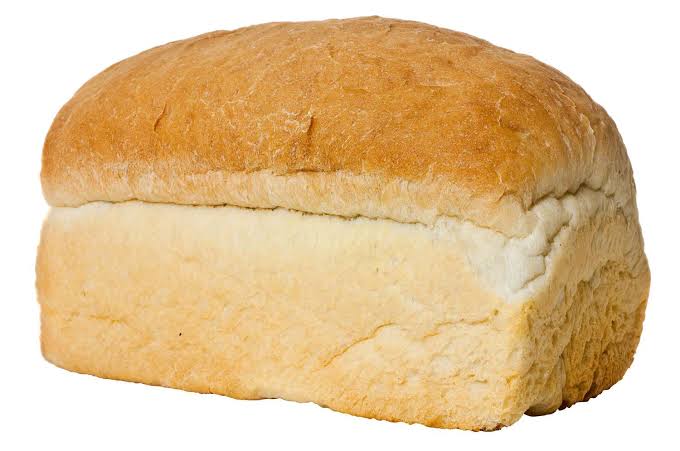
Bread is a baked food product primarily made from flour, water, yeast, and salt, which are mixed to form dough, fermented, shaped, and baked under controlled conditions. Depending on the recipe and production method, additional ingredients such as sugar, fats, seeds, grains, milk, eggs, fruits, herbs, and flavorings may be incorporated to enhance taste, texture, appearance, and nutritional value.
Bread can be produced in various forms, including loaves, rolls, buns, flatbreads, baguettes, and specialty baked products. It serves as a staple source of carbohydrates and energy while providing essential nutrients such as dietary fiber, vitamins, and minerals. Manufactured under strict food safety and quality standards, bread remains a fundamental component of diets worldwide.
Product Specifications
Parameter
Specification
Product Name
Bread
Product Type
Baked Food Product
Physical Form
Loaf, Roll, Bun, Flatbread, Specialty Shapes
Color
White, Brown, Golden, or Multigrain Depending on Ingredients
Taste
Mild, Slightly Sweet, Savory, or Specialty Flavored
Aroma
Freshly Baked Characteristic Aroma
Main Ingredients
Flour, Water, Yeast, Salt
Additional Ingredients
Sugar, Fats, Seeds, Grains, Milk, Eggs
Processing Method
Mixing, Fermentation, Shaping, Baking
Texture
Soft, Chewy, Crusty, or Dense Depending on Variety
Shelf Life
Typically 3–14 Days Depending on Product Type
Packaging Type
Plastic Bags, Paper Bags, Cartons, Specialty Packaging
Storage Condition
Store in a Cool, Dry Place
Nutritional Value
Source of Carbohydrates, Fiber, Vitamins, and Minerals
Quality Grade
Commercial, Premium, Artisan Grade
Target Consumers
Households, Restaurants, Hotels, Food Service Providers
Food Safety Compliance
HACCP, GMP, and Applicable Food Standards
Availability
Retail, Wholesale, Bakery, Food Service Markets
Key Features of Bread
1. Staple Food Product
Bread is one of the most widely consumed staple foods globally and serves as an essential part of daily diets in many cultures.
2. Nutritional Value
Bread provides carbohydrates for energy and may also contribute dietary fiber, vitamins, and minerals depending on its ingredients.
3. Versatility
Bread can be consumed independently or used as an ingredient in numerous culinary preparations.
4. Wide Product Variety
Bread is available in numerous forms, including:
White Bread
Whole Wheat Bread
Multigrain Bread
Sourdough Bread
Rye Bread
Brioche
Baguette
Flatbread
Ciabatta
Bagels
Burger Buns
Hot Dog Buns
Gluten-Free Bread
Seeded Bread
Artisan Bread
5. Convenience
Bread is ready to eat and requires little or no preparation before consumption.
6. Universal Appeal
Bread is enjoyed by consumers of all ages and forms a key component of many traditional and modern cuisines.
Production and Manufacturing Process
Ingredient Selection
High-quality flour and other ingredients are selected according to product specifications and recipe requirements.
Mixing
Ingredients are combined to form a homogeneous dough with the desired consistency.
Fermentation
Yeast fermentation allows the dough to rise, improving flavor, texture, and volume.
Kneading
The dough is kneaded to develop gluten structure, which contributes to elasticity and texture.
Dividing and Shaping
The dough is divided into portions and shaped according to the desired product type.
Proofing
The shaped dough undergoes a final proofing stage to achieve optimal volume and texture.
Baking
Products are baked under controlled temperature and humidity conditions to develop crust color, aroma, and internal structure.
Cooling
After baking, bread is cooled to stabilize texture and prevent condensation during packaging.
Packaging
The finished product is packaged to maintain freshness and protect against contamination.
Distribution
Bread is distributed through retail outlets, bakeries, supermarkets, and food service channels.
Nutritional Value of Bread
Bread contributes several important nutrients to the diet.
Carbohydrates
Bread is a primary source of carbohydrates, providing energy for daily activities and bodily functions.
Dietary Fiber
Whole grain and multigrain breads provide dietary fiber that supports digestive health and promotes satiety.
Protein
Bread contains moderate amounts of plant-based protein derived from flour and grain ingredients.
Vitamins
Bread may provide:
Vitamin B1 (Thiamine)
Vitamin B2 (Riboflavin)
Vitamin B3 (Niacin)
Folic Acid
Vitamin B6
Minerals
Common minerals found in bread include:
Iron
Magnesium
Phosphorus
Zinc
Potassium
Low Fat Content
Many bread varieties are naturally low in fat, making them suitable for balanced diets.
Uses of Bread
Household Consumption
Bread is commonly consumed as part of breakfast, lunch, dinner, and snacks.
Sandwich Preparation
Bread serves as the primary ingredient for sandwiches, wraps, and filled bakery products.
Restaurant and Hotel Food Service
Restaurants and hotels use bread as side dishes, appetizers, and meal accompaniments.
Bakery Products
Bread serves as the foundation for numerous baked goods and specialty products.
Catering Services
Caterers utilize bread in large-scale meal preparation and event food service.
Institutional Food Programs
Schools, hospitals, universities, and corporate cafeterias frequently include bread in meal plans.
Food Processing Industry
Bread is used in the production of:
Breadcrumbs
Croutons
Stuffing Mixes
Frozen Sandwiches
Prepared Meals
Culinary Applications
Bread is highly versatile and suitable for numerous culinary uses.
Toasting
Bread can be toasted to enhance flavor and texture.
Sandwiches
Various bread types are used for hot and cold sandwiches.
Breakfast Meals
Bread is commonly served with spreads, eggs, dairy products, and fruits.
Soups and Salads
Bread accompanies soups, stews, and salads as a side item or ingredient.
Desserts
Certain bread varieties are used in puddings, sweet pastries, and dessert recipes.
Appetizers
Bread serves as the base for bruschetta, garlic bread, canapés, and other appetizers.
Benefits of Bread
Readily Available Energy
Bread provides carbohydrates that support daily energy requirements.
Affordability
Bread is generally economical and accessible to consumers across different income levels.
Convenience
Ready-to-eat formats make bread highly convenient for modern lifestyles.
Nutritional Contribution
Fortified and whole grain breads contribute valuable nutrients to balanced diets.
Versatility
Bread complements a wide range of foods and meal occasions.
Consumer Acceptance
Its familiar taste and widespread availability make bread one of the most universally accepted food products.
Packaging and Storage
Bread is packaged to preserve freshness, texture, and quality.
Common packaging formats include:
Plastic Bags
Paper Bags
Vacuum Packaging
Resealable Bags
Specialty Bakery Packaging
Recommended storage conditions include:
Cool and dry environment
Protection from direct sunlight
Proper sealing after opening
Compliance with shelf-life recommendations
For extended storage, bread may be refrigerated or frozen according to product specifications.
Market Demand and Consumer Appeal
The global bread market remains one of the largest segments of the food industry due to bread’s status as a staple food. Increasing urbanization, population growth, and changing dietary patterns continue to drive demand across domestic and international markets.
Consumers seek bread products that offer convenience, nutrition, freshness, and variety. The growing popularity of whole grains, artisan baking, organic ingredients, and specialty diets has led to increased innovation within the bread industry. Manufacturers continue to develop products with improved nutritional profiles, unique flavors, and enhanced shelf stability to meet evolving consumer expectations.
Retailers, bakeries, food service operators, and institutional buyers value bread for its versatility, consistent demand, and broad market appeal.
Conclusion
Bread is one of the world’s most essential and widely consumed food products, valued for its versatility, affordability, nutritional benefits, and convenience. Produced from carefully selected ingredients and advanced baking processes, bread serves as a staple source of energy and nourishment for millions of people worldwide. Its diverse varieties, extensive culinary applications, and universal acceptance make it suitable for households, restaurants, hotels, catering services, bakeries, and food manufacturers. As consumer preferences continue to evolve, bread remains a fundamental and indispensable component of the global food industry, maintaining its importance as a reliable, nutritious, and versatile food product.