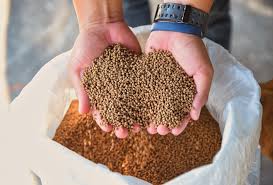
Roasted Peanuts – Premium Nutritious Snack for Food, Retail, and Industrial Applications
Introduction
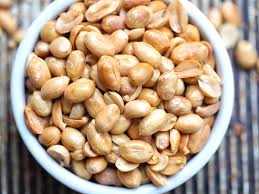
Roasted Peanuts are among the most widely consumed snack products in the world, valued for their rich flavor, crunchy texture, high nutritional content, and broad culinary applications. Produced from carefully selected groundnuts that are cleaned, roasted, and processed under controlled conditions, roasted peanuts have become popular snack foods across households, restaurants, retail markets, food industries, and international trade sectors.
Scientifically derived from the peanut plant (Arachis hypogaea), roasted peanuts belong to the legume family but are commonly classified and consumed as nuts due to their taste and nutritional profile. Roasting enhances the natural flavor, aroma, texture, and shelf stability of peanuts, making them more appealing to consumers while preserving much of their nutritional value.
Roasted peanuts are highly appreciated because of their rich composition of plant-based protein, healthy fats, dietary fiber, vitamins, minerals, and antioxidants. They provide substantial energy and essential nutrients, making them suitable for balanced diets, healthy snacking, and nutritional food formulations. Their affordability and accessibility also contribute significantly to their popularity worldwide.
The versatility of roasted peanuts supports their widespread use in numerous food products and culinary applications. They can be consumed directly as snacks or incorporated into confectioneries, bakery products, sauces, desserts, snack mixes, peanut butter, breakfast cereals, and processed foods. Roasted peanuts are also commonly flavored with salt, spices, honey, chocolate, and seasonings to meet varying consumer preferences.
The global demand for roasted peanuts continues to grow due to rising interest in convenient snacks, plant-based nutrition, protein-rich foods, and healthy eating lifestyles. Food manufacturers increasingly use roasted peanuts in snack bars, protein blends, confectioneries, and packaged ready-to-eat products.
Modern roasted peanut production involves careful raw material selection, cleaning, grading, roasting, cooling, flavoring, packaging, and strict quality control procedures to ensure premium product quality and food safety. Proper moisture control and hygienic processing help maintain freshness, crunchiness, flavor consistency, and long shelf life.
In addition to retail consumption, roasted peanuts support agricultural economies and international food trade. Peanuts are widely cultivated in many tropical and subtropical regions, contributing significantly to farmer incomes, food security, and agro-industrial development.
Today, roasted peanuts remain essential snack products for households, retailers, wholesalers, exporters, and food manufacturers worldwide. Their nutritional richness, convenience, affordability, and versatility continue to strengthen their position in global food markets.
Product Definition
Roasted peanuts are processed edible peanut kernels obtained from mature groundnuts (Arachis hypogaea) that have been cleaned, roasted, and packaged for human consumption and food processing applications. They are nutrient-rich snack products valued for their crunchy texture, roasted flavor, protein content, and versatility in culinary and industrial food applications.
Roasted peanuts may be supplied as plain, salted, flavored, coated, shelled, or packaged snack products depending on consumer demand and industrial applications.
Product Features
1. Rich Plant-Based Protein Source
Roasted peanuts contain substantial protein important for balanced nutrition and energy supply.
2. Crunchy Texture and Rich Flavor
Roasting enhances the natural taste, aroma, and texture of peanuts.
3. Nutrient-Dense Composition
They contain healthy fats, fiber, vitamins, minerals, and antioxidants beneficial for healthy living.
4. Convenient Ready-to-Eat Snack
Roasted peanuts require no additional preparation and are suitable for immediate consumption.
5. Versatile Food Applications
The product is suitable for snacks, confectioneries, bakery products, sauces, and processed foods.
6. Long Shelf Stability
Proper roasting and packaging improve freshness and storage life.
Tabulated Product Specifications
| Parameter |
Specification |
| Product Name |
Roasted Peanuts |
| Scientific Name |
Arachis hypogaea |
| Product Type |
Processed Nut Snack |
| Raw Material |
Peanut Kernels |
| Color |
Golden Brown |
| Texture |
Crunchy |
| Flavor |
Nutty / Roasted |
| Moisture Content |
Maximum 3% |
| Purity |
99% Minimum |
| Protein Content |
24% – 30% |
| Fat Content |
45% – 50% |
| Carbohydrate Content |
10% – 20% |
| Fiber Content |
5% – 10% |
| Shelf Life |
6 – 12 Months |
| Packaging |
Pouches / Vacuum Packs / Bulk |
| Packaging Sizes |
100g, 250g, 500g, 1kg, 25kg |
| Storage Condition |
Cool and Dry Place |
| Main Applications |
Snacks and Food Processing |
| Quality Grade |
Premium Food Grade |
| Origin |
Farm Cultivated and Processed |
Nutritional Composition
Roasted peanuts provide essential nutrients required for energy production and healthy living.
Protein
Roasted peanuts are rich in plant-based protein important for muscle maintenance and tissue repair.
Healthy Fats
The product contains beneficial unsaturated fats that contribute to energy supply and balanced nutrition.
Carbohydrates
Roasted peanuts provide carbohydrates that support daily energy needs.
Dietary Fiber
Fiber supports digestive health and improved metabolism.
Vitamins
Roasted peanuts contain vitamins such as:
- Vitamin E
- Vitamin B Complex
- Niacin
- Folate
Minerals
Important minerals naturally present in roasted peanuts include:
- Magnesium
- Phosphorus
- Potassium
- Zinc
- Iron
- Calcium
Antioxidants
Roasted peanuts contain antioxidants that support overall wellness and cellular protection.
Uses of Roasted Peanuts
1. Direct Human Consumption
Roasted peanuts are widely consumed as ready-to-eat snack products.
Common Snack Applications
- Salted peanuts
- Flavored peanuts
- Cocktail snacks
- Party snacks
- Travel snacks
Their crunchy texture and rich flavor make them highly popular among consumers.
2. Food Processing Industry
Roasted peanuts are used in numerous processed food products.
Processed Food Applications
- Peanut butter
- Snack bars
- Breakfast cereals
- Confectioneries
- Chocolate products
- Ice cream toppings
3. Bakery Industry
Roasted peanuts are incorporated into bakery products for added flavor and texture.
Bakery Applications
- Cookies
- Cakes
- Biscuits
- Pastries
- Bread toppings
4. Culinary Applications
Roasted peanuts are used in sauces, traditional dishes, and garnishing applications.
5. Nutritional and Protein Products
The product supports health-focused and protein-enriched food formulations.
Production and Processing
The quality of roasted peanuts depends on proper raw material selection and hygienic processing methods.
Peanut Selection
High-quality mature peanuts are selected based on size, purity, and freshness.
Cleaning and Sorting
The peanuts undergo cleaning procedures to remove impurities, dust, and damaged kernels.
Roasting
The kernels are roasted under controlled temperature conditions to develop flavor and texture.
Cooling
Proper cooling helps preserve crunchiness and prevent moisture absorption.
Flavoring
Salt, spices, or coatings may be added depending on product specifications.
Packaging
The finished product is packaged hygienically to preserve freshness and shelf life.
Quality Assurance
Premium roasted peanuts undergo strict quality control procedures to ensure purity, flavor consistency, and food safety.
Quality assurance measures include:
- Selection of premium peanuts
- Hygienic processing standards
- Moisture testing
- Flavor consistency control
- Aflatoxin monitoring
- Nutritional analysis
- Packaging inspection
- Storage monitoring
- Food safety compliance verification
These procedures help maintain superior product quality and customer satisfaction.
Packaging and Storage
Roasted peanuts are packaged using moisture-resistant materials designed to preserve freshness and crunchiness.
Common packaging options include:
- Laminated pouches
- Vacuum-sealed packs
- Plastic containers
- Bulk packaging bags
Recommended storage conditions include:
- Cool and dry environment
- Protection from moisture
- Low humidity
- Airtight packaging
- Proper ventilation
- Avoidance of direct sunlight
Proper storage practices help maintain flavor, texture, and shelf stability.
Advantages of Roasted Peanuts
Excellent Nutritional Value
Roasted peanuts provide proteins, healthy fats, vitamins, and minerals essential for healthy diets.
Convenient Snack Product
They are ready-to-eat and suitable for convenient daily consumption.
Broad Industrial Applications
Roasted peanuts support snack production, confectioneries, bakery products, and processed foods.
Affordable Protein Source
The product provides economical plant-based nutrition for households and food industries.
Growing Global Demand
Increasing demand for nutritious snack products continues to strengthen roasted peanut markets worldwide.
Commercial Importance
Roasted peanuts are important products in global retail, snack, and food-processing industries.
Reliable suppliers ensure:
- Consistent product quality
- Hygienic processing standards
- Competitive pricing
- Timely delivery
- Secure packaging
- Bulk supply capability
These factors contribute to strong customer confidence and successful trade relationships.
Conclusion
Roasted peanuts remain one of the most valuable processed snack products in global food markets due to their rich nutritional profile, crunchy texture, affordability, and versatility. Their high protein content, healthy fats, and broad culinary applications make them essential for snack manufacturing, food processing, and balanced nutrition.
Premium-quality roasted peanuts are carefully processed and packaged to maintain freshness, flavor consistency, texture, and nutritional integrity. From direct snacking and confectioneries to bakery products and protein-rich foods, roasted peanuts continue to support healthy nutrition, food processing industries, agricultural development, and global trade.
As worldwide demand for convenient, nutritious, and plant-based snack products continues to rise, roasted peanuts remain trusted commodities for manufacturers, wholesalers, retailers, exporters, and consumers across international markets.