Supplier: Jhaylightmusic promotions Phone: 08133196650 Email: hardamjay1234@gmail.com Address: Front of glorious British galaxy school Aba Ibeji Odo Ona kekere Visit Supplier Store
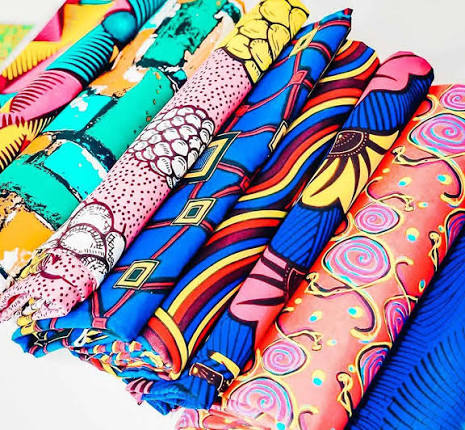
Polyester is a synthetic textile fiber made through a chemical reaction involving petroleum-derived substances, primarily ethylene glycol and terephthalic acid. The resulting polymer is melted and spun into fine fibers, which are then woven or knitted into fabric.
Unlike natural fibers such as cotton or wool, polyester is entirely man-made. It belongs to a category of materials known as synthetic polymers, which are engineered to achieve specific performance qualities like strength, durability, and resistance to environmental factors.
Today, polyester is one of the most widely produced fabrics in the world due to its low cost, versatility, and ease of maintenance.
2. Introduction to Polyester Fabric
Polyester fabric has become a cornerstone of the global textile industry. First developed in the early 20th century and commercially introduced in the 1940s, it quickly gained popularity because it solved many limitations of natural fibers.
In its early stages, polyester was marketed as a “miracle fabric” because it was strong, wrinkle-resistant, and easy to care for compared to cotton or linen. Over time, its applications expanded from fashion clothing into industrial uses, home furnishings, sportswear, and even medical textiles.
Modern advancements have significantly improved polyester’s quality. Today, it can be engineered to feel soft like cotton, stretch like elastane blends, or mimic luxurious fabrics like silk. This adaptability has made polyester an essential material in both mass production and high-performance textiles.
However, polyester also raises environmental concerns because it is non-biodegradable and derived from fossil fuels. This has led to innovations such as recycled polyester (rPET), which is produced from plastic bottles and textile waste.
Polyester is widely used in everyday clothing because of its durability and easy-care properties. It is commonly found in:
T-shirts and shirts
Dresses and skirts
Sportswear and activewear
Jackets and outerwear
School and work uniforms
Its ability to retain shape and resist wrinkles makes it ideal for garments that require frequent washing and minimal ironing.
4.2 Sportswear and Performance Wear
One of polyester’s strongest applications is in athletic clothing. It is favored because:
It dries quickly after sweating
It is lightweight and flexible
It maintains structure during movement
This makes it ideal for jerseys, tracksuits, gym wear, and outdoor gear.
4.3 Home Furnishings
Polyester is commonly used in household textiles such as:
Curtains
Bedsheets and pillowcases
Upholstery fabric for sofas and chairs
Carpets and rugs
Its durability ensures long-term use even in high-traffic home environments.
4.4 Industrial Applications
Beyond fashion and home use, polyester plays a major role in industry:
Conveyor belts
Safety harnesses
Ropes and cords
Filter fabrics
Packaging materials
Its strength and resistance to environmental damage make it suitable for demanding conditions.
4.5 Blended Fabrics
Polyester is often blended with natural fibers to improve fabric performance:
Polyester + cotton → softer, stronger, less wrinkling
Polyester + wool → improved durability and shape retention
Polyester + spandex → stretchable clothing
These blends combine the best qualities of both materials.
5. Advantages of Polyester Fabric
Highly durable and long-lasting
Resistant to wrinkles and shrinking
Quick-drying and moisture-resistant
Lightweight and versatile
Low maintenance and easy to wash
Cost-effective for mass production
6. Limitations of Polyester Fabric
Poor breathability compared to natural fibers
Can trap heat and feel uncomfortable in hot weather
Derived from non-renewable petroleum resources
Not biodegradable (environmental concern)
Can retain odors if not properly washed
Sensitive to high heat (can melt or deform)
7. Conclusion
Polyester fabric is one of the most important innovations in modern textile engineering. Its strength, durability, and versatility have made it a dominant material in global clothing, home furnishings, and industrial applications.
While it offers many practical benefits such as affordability, easy maintenance, and performance efficiency, it also comes with environmental challenges due to its synthetic nature. However, the rise of recycled polyester and sustainable manufacturing practices is helping to reduce its ecological impact.
Overall, polyester remains a highly functional and adaptable fabric that continues to shape the future of textiles, balancing performance needs with ongoing improvements in sustainability.