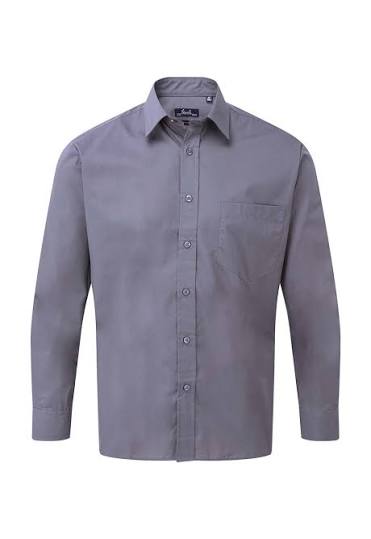
A shirt is a structured upper-body garment typically made from woven fabric, designed with a collar, front opening (placket), sleeves, and cuffs. Shirts are commonly fastened using buttons, although some variations use zippers or pull-over designs.
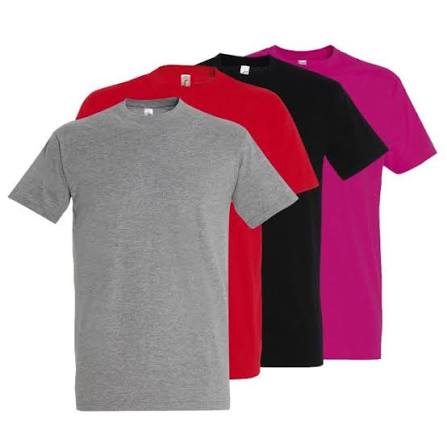
Unlike casual garments such as T-shirts, shirts are generally more structured and formal in appearance. They are widely used in professional, ceremonial, and casual settings depending on their design, fabric, and styling.
Shirts can be made from a wide range of materials including cotton, polyester, linen, silk, and blended fabrics, making them suitable for different climates and occasions.
—
2. INTRODUCTION TO SHIRTS
Shirts are one of the most important garments in global fashion and have a long history dating back centuries. Originally, shirts were used as undergarments worn beneath coats and jackets. Over time, they evolved into outerwear and became a central piece of both men’s and women’s wardrobes.
Today, shirts are worn across formal, semi-formal, and casual environments. They are a key component of office wear, school uniforms, business attire, and fashion styling.
Modern shirt design has evolved significantly, offering a wide variety of fits such as slim fit, regular fit, relaxed fit, and oversized styles. Shirts are also available in numerous patterns, including plain, striped, checked, printed, and embroidered designs.
The versatility of shirts makes them a universal garment that adapts to culture, climate, and fashion trends.
—
3. TABULATED SPECIFICATION OF SHIRTS
| SPECIFICATION CATEGORY | DETAILS |
|————————|———|
| Garment Type | Woven upper-body clothing |
| Fabric Type | Cotton, polyester, linen, silk, blends |
| Structure | Collared, button-down front, sleeves with cuffs |
| Sleeve Types | Long sleeve, short sleeve, half sleeve |
| Fit Types | Slim fit, regular fit, relaxed fit, oversized |
| Collar Types | Point collar, spread collar, mandarin collar, button-down |
| Closure Type | Buttons, occasionally zippers |
| Breathability | High (depends on fabric type) |
| Durability | High for cotton and blends |
| Moisture Absorption | High for cotton, low for polyester |
| Ironing Requirement | Medium to high (especially cotton shirts) |
| Care Instructions | Machine wash or dry clean depending on fabric |
| Common Uses | Formal wear, office wear, casual wear, uniforms |
—
4. TYPES OF SHIRTS
4.1 FORMAL SHIRTS
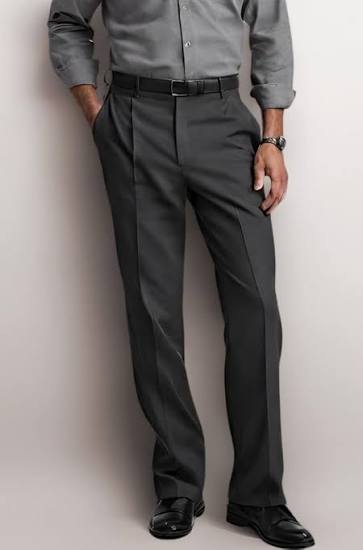
Formal shirts are designed for business, office, and ceremonial wear. They are usually plain or lightly patterned and paired with suits or trousers.
4.2 CASUAL SHIRTS
Casual shirts are relaxed in design and may include prints, checks, or denim styles. They are worn in informal settings.
4.3 DRESS SHIRTS
Dress shirts are high-quality formal shirts often worn with suits for professional or special occasions.
4.4 LINEN SHIRTS
Made from linen fabric, these shirts are lightweight and breathable, ideal for hot climates.
4.5 DENIM SHIRTS
Denim shirts are durable and casual, often used in street fashion and rugged styling.
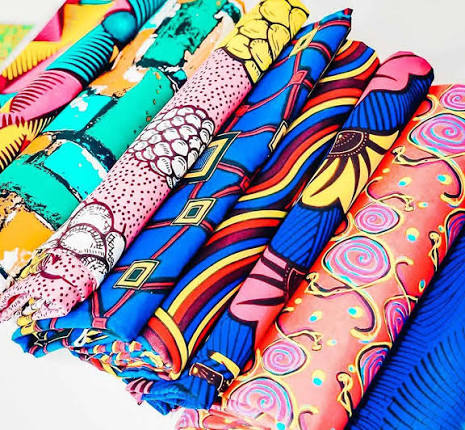
4.6 PRINTED SHIRTS
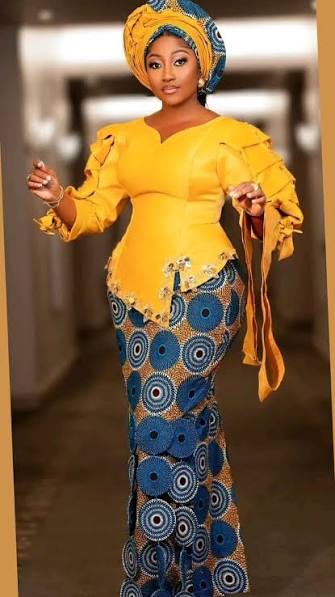
These shirts feature patterns, graphics, or artistic designs and are commonly used in fashion trends.
—
5. MATERIALS USED IN SHIRTS
– Cotton (most common and breathable)
– Polyester (durable and wrinkle-resistant)
– Linen (lightweight and cool for hot weather)
– Silk (luxury and smooth texture)
– Cotton-poly blends (balanced comfort and durability)
– Denim fabric (heavy-duty casual shirts)
—
6. MANUFACTURING PROCESS OF SHIRTS
1. Fabric selection (based on design purpose)
2. Pattern making and grading
3. Fabric cutting into components
4. Stitching of panels (body, sleeves, collar, cuffs)
5. Button and accessory attachment
6. Finishing and ironing
7. Quality inspection
8. Packaging and distribution
—
7. USES OF SHIRTS
7.1 FORMAL WEAR
Shirts are widely used in offices, corporate environments, and formal events.
7.2 CASUAL WEAR
Casual shirts are worn for everyday fashion and comfort.
7.3 UNIFORMS
Shirts are commonly used in school uniforms, hospitality uniforms, and organizational dress codes.
7.4 FASHION INDUSTRY
Shirts play a major role in fashion trends, designer collections, and streetwear styling.
7.5 CEREMONIAL OCCASIONS
Shirts are often worn during weddings, meetings, and formal gatherings.
—
8. ADVANTAGES OF SHIRTS
– Suitable for formal and casual use
– Wide variety of styles and designs
– Comfortable and breathable (depending on fabric)
– Enhances professional appearance
– Durable and long-lasting
– Easy to pair with other clothing items
—
9. LIMITATIONS OF SHIRTS
– Requires ironing for a neat appearance
– Can wrinkle easily (especially cotton shirts)
– Some fabrics may feel stiff or less flexible
– Formal shirts may not be suitable for physical activity
– Higher maintenance compared to T-shirts
—
10. CONCLUSION
Shirts are a fundamental part of global clothing culture, combining functionality, style, and professionalism. Their structured design makes them ideal for formal and semi-formal wear, while modern variations allow them to fit into casual fashion as well.
With diverse materials, styles, and designs available, shirts continue to evolve to meet the needs of different lifestyles and climates. They remain an essential garment in both traditional and modern wardrobes, symbolizing elegance, discipline, and versatility.