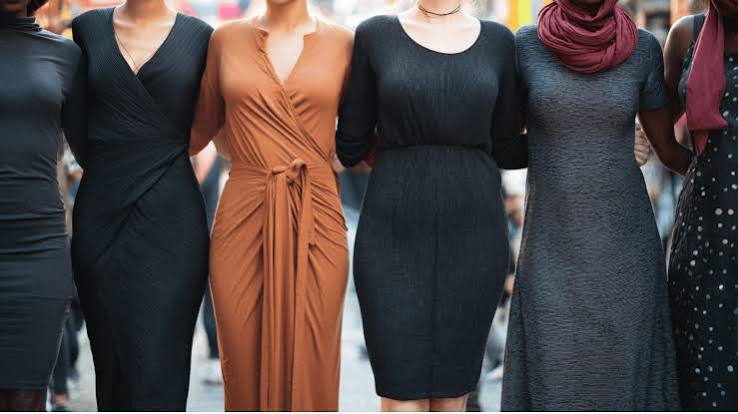
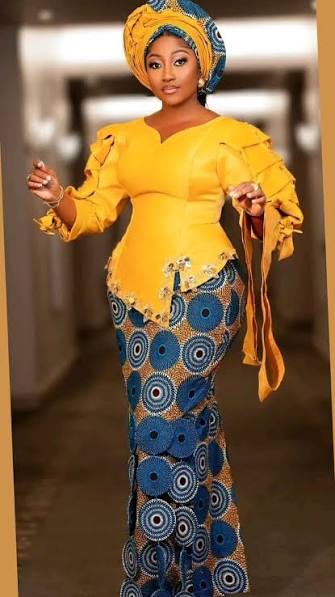
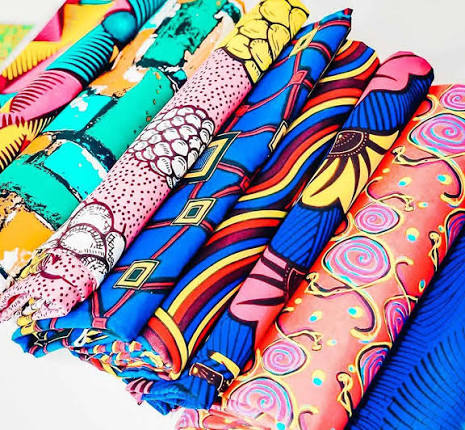
A dress is a one-piece garment designed to cover the body, typically extending from the shoulders to a length anywhere between the thighs and the ankles. Dresses are traditionally worn by women and girls, although modern fashion also includes gender-neutral and men’s dress-inspired styles in some cultures and fashion movements.
Unlike two-piece outfits such as shirts and trousers, a dress is a single integrated garment, making it simple to wear while offering a wide range of style possibilities. Dresses can be made from woven or knitted fabrics and are designed in numerous silhouettes, cuts, and lengths.
—
2. INTRODUCTION TO DRESSES
Dresses are one of the oldest forms of clothing in human history, evolving from simple draped garments in ancient civilizations to highly sophisticated fashion pieces in modern times. Across centuries, dresses have reflected cultural identity, social status, climate, and fashion trends.
In contemporary fashion, dresses are an essential wardrobe item used for casual wear, formal occasions, professional settings, and ceremonial events. Their versatility allows designers to experiment with fabrics, patterns, cuts, and embellishments.
Dresses also play an important role in the global fashion industry, influencing seasonal trends and cultural expression. From minimalist everyday dresses to elaborate evening gowns, they remain central to both personal style and haute couture.
—
3. TABULATED SPECIFICATION OF DRESSES
| SPECIFICATION CATEGORY | DETAILS |
|————————|———|
| Garment Type | One-piece full or partial body clothing |
| Fabric Types | Cotton, silk, chiffon, polyester, lace, linen, blends |
| Length Variations | Mini, midi, maxi, floor-length |
| Fit Types | Bodycon, A-line, fit-and-flare, loose, wrap |
| Necklines | Round, V-neck, square, off-shoulder, halter |
| Sleeve Types | Sleeveless, short sleeve, long sleeve, puff sleeve |
| Closure Types | Zippers, buttons, elastic, wrap tie |
| Breathability | High (depends on fabric choice) |
| Comfort Level | High, lightweight, easy to wear |
| Occasion Types | Casual, formal, party, bridal, workwear |
| Care Instructions | Hand wash or machine wash (fabric dependent) |
—
4. TYPES OF DRESSES
4.1 CASUAL DRESSES
Casual dresses are simple, comfortable outfits made from lightweight fabrics like cotton or jersey. They are ideal for everyday wear, shopping, or relaxed outings.
4.2 FORMAL DRESSES
Formal dresses are elegant garments designed for professional or ceremonial events. They often use structured fabrics and refined cuts.
4.3 EVENING AND PARTY DRESSES
These dresses are designed for social events and celebrations. They may include embellishments, sequins, satin fabrics, or bold designs.
4.4 MAXI DRESSES
Maxi dresses are long, flowing dresses that reach the ankles or floor. They are popular for both casual and semi-formal occasions.
4.5 MINI AND MIDI DRESSES
Mini dresses are short and trendy, while midi dresses fall between the knee and ankle, offering a balanced elegant look.
4.6 BODYCON DRESSES
Bodycon dresses are tight-fitting garments designed to contour the body shape, often used for parties and fashion events.
4.7 WRAP DRESSES
Wrap dresses are adjustable garments that wrap around the body and tie at the waist, offering comfort and flexibility.
—
5. MATERIALS USED IN DRESSES
– Cotton (breathable and everyday wear)
– Silk (luxurious and smooth texture)
– Chiffon (lightweight and flowy)
– Polyester (durable and wrinkle-resistant)
– Linen (cool and ideal for hot climates)
– Lace (decorative and elegant)
– Satin (shiny and formal appearance)
– Blended fabrics (comfort and durability balance)
—
6. MANUFACTURING PROCESS OF DRESSES
1. Fabric selection based on design purpose
2. Pattern creation and sizing
3. Fabric cutting into panels
4. Stitching of bodice, skirt, and sleeves
5. Attachment of zippers, buttons, or ties
6. Adding decorative elements (lace, embroidery, prints)
7. Finishing and pressing
8. Quality inspection and packaging
—
7. USES OF DRESSES
7.1 CASUAL WEAR
Dresses are commonly worn for daily comfort and relaxed fashion.
7.2 FORMAL EVENTS
Used in offices, meetings, and professional environments depending on design.
7.3 PARTIES AND CELEBRATIONS
Elegant dresses are worn for birthdays, weddings, and social gatherings.
7.4 CULTURAL AND TRADITIONAL EVENTS
Many cultures use dresses as part of traditional attire and ceremonies.
7.5 FASHION AND RUNWAY INDUSTRY
Dresses are central to fashion design, seasonal collections, and haute couture.
—
8. ADVANTAGES OF DRESSES
– Easy one-piece outfit
– Wide variety of styles and designs
– Suitable for multiple occasions
– Comfortable and breathable
– Enhances elegance and appearance
– Easy to style with accessories
—
9. LIMITATIONS OF DRESSES
– Limited practicality in some work environments
– Some styles may restrict movement
– Requires careful selection for weather conditions
– Certain fabrics wrinkle easily
– Not always suitable for physical activities
—
10. CONCLUSION
Dresses remain one of the most versatile and expressive garments in global fashion. Their long history and continuous evolution show their importance in both cultural and modern clothing systems.
With endless variations in fabric, length, fit, and design, dresses can suit almost any occasion—from casual daily wear to high-end formal events. They continue to represent elegance, creativity, and individuality in the fashion world.
As textile technology advances, dresses are becoming more comfortable, sustainable, and innovative, ensuring their continued relevance in future fashion trends.